Thomas Paine described the Constitution as “not a thing in name only; but in fact . . . . It is the body of elements, to which you can refer, and quote article by article; and which contains . . . every thing that relates to the complete organization of a civil government, and the principles on which it shall act, and by which it shall be bound.” Paine, Rights of Man, Foner, ed., Writings of Paine, I, 278.
In the earliest years of the American Republic, individuals like James Madison, Samuel Williams, Charles Pinckney, and Samuel Langdon concluded that no country had created a better model for representative government than America’s. See Gordon Wood, The Creation of the American Republic: 1776-1787, 596.
The political theory that emerged from the Revolution and the debates surrounding the Constitution was not “a matter of deliberation as it was a matter of necessity.” Gordon Wood, The Creation of the American Republic: 1776-1787, 593.
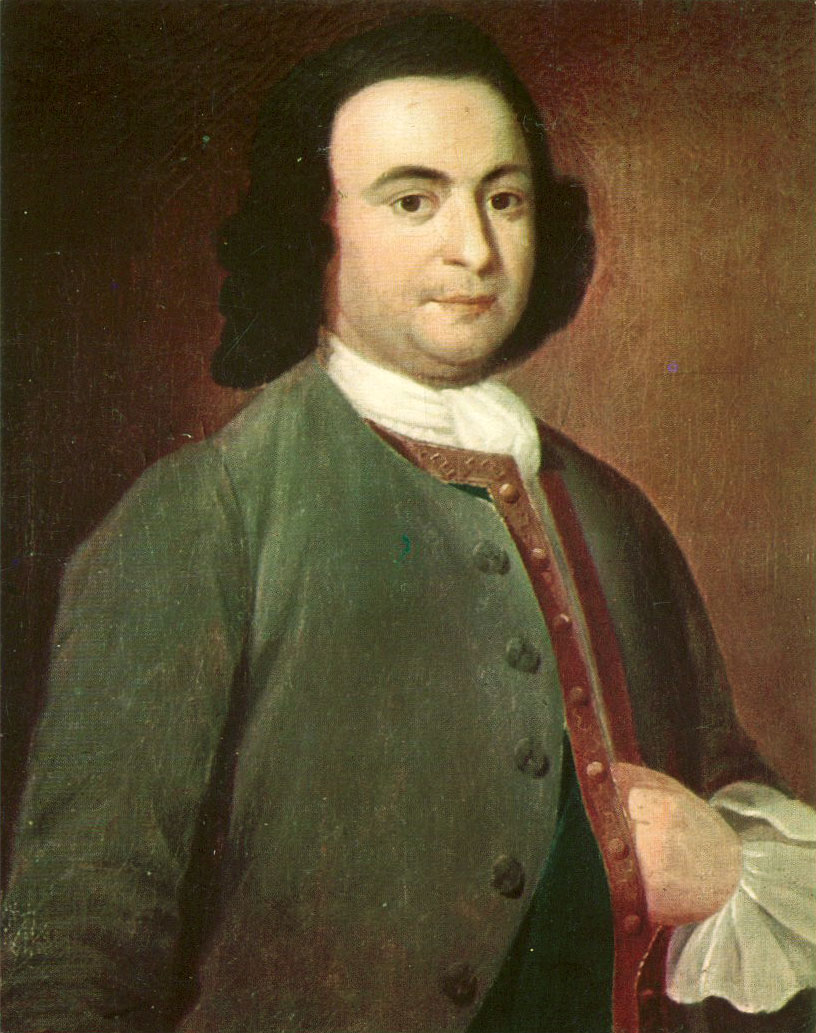
A bill of rights was not contemplated at the Constitutional Convention, until George Mason mentioned it in the last days of the Convention. Every state ruled it out. Rufus King, however, suggested that “as the fundamental rights of individuals are secured by express provisions in the State Constitutions; why may not a like security be provided for the Rights of the States in the National Constitution?” Gordon Wood, The Creation of the American Republic: 1776-1787, 536 quoting Farrand, ed., Records of the Federal Convention, II, 375-76, 378-79, I, 492-93.
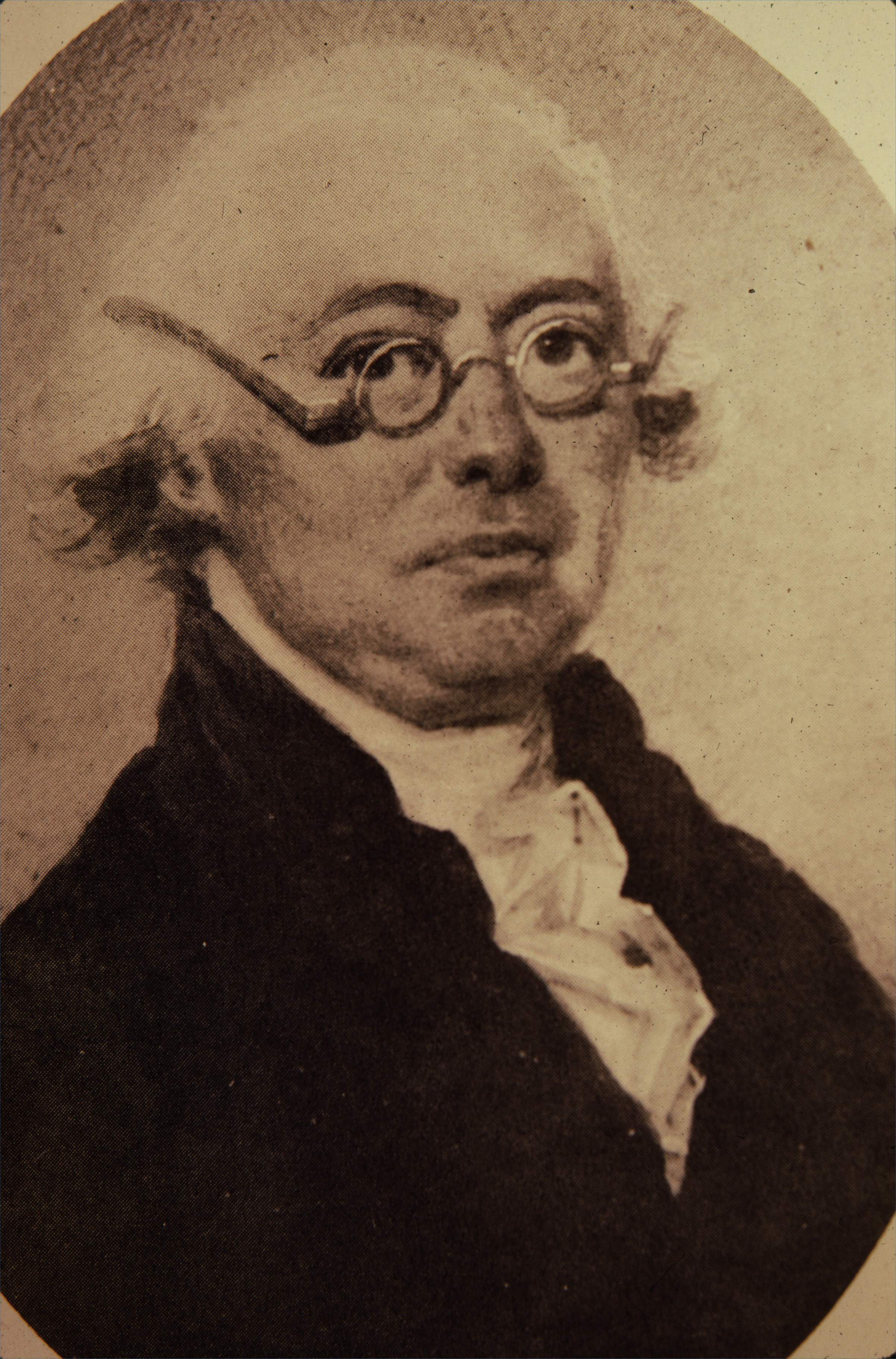
James Wilson, as Associate Justice of the Supreme Court. By: Robert S. Susan, after Leopold G. Seyffert, after Max Rosenthal.
Capturing the spirit of the Declaration of Independence, the Constitution was expressing “the inherent and unalienable right of the people” to determine their system of government. Gordon Wood, The Creation of the American Republic: 1776-1787, 535 quoting Wilson, in McMaster and Stone, eds., Pennsylvania and the Federal Constitution, 317.
Coming out of the Philadelphia Convention, many Americans had different perspectives about what had transpired and how effective the Constitution could be as a governing document.
While an upper house of state legislatures was desirable to some, as explained in The Birth of the Senate, it also had its detractors. Those detractors argued that it was a mere redundancy, wholly irrelevant to the founding of a stable government. In taking that position, the detractors ignored many of the benefits of having a second house in the legislature.
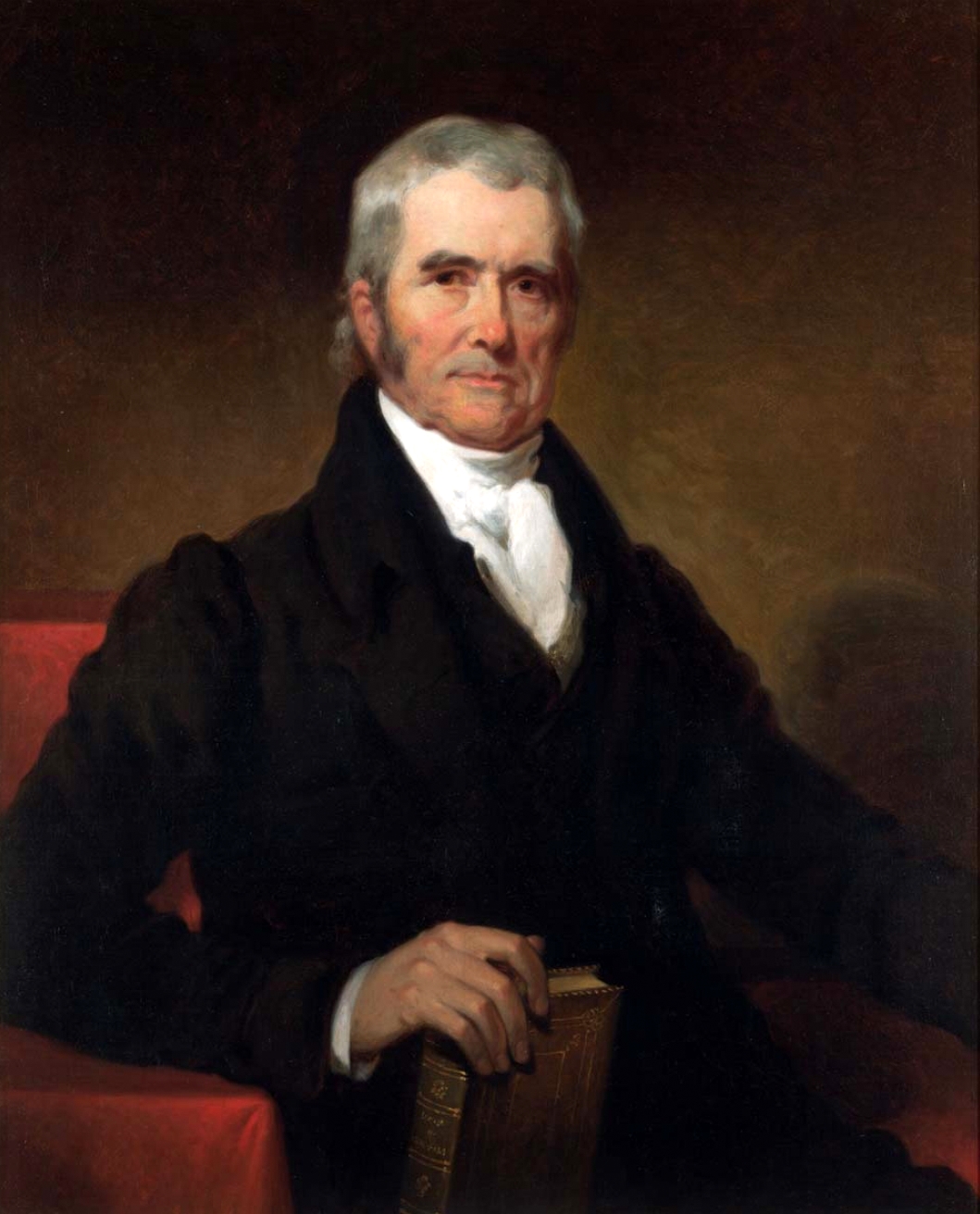
John Marshall, the fourth Chief Justice of the United States Supreme Court. By: Henry Inman.
In the first years of the American Republic, there were drastic changes in the law. The importance and organization of laws were coming into place. At the top were constitutional rights, which, as James Cannon explained “must be protected and defended ‘as the apple of your eye’ from danger ‘or they will be lost forever.’” Gordon Wood, The Creation of the American Republic: 1776-1787, 293 quoting James Cannon, “Cassandra,” Apr. 1776, Force, ed., American Archives, 4th Ser., V, 1094, quoting from Hulme, Historical Essay, 143-44. Cannon continued, stating that constitutional rights must be set “on a foundation never more to be shaken,” meaning that constitutional rights “must be specified and written down in immutable documents. Id.



 Last Best Hope of Earth