Tag: John Calhoun

  • The Compromise of 1850

    henry_clay_senate3
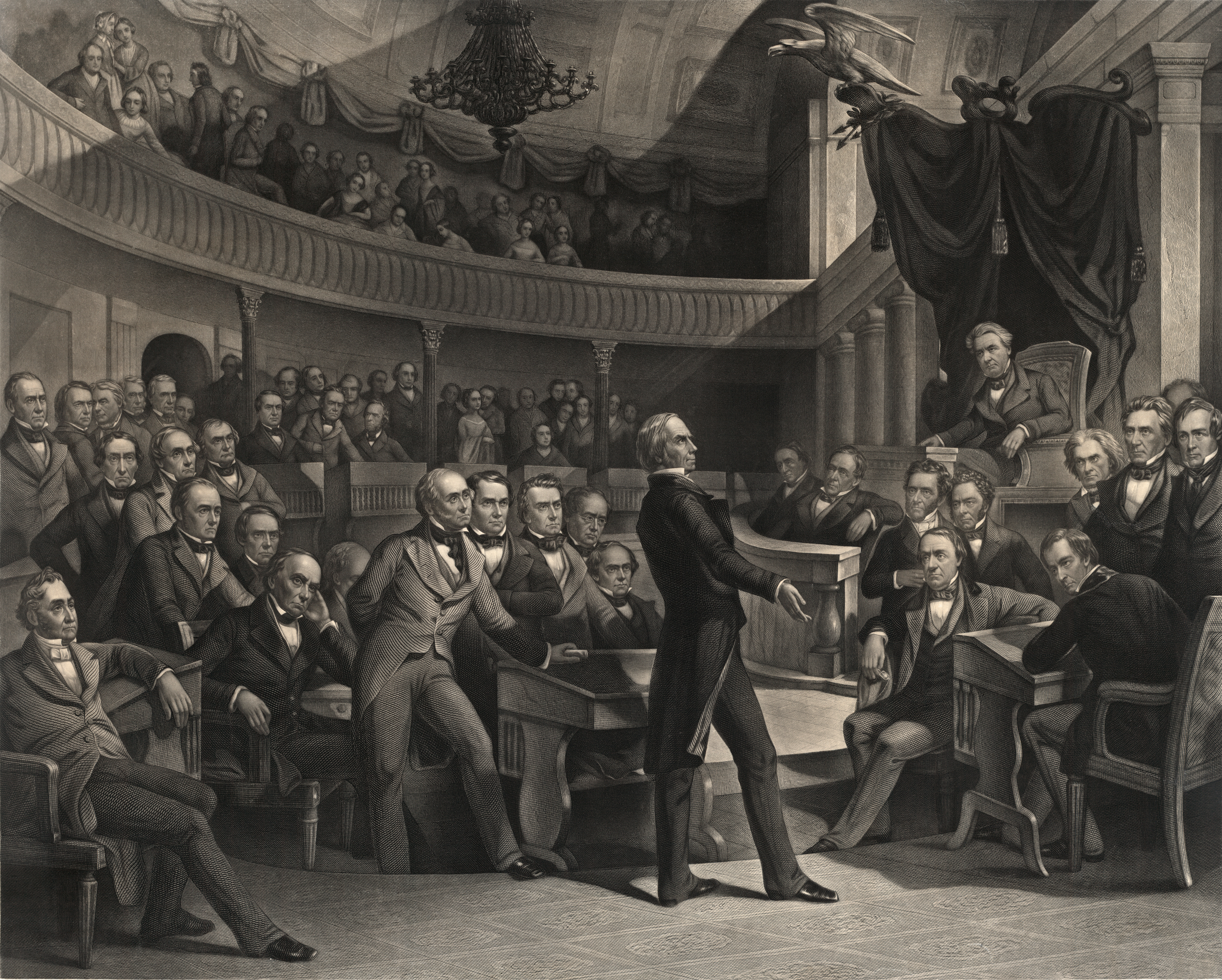
    “United States Senate, A.D. 1850.” By: Peter F. Rothermel.

    Upon President Zachary Taylor taking office, he sent a message to Congress deploring the sectionalism that was pervading the country. See David Potter, The Impending Crisis: America Before the Civil War, 1848-1861, 91. He looked to George Washington’s warnings against “characterizing parties by geographical discriminations,” which appeared by 1849 to be a prescient warning. Id. citing James D. Richardson, ed., A Compilation of the Messages and Papers of the Presidents (11 vols.; New York, 1907), V, 9-24. President Taylor offered hope for northerners and those Americans who wanted to preserve the Union with his vow: “Whatever dangers may threaten it [the Union] I shall stand by it and maintain it in its integrity.” David Potter, The Impending Crisis: America Before the Civil War, 1848-1861, 91 citing James D. Richardson, ed., A Compilation of the Messages and Papers of the Presidents (11 vols.; New York, 1907), V, 9-24. (more…)
  • A Deadlocked and Destructive Congress

    oneofive
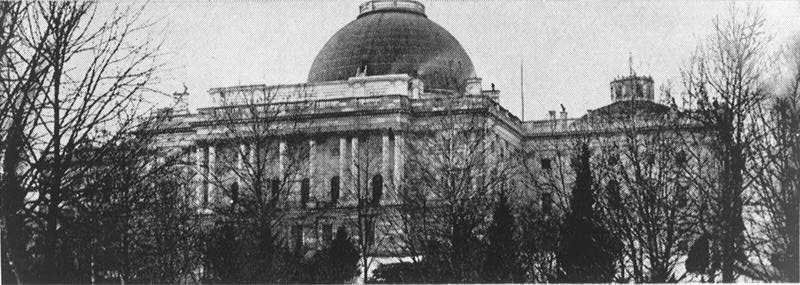
    The United States Capitol in 1848. Unknown Photographer, credit Library of Congress.

    During President James Polk’s administration, Congress grappled with resolving sectional tension arising out of whether slavery would be extended to newly acquired land from Mexico as well as the Oregon territory. Congress did not resolve that sectional tension but exacerbated it in what may have been one of the most deadlocked and destructive Congresses in American history. (more…)

  • The Theories of Slavery

    a89cbad2a1dccb130f3199e02ae7de2c
    Trout Fishing in Sullivan County, New York. By: Henry Inman.

    In the 15 years leading up to the Civil War, a wide variety of theories emerged for how the federal government should deal with slavery expanding, or not expanding, into the territories acquired by the United States.

    (more…)

  • America in 1848

    154
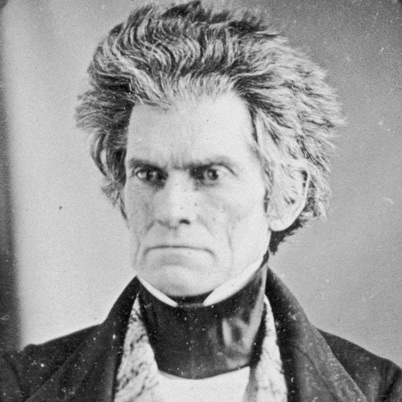
    John Calhoun.

    In 1848, when word spread to America that a revolution was breaking out in France, President James Polk wrote: “The great principles of popular sovereignty which were proclaimed in 1776 by the immortal author of our Declaration of Independence, seem now to be in the course of rapid development throughout the world.” James Knox Polk to Richard Rush, April 18, 1848, quoted in Michael Morrison, “American Reactions to European Revolutions, 1848-1852,” Civil War History 49 (June 2003): 117.

    (more…)

  • The Reception of the Mexican-American War

    hon-_garrett_davis2c_ky_-_nara_-_528757
    Garrett Davis. By: Mathew Brady.

    Following President James Polk’s announcement of war with Mexico, and Congress’ declaration of war, those in the Whig Party and those around the country had significantly different views of the war.

    (more…)

  • Election of 1844: The Conventions

    shades_polk_0002
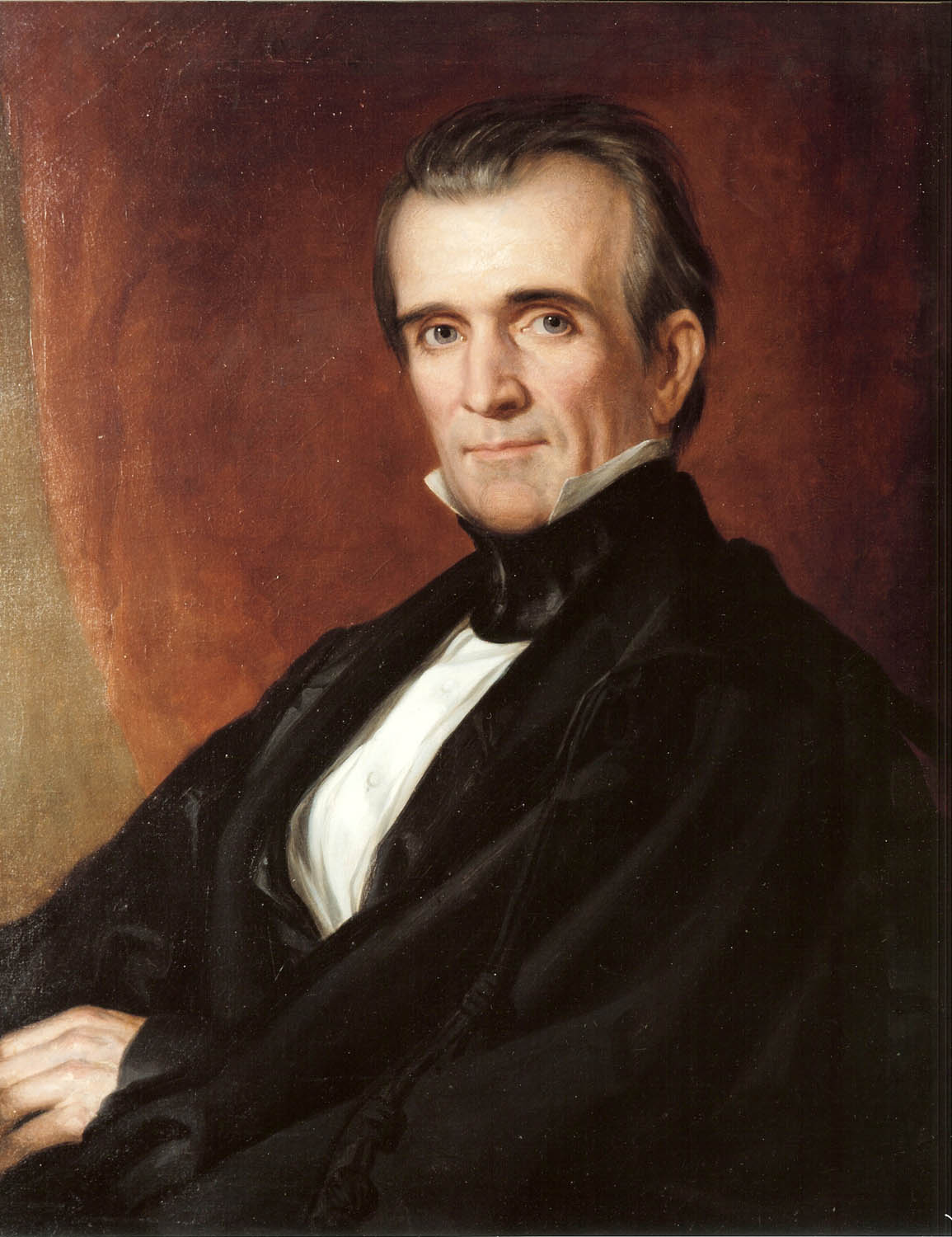
    James Knox Polk. By: George P.A. Healy.

    The Election of 1844 was one of the most momentous in American history.

    (more…)

  • The Annexation of Texas

    john-tyler
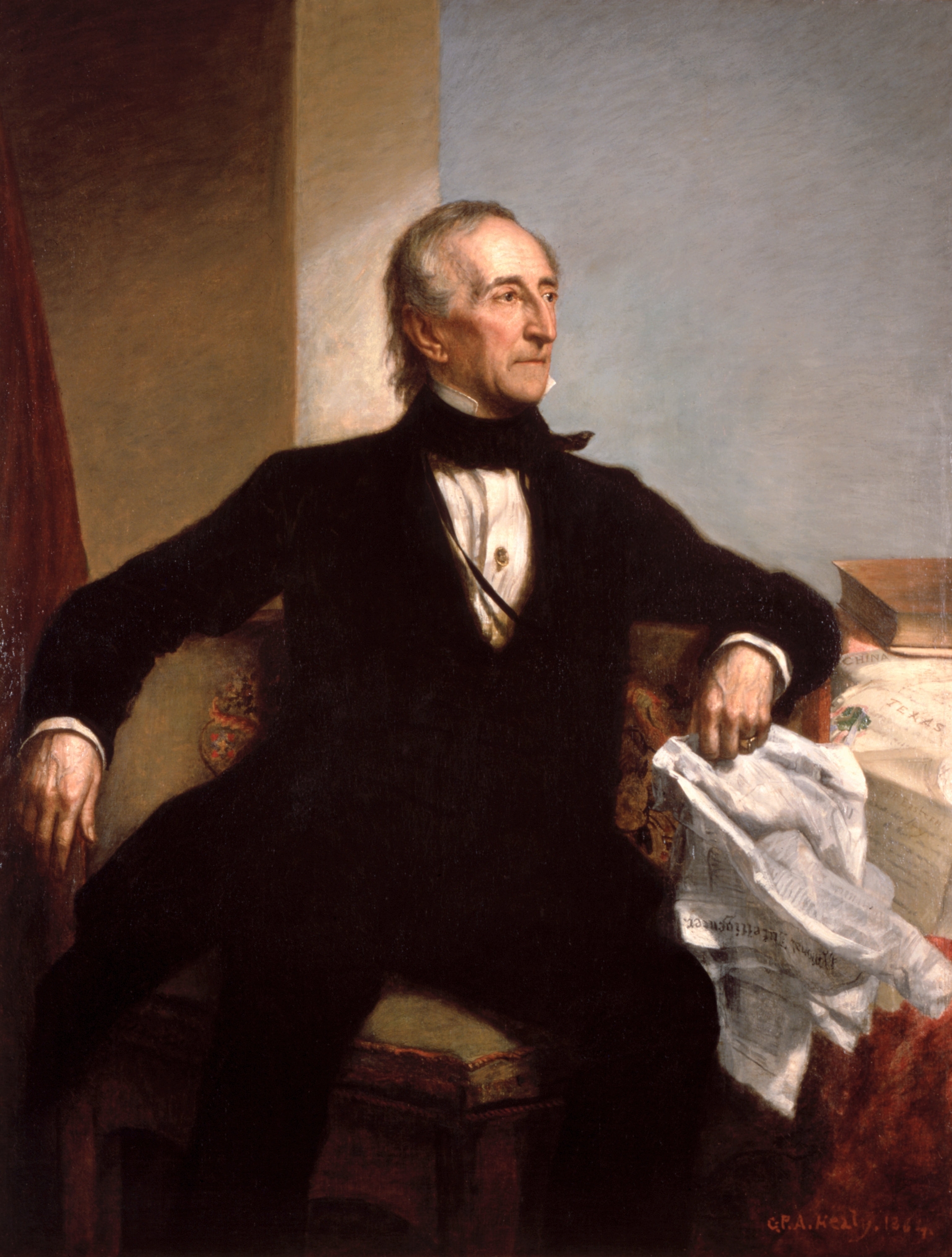
    President John Tyler.

    President John Tyler sought to achieve much success in foreign affairs during his presidency, and part of that success, he imagined, would be accomplished through expansion of the country. See Daniel Walker Howe, What Hath God Wrought: Transformation of America, 1815-1848, 677. The annexation of the Republic of Texas to be the 28th state in the Union was to be his goal.

    (more…)

  • The “Positive Good” of Slavery

    36
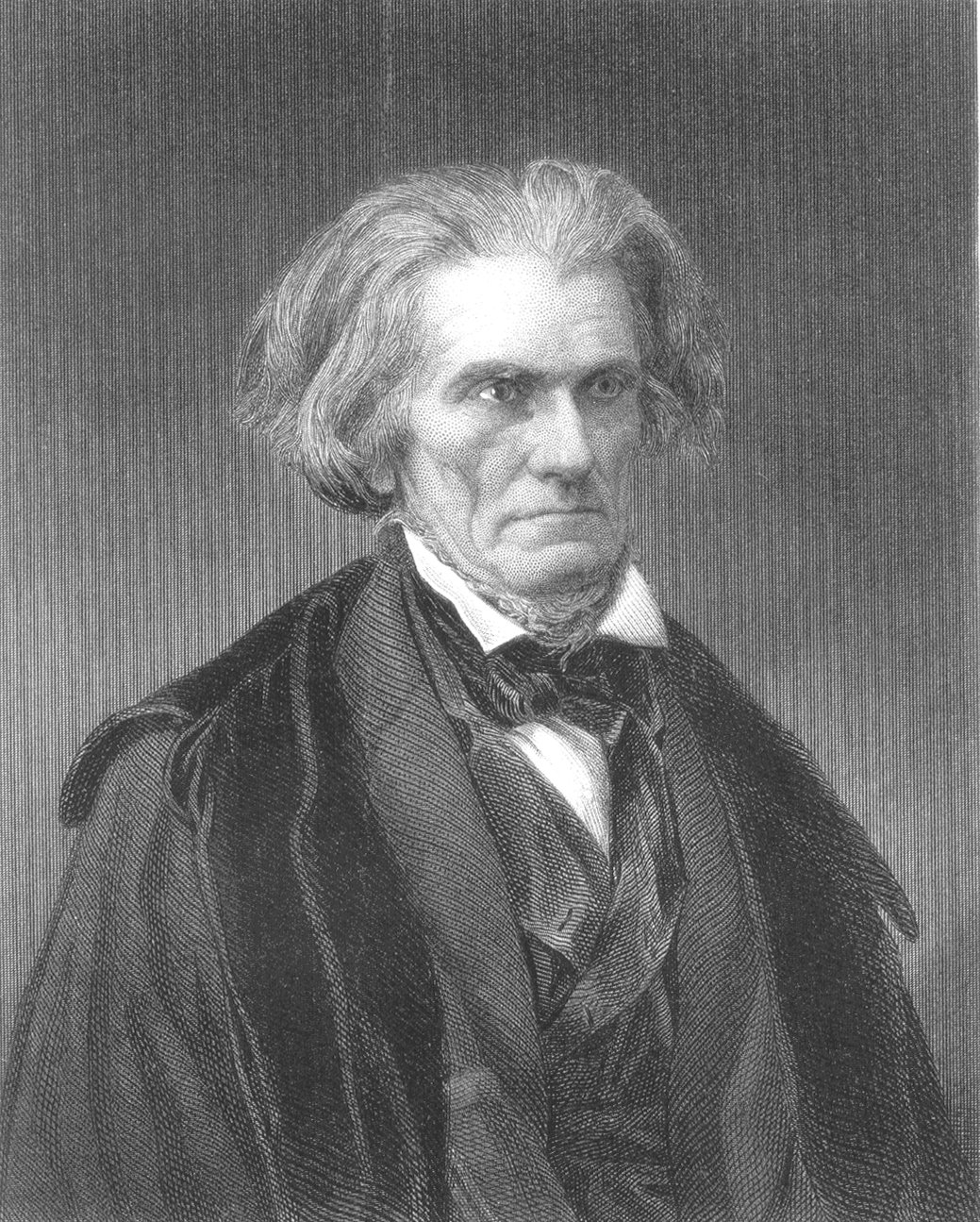
    Engraving of John C. Calhoun.

    John Calhoun, one of the staunchest supporters of states’ rights, was widely known for his view that slavery as a “positive good” in American society.

    (more…)

  • The Nullification Crisis

    edward_livingston2c_u-s-_secretary_of_state
    Edward Livingston as Secretary of State.

    John Calhoun and his like-minded supporters hoped that nullification would become a legitimate alternative to secession for the South. Nullification was the doctrine that Calhoun believed meant that states could nullify a federal law, on the basis that states had their own sovereignty and the federal government could not infringe on that sovereignty. See Daniel Walker Howe, What Hath God Wrought: Transformation of America, 1815-1848, 402. This approach was designed to primarily perpetuate the institution of slavery, without the conflict culminating in secession, or worse, civil war.

    (more…)

  • The Fort Hill Address

    Personalities AE  6
    John Calhoun.

    John Calhoun, by 1831, had alienated himself from President Andrew Jackson, and he wanted to “head off talk of secession,” and on July 26, 1831, he published his “Fort Hill Address” in a South Carolina newspaper. Daniel Walker Howe, What Hath God Wrought: Transformation of America, 1815-1848, 399.

    (more…)