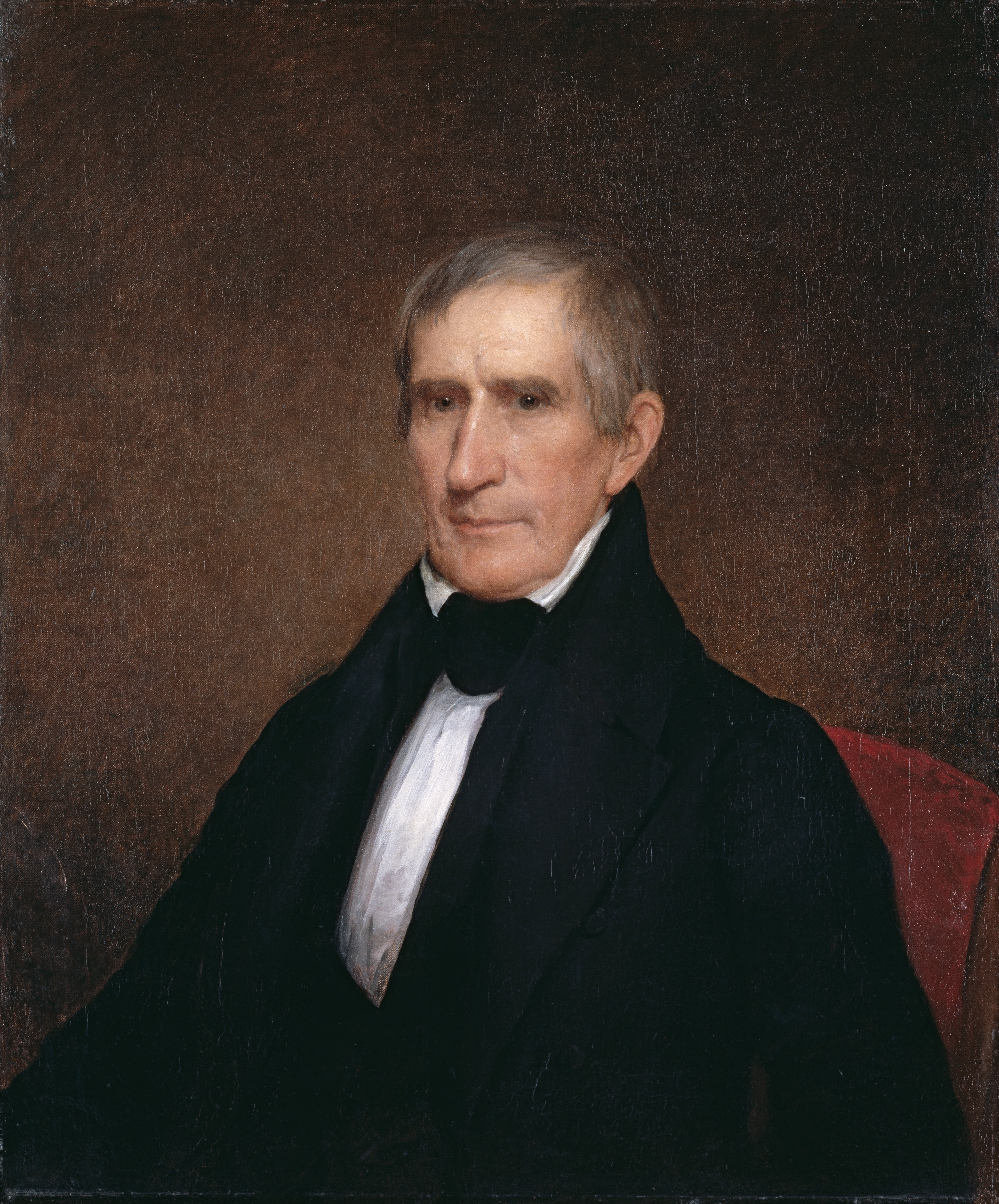
Tag: John Quincy Adams

  • The Civil War: Henry Adams to Charles Francis Adams Jr.

    The Civil War: Henry Adams to Charles Francis Adams Jr.

    December 18, 1860

    Washington, D.C., as ever, was the site of negotiations that would change the direction of the country. A month after Abraham Lincoln’s victory in the election of 1860, the national dialogue was rife with talk of secession. However, there had not yet been any state that had made good on its threats and seceded. There was even talk of ratifying an amendment to the Constitution that would protect the institution of slavery—but it would not amount to anything more than talk.

    (more…)
  • The Election of 1872

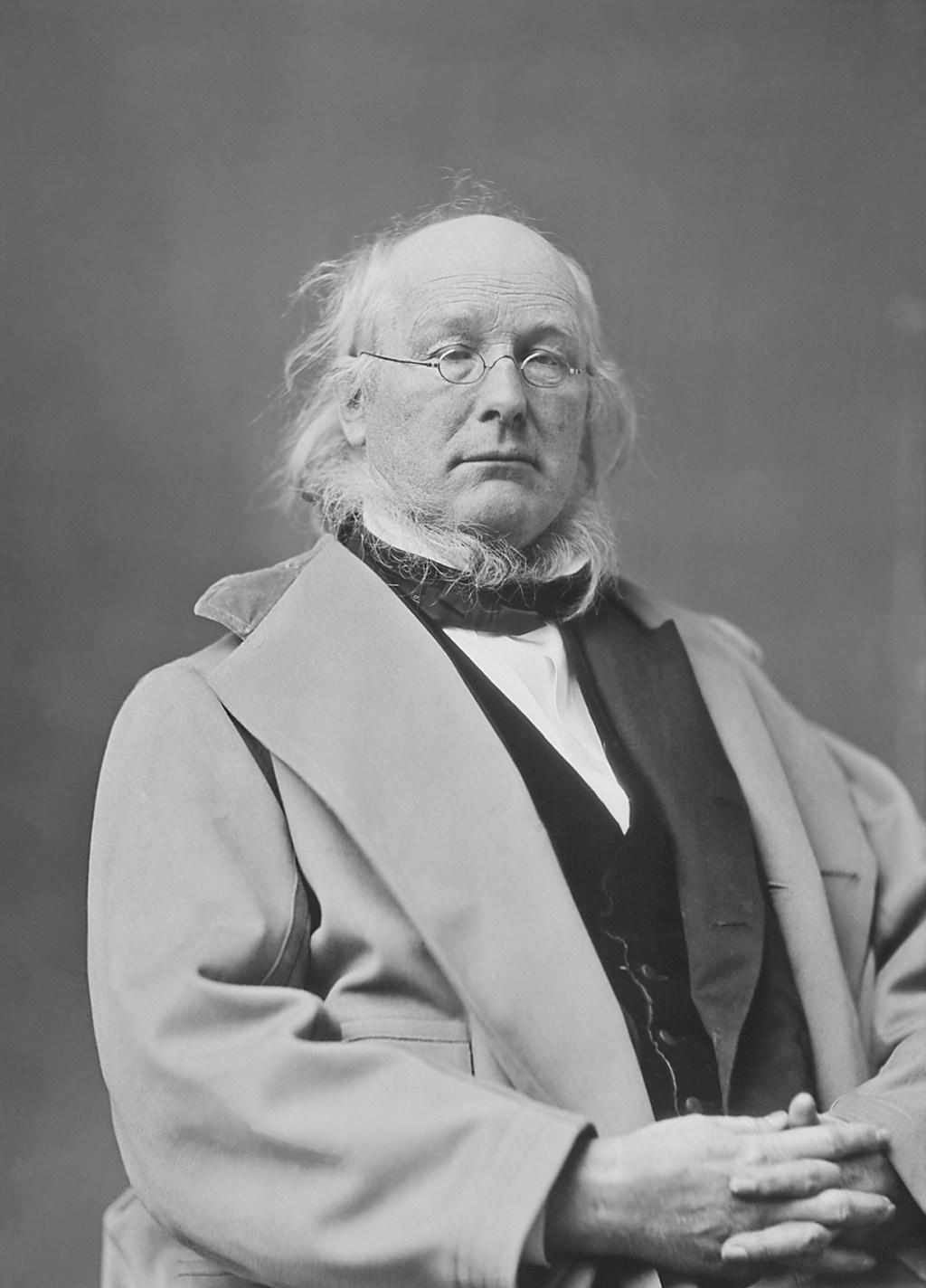
    The Election of 1872

    From the time that Ulysses S. Grant became a household name in America—during the Civil War—and particularly following Lincoln’s assassination, there was no more popular American in the remainder of the Nineteenth Century. The presidential election of 1868 showed the level of support that Grant had: although it was his first election, he won the entirety of the Midwest and New England and even took six of the former Confederate states. He was always going to be a formidable opponent. As the election of 1872 approached, it became clear that Grant, a Republican, would not have to vie for re-election against a candidate with the stature of a fellow former general or even a well-established politician; instead, his challenger would be the founder and editor of a newspaper: Horace Greeley, a Democrat. Although Greeley had one term in the House of Representatives at the end of the 1840s, his following stemmed not from his brief time as a politician but rather the incisive pieces that he wrote and published in his newspaper, the New-York Tribune. As loyal as his readers were, there remained a question whether Greeley’s following could grow to unseat the man who still, seven years after the war, was viewed as bringing peace and prosperity to the country.

    (more…)
  • The North’s Attempt at Salvation

    washington-dc
    Aerial Perspective of Washington DC in 1861.

    The Deep South’s animating of a Second American Revolution, by seceding from the Union and laying the foundation for an operational Confederate government, forced the North to either suppress the South’s uprising or craft a resolution. The likelihood of war would deter any widespread northern suppression, leaving the question: What compromise could the North propose that appeased the South and put both sections of the country on a path of coexistence? While variations of this question had been posed in the years leading up to 1860, at no prior point were states seceding from the Union en masse to form a rival government. (more…)

  • The Role of Slavery in Splitting America

    underground_railroad
    The Underground Railroad. By: Charles T. Webber.

    Since the outbreak of the Civil War and continuing to the present day, the role of slavery in splitting America has been hotly debated. One may wonder whether there was merely a correlation between slavery and the Civil War or whether slavery was the cause. Investigating the nuances of the issue of slavery reveals that the Civil War resulted from sectionalism and slavery, which were practically synonymous.

    (more…)

  • The Death of John Quincy Adams

    john_quincy_adams_daguerreotype_c1840s
    Daguerrotype of John Quincy Adams.

    One of the most outspoken Representatives in the House of Representatives, John Quincy Adams, had opposed the declaration of war on Mexico and fought President James Polk’s policies for the duration of his presidency.

    (more…)

  • The Reception of the Mexican-American War

    hon-_garrett_davis2c_ky_-_nara_-_528757
    Garrett Davis. By: Mathew Brady.

    Following President James Polk’s announcement of war with Mexico, and Congress’ declaration of war, those in the Whig Party and those around the country had significantly different views of the war.

    (more…)

  • The Censure of John Quincy Adams

    220px-john_quincy_adams
    John Quincy Adams.

    In 1842, John Quincy Adams presented to the House of Representatives a petition from 42 residents of Haverhill, Massachusetts, requesting that the Union be dissolved. Daniel Walker Howe, What Hath God Wrought: Transformation of America, 1815-1848, 610. Henry Wise, Congressman from Virginia, “demanded the former president be censured.” Id.

    (more…)

  • Election of 1840: The Rhetoric

    albert_gallatin_hoit_-_william_henry_harrison_-_google_art_project
    William Henry Harrison. By: Albert Gallatin Hoit.

    The Election of 1840 juxtaposed the Whig Party’s policies against the Democratic Party’s more fluid policies. The Whigs “possessed a more coherent program: a national bank, a protective tariff, government subsidies to transportation projects, the public lands treated as a source of revenue, and tax-supported public schools.” Daniel Walker Howe, What Hath God Wrought: Transformation of America, 1815-1848, 583-84. The Democrats did not have such rigid policies, relying instead on the “emotional bond” they they had with their followers, rather than policy initiatives. Id. at 584 citing Matthew Crenson, The Federal Machine: Beginnings of Bureaucracy in Jacksonian America (Baltimore, 1975), 29.

    (more…)

  • The Master of Parliamentary Procedure

    john_q-_adams
    John Quincy Adams.

    The United States Congress was not above adopting its own rules that would silence abolitionist views. While mass mailings to southerners became a regular occurrence for abolitionists, creating significant tension between proslavery and anti-slavery factions, those had occurred outside the purview of government. The House of Representatives, when it used a gag rule to prevent discussion of petitions relating to abolition, was striking a blow to abolitionists all over the country.

    (more…)

  • The “Positive Good” of Slavery

    36
    Engraving of John C. Calhoun.

    John Calhoun, one of the staunchest supporters of states’ rights, was widely known for his view that slavery as a “positive good” in American society.

    (more…)