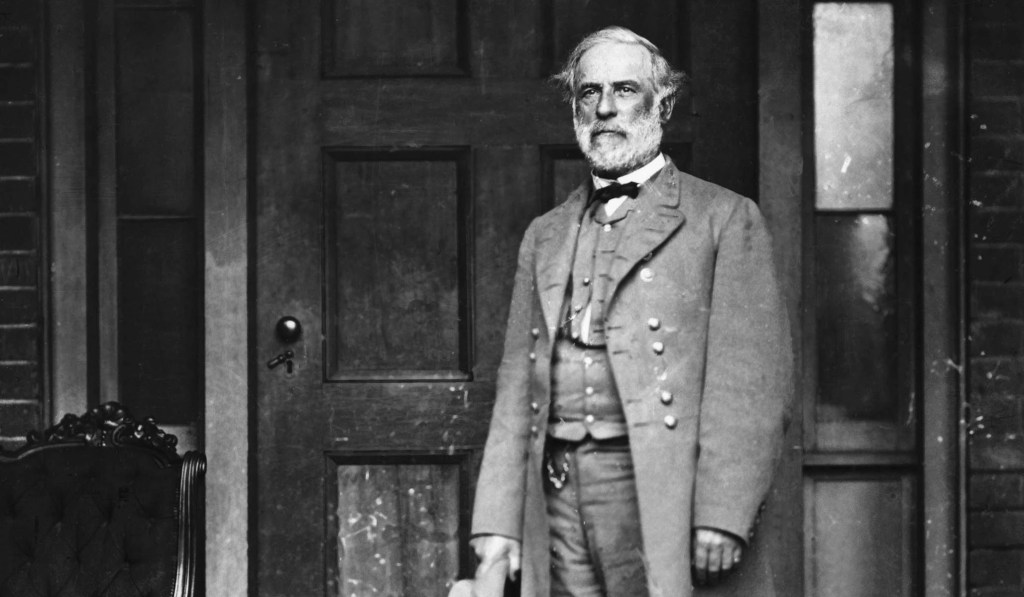
No figures in American history earn universal admiration. As years—and generations—pass, legacies change. As morals, priorities, and political issues evolve, so do understandings of those people in the past who brought change—good, bad, or otherwise—to the country. For some figures, like Abraham Lincoln, whose authentic genius is admired generation after generation, their merit is questioned only by those who unreasonably say the great should have been greater. For others, it becomes much more varied and nuanced, and for Robert E. Lee, his legacy has always differed depending on the part of the country where his legacy is measured and the tenor of the moment. This is because, perhaps more than even Confederate President Jefferson Davis, Lee became a symbol of the Confederacy—with all its ills but also its potential for what might have been.
(more…)Tag: Jubal Early
-

The Battle of the Crater
Although the Battle of Petersburg had ended with the Confederates retaining control of the city, the Union had started its siege; a strategy that had been effective at Vicksburg but required months to succeed. Prolonged trench warfare was virtually certain, and, despite federal efforts to disrupt Confederate General Robert E. Lee’s supply lines, many of the northern troops lacked the energy that they possessed during the early part of the war and were unable to destroy the railroads surrounding Petersburg so completely that the rebels could not repair them. While the beginning of 1864 had shown the Union’s ability to take rebel territory, from June to the end of July, the momentum of the war took on a pendular quality as both sides seemed to come ever closer to victory. (more…)
 Last Best Hope of Earth