Tag: Lewis Cass

  • The Lecompton Constitution

    lecompton20constitution20hall
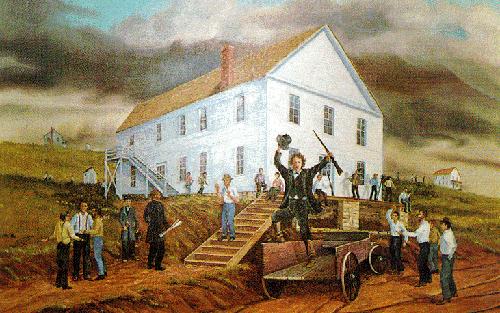
    Constitution Hall in Lecompton, Kansas.

    Following the violence in Kansas known as Bleeding Kansas, there was a question of whether the territory would be admitted as a free state or slave state. After taking office in 1857, President James Buchanan appointed Robert J. Walker of Pennsylvania to be governor of Kansas. Governor Walker wrote a letter to President Buchanan, stating “that the actual bona fide residents of the territory of Kansas, by a fair and regular vote, unaffected by fraud or violence, must be permitted, in adopting their State Constitution, to decide for themselves what shall be their social institutions.” Walker to Buchanan, March 26, 1857, in Kansas State Historical Society Transactions, V (1891-1896), 290 (italics in original). Even with such a pronouncement regarding the nature of an election, no one knew how Kansans would vote on the issue of slavery or how soon Kansas would become a state. (more…)
  • The Election of 1852

    george_p-a-_healy_-_franklin_pierce_-_google_art_project
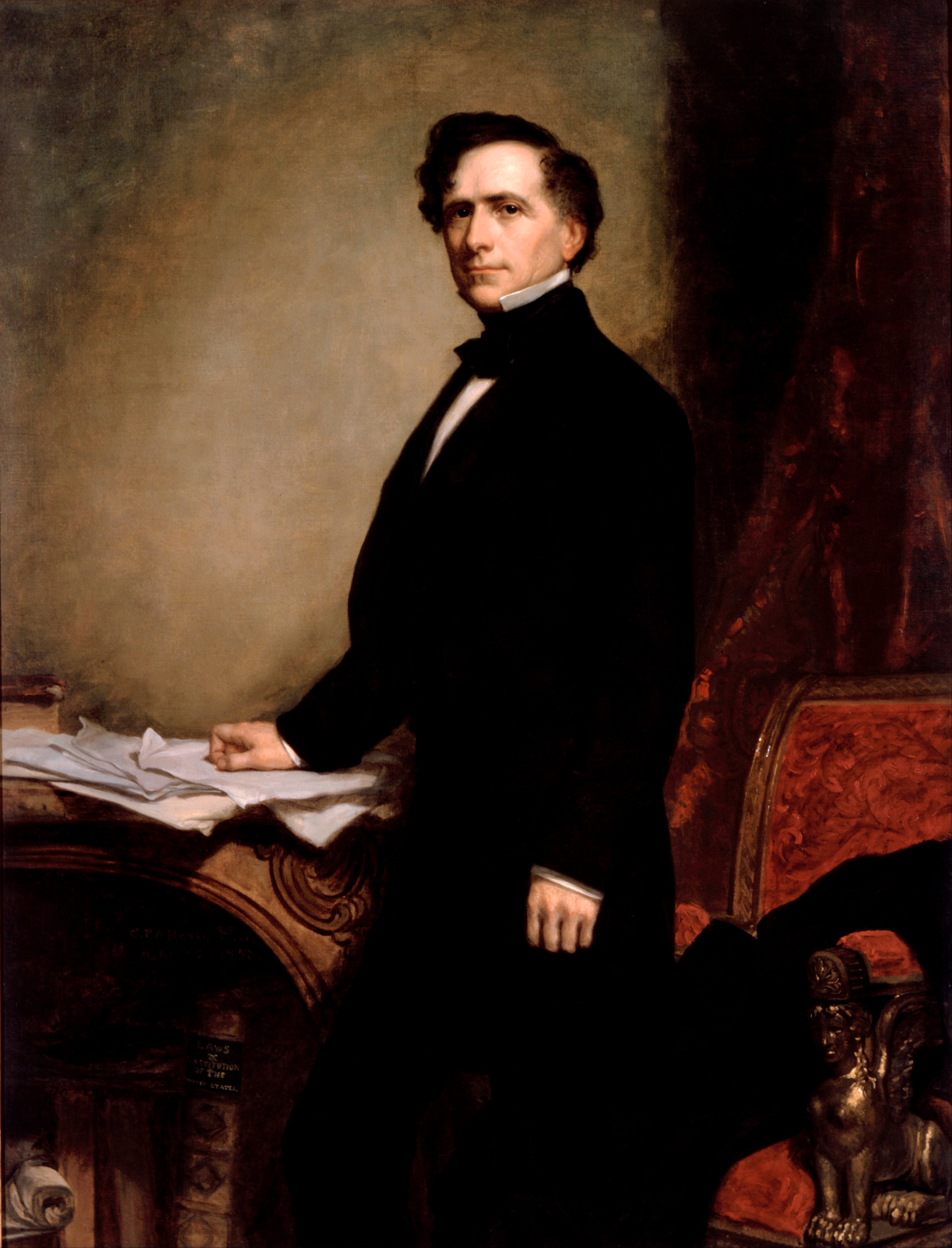
    President Franklin Pierce. By: George P.A. Healy.

    With the first term of Millard Fillmore’s presidency winding down in 1852, the Democrats felt a sense of momentum that they could reclaim the White House. In the midterm elections of 1850, the Democrats secured 140 of the 233 seats in the House of Representatives, eclipsing the Whig Party. See David Potter, The Impending Crisis: America Before the Civil War, 1848-1861, 141.

    (more…)

  • A Deadlocked and Destructive Congress

    oneofive
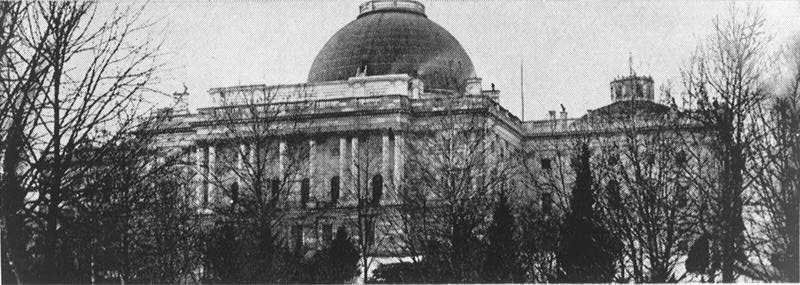
    The United States Capitol in 1848. Unknown Photographer, credit Library of Congress.

    During President James Polk’s administration, Congress grappled with resolving sectional tension arising out of whether slavery would be extended to newly acquired land from Mexico as well as the Oregon territory. Congress did not resolve that sectional tension but exacerbated it in what may have been one of the most deadlocked and destructive Congresses in American history. (more…)

  • The Theories of Slavery

    a89cbad2a1dccb130f3199e02ae7de2c
    Trout Fishing in Sullivan County, New York. By: Henry Inman.

    In the 15 years leading up to the Civil War, a wide variety of theories emerged for how the federal government should deal with slavery expanding, or not expanding, into the territories acquired by the United States.

    (more…)

  • Election of 1848: Whig Victory

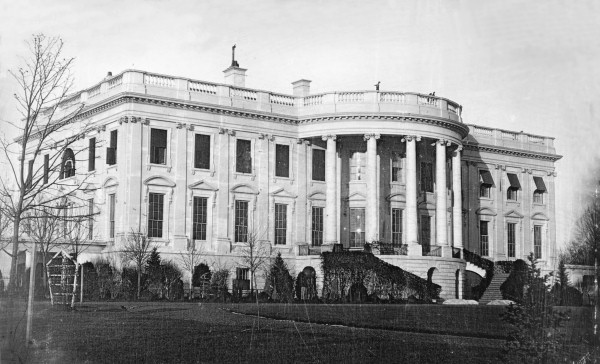
    white-house-south-face-1840s
    The White House in 1848. Credit: Library of Congress.

    On November 7, 1848, Americans went to the polls to choose between Martin Van Buren, Zachary Taylor, and Lewis Cass.

    (more…)

  • Election of 1848: The Candidates

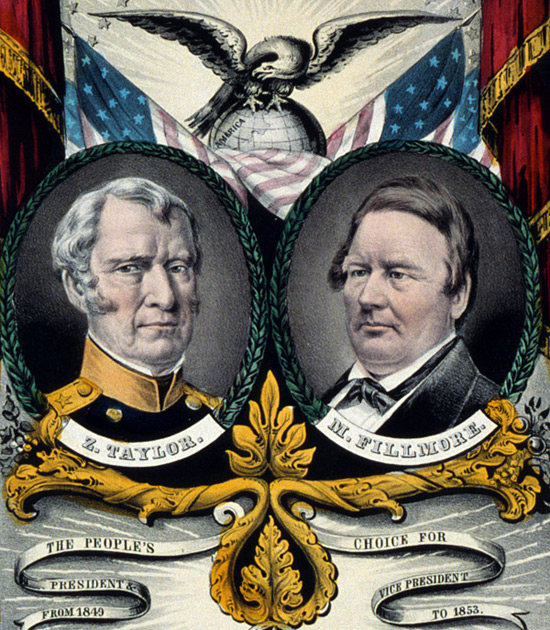
    hd_1848electiontopic
    The Whig Ticket for President, Zachary Taylor, and Vice President, Millard Fillmore.

    The Election of 1848 was bound to be unique, as President James Polk had made clear that he would serve only one term as president. With that, the Whigs and the Democrats had to put forth candidates that could meet the parties’ respective goals of reversing President Polk’s policies (the Whigs) and expanding on President Polk’s policies (the Democrats).

    (more…)

  • Election of 1844: The Conventions

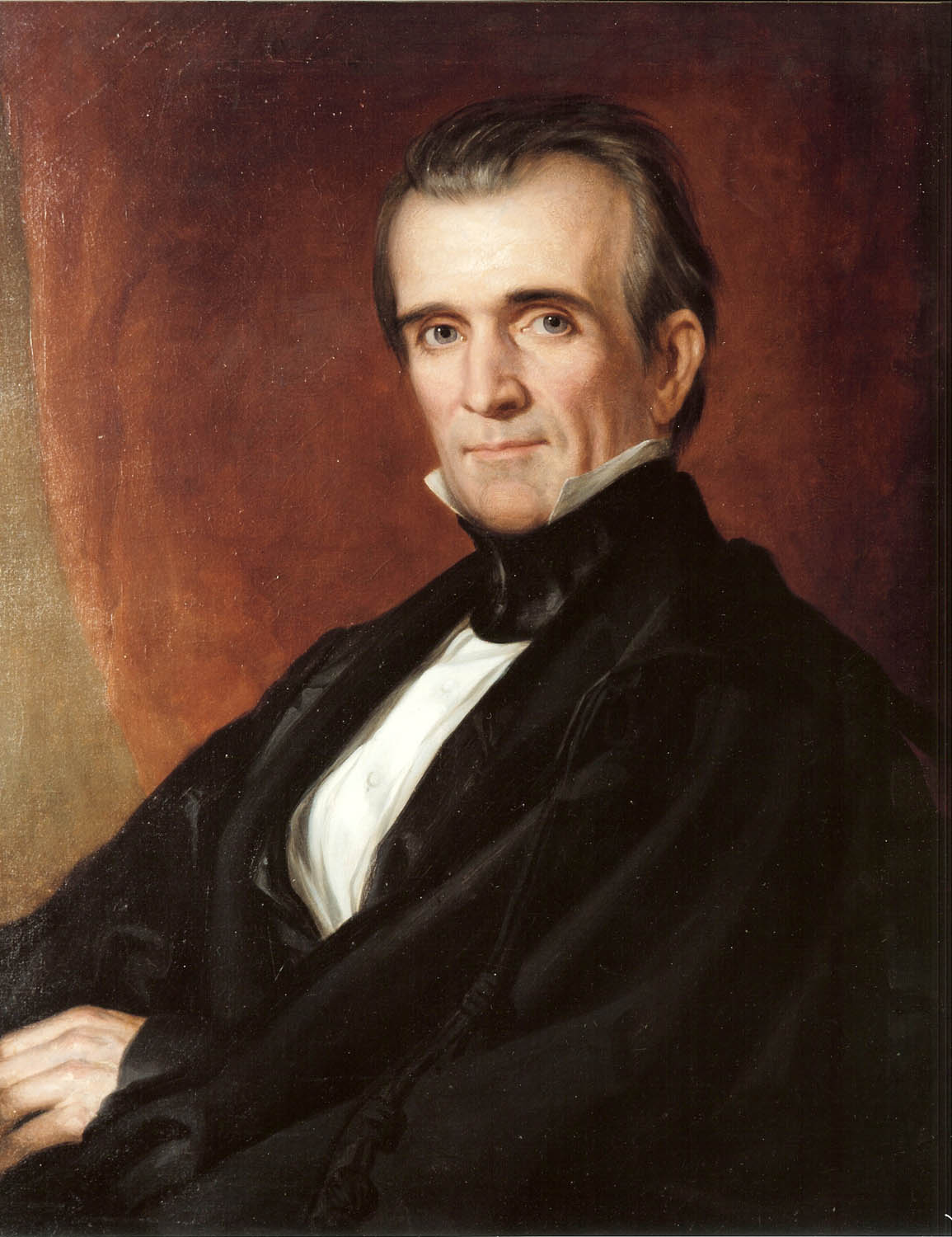
    shades_polk_0002
    James Knox Polk. By: George P.A. Healy.

    The Election of 1844 was one of the most momentous in American history.

    (more…)

  • The Extermination of Native Americans

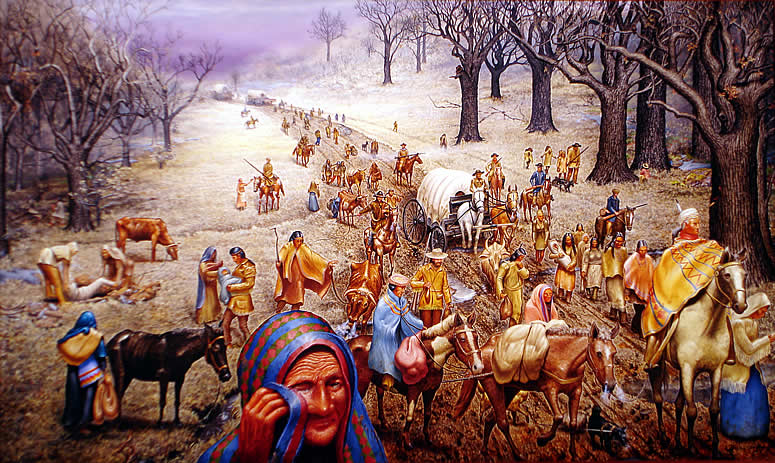
    max-d-stanley-trail-of-tears
    Trail of Tears. By: Max D. Stanley.

    Under President Andrew Jackson, and his successor President Martin Van Buren, there was mass removal of Native Americans westward across America.

    (more…)

  • The Aftermath of Jackson’s Bank Policies

    secondbank
    Illustration of the Second Bank of the United States.

    In the aftermath of President Andrew Jackson’s destroying the Second Bank of the United States, there were ramifications throughout the country, from top to bottom.

    (more…)