Tag: Manifest Destiny

  • Halting Manifest Destiny

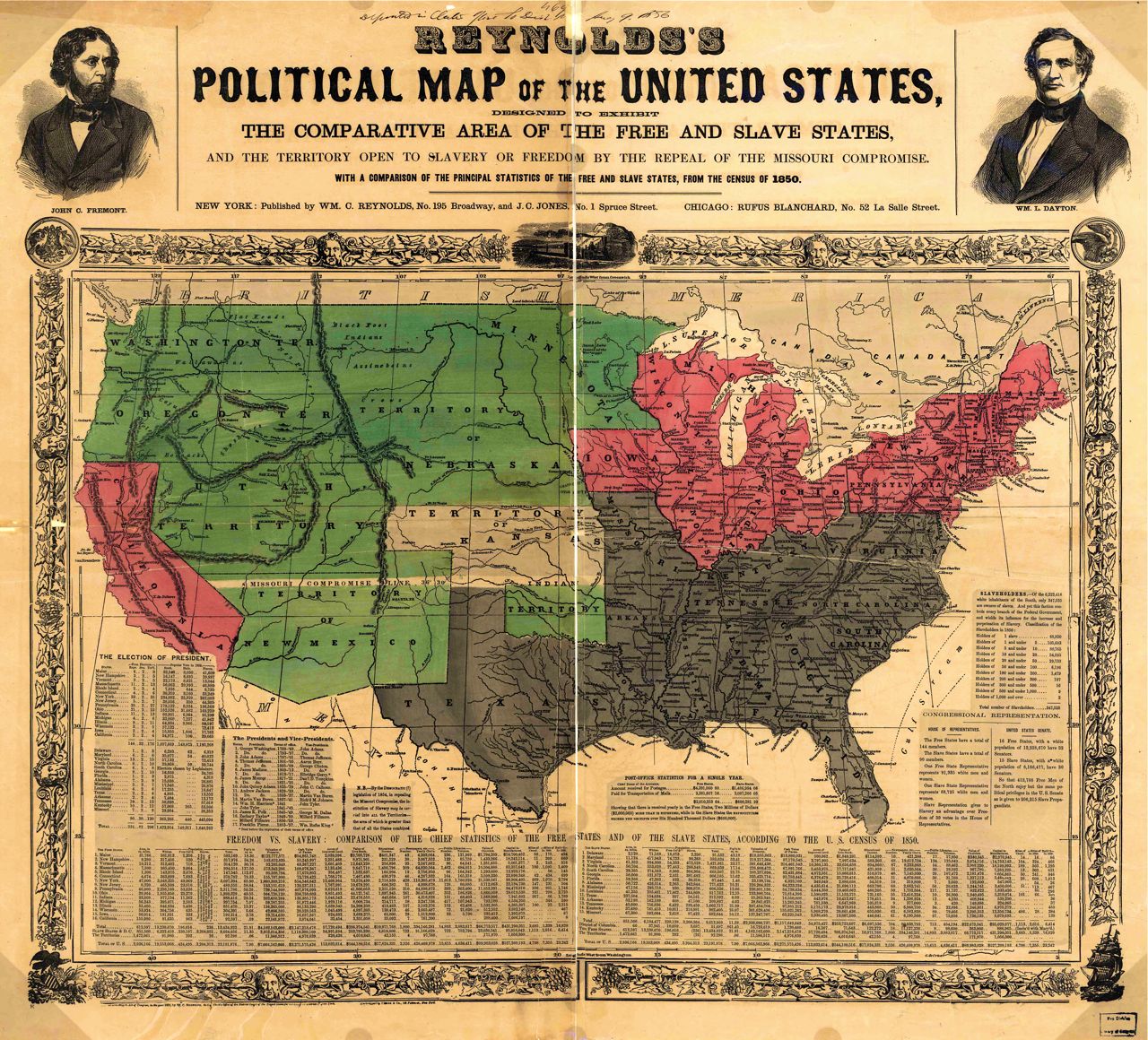
    reynolds-political-map1
    Map of America in 1850.

    During 1854, while the Kansas-Nebraska Act was making its way through Congress and to President Franklin Pierce’s desk, there were significant developments throughout the country that would have lessen the manifest destiny fever that had captured the nation’s attention up to that point. One of the hallmarks of American progress was nearing its end. (more…)
  • A Conspiracy Emerges

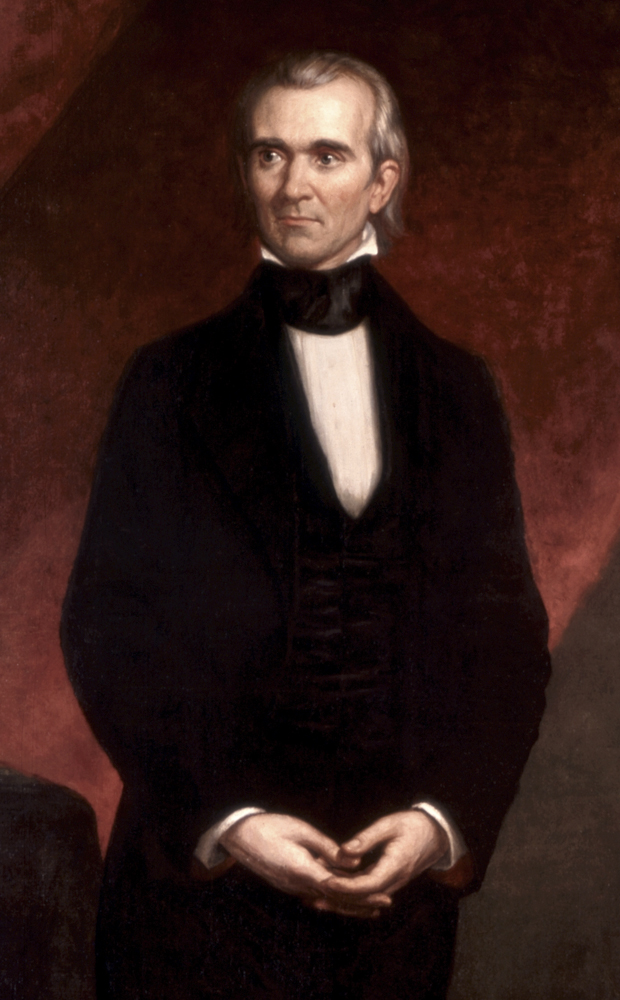
    xpolk-pagespeed-ic-bzg1enalzt
    James Polk.

    Amidst the Mexican-American War, a conspiracy emerged involving President James Polk and the exiled leader of Mexico, Santa Anna. Not only would this conspiracy embolden Whigs but Democrats would also come down on President Polk for his actions.

    (more…)

  • The Taking of New Mexico

    stephen_w-_kearny
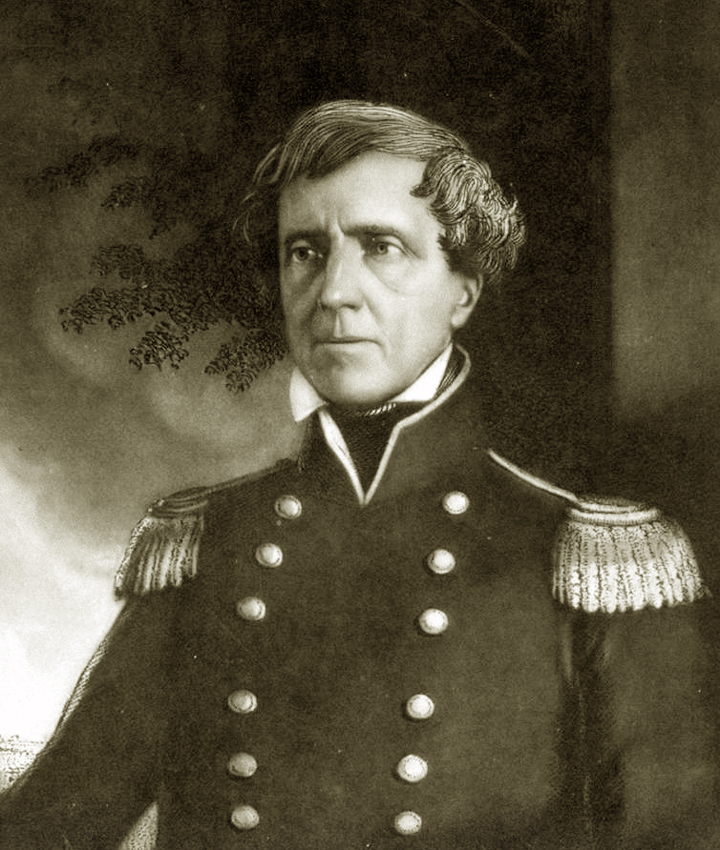
    Stephen Watts Kearny. Engraving By: Y.B. Welch.

    Upon America’s declaring war with Mexico in May 1846, President James Polk sent “the Army of the West” to New Mexico. See Daniel Walker Howe, What Hath God Wrought: Transformation of America, 1815-1848, 758. This army was sent for the sole purpose of conquest, and it was led by Brigadier General Stephen Watts Kearny. Id.

    (more…)

  • The Whigs’ Manifest Destiny

    william_ellery_channing_by_henry_cheever_pratt_1857
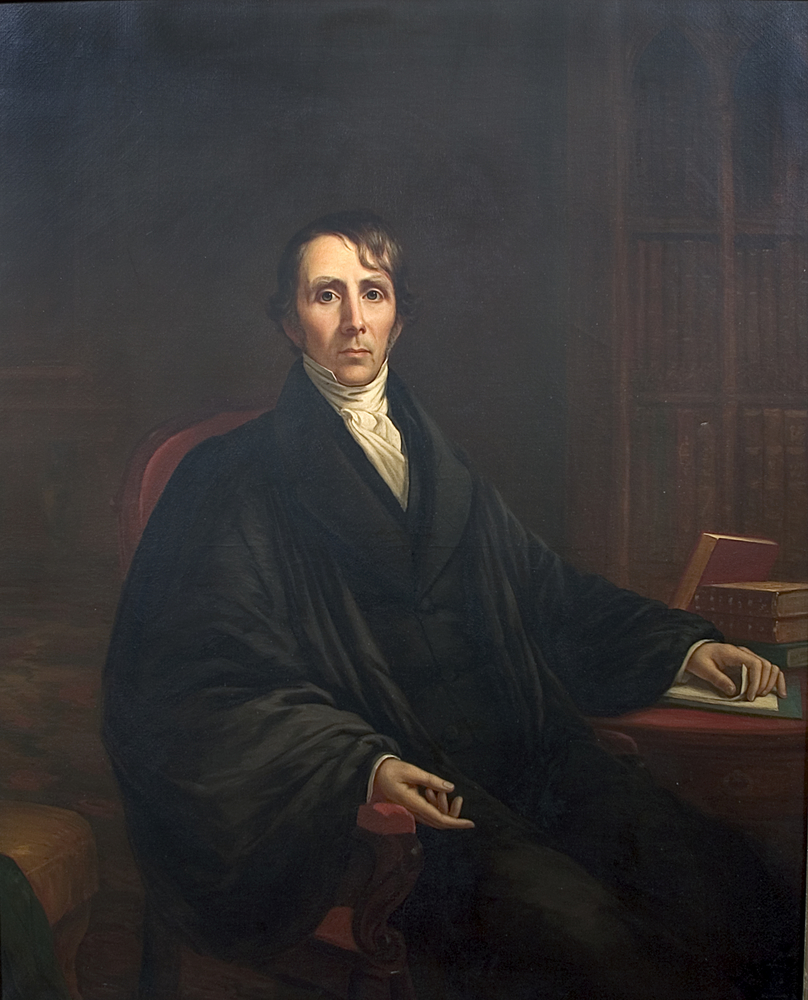
    William Ellery Channing. By: Henry Cheever Pratt.

    The Whigs had their own approach to interpreting manifest destiny, and that approach mainly applied to shaping America’s foreign policy.

    (more…)

  • Manifest Destiny

    demrevcontentspage
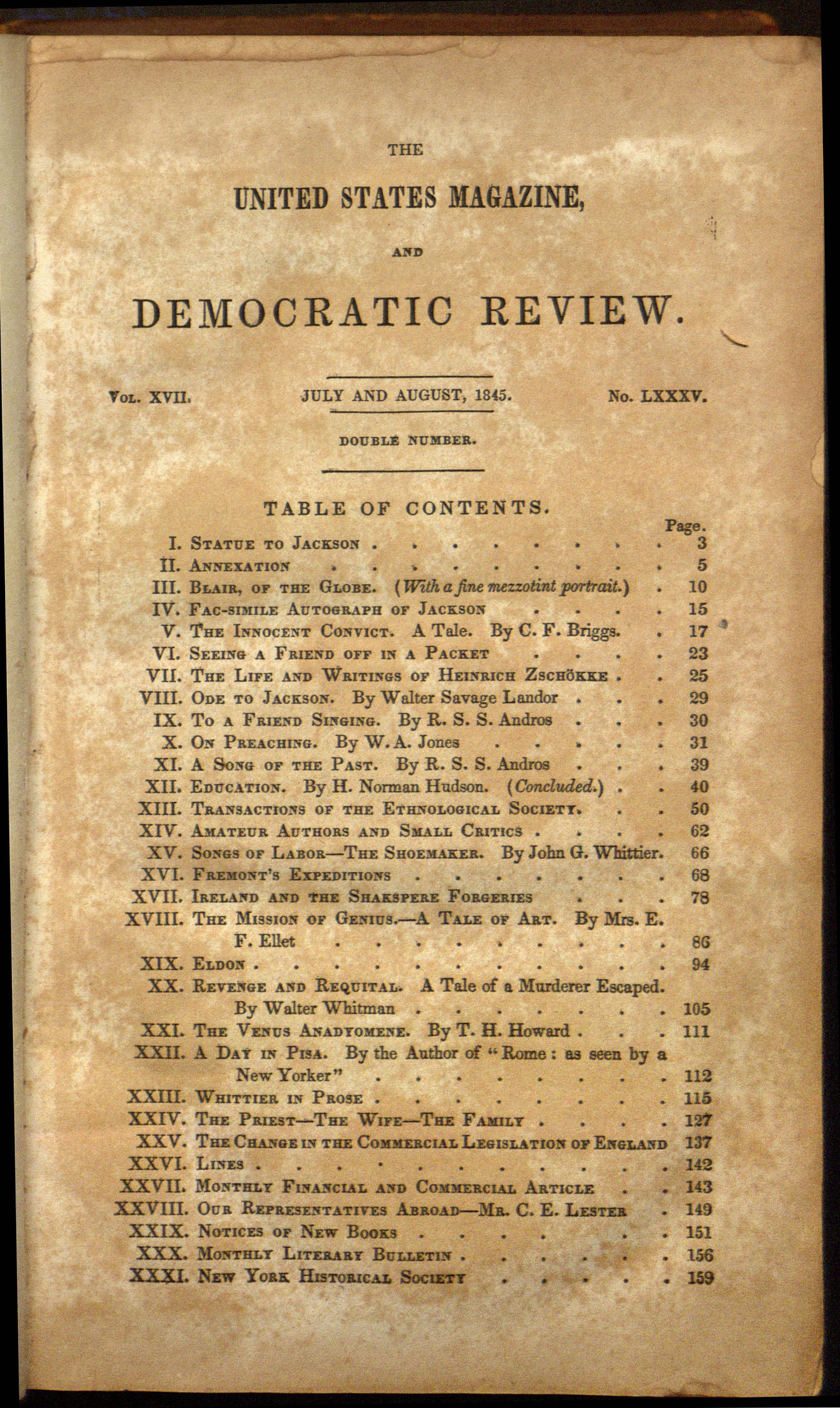
    The Democratic Review Magazine.

    While many Americans would come to embrace manifest destiny, the idea that America would achieve its imperial destiny and dominate the continent, it was not a politician or president who coined the term. Rather, it was coined in 1845 in New York’s Democratic Review magazine. See Daniel Walker Howe, What Hath God Wrought: Transformation of America, 1815-1848, 702-03.

    (more…)

  • The Annexation of Texas

    john-tyler
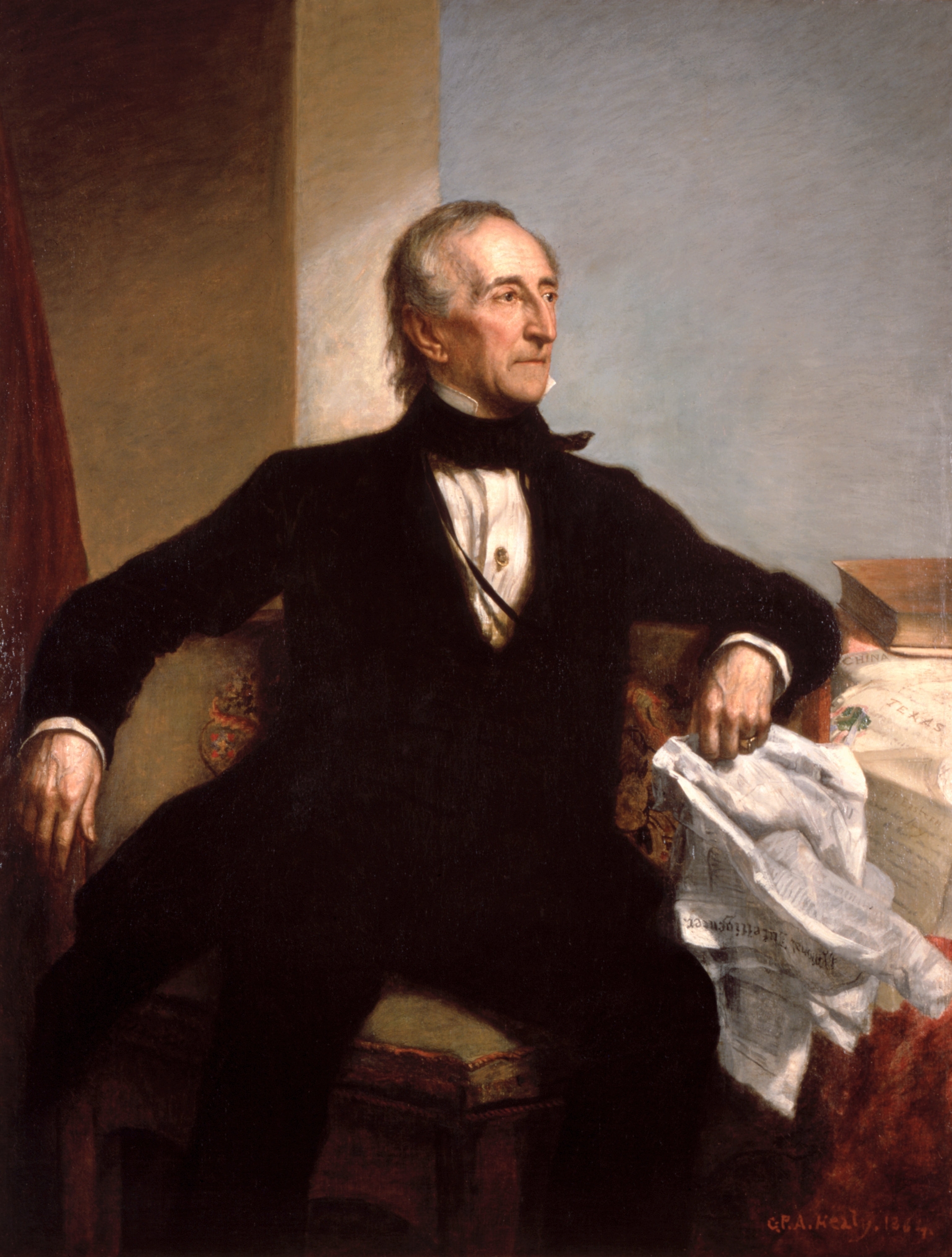
    President John Tyler.

    President John Tyler sought to achieve much success in foreign affairs during his presidency, and part of that success, he imagined, would be accomplished through expansion of the country. See Daniel Walker Howe, What Hath God Wrought: Transformation of America, 1815-1848, 677. The annexation of the Republic of Texas to be the 28th state in the Union was to be his goal.

    (more…)

  • Literature of the 1830s and 1840s

    hd_lippardg
    George Lippard.

    While much of literature during the 1830s and 1840s was dedicated to religiosity and piety, a new type of literature was emerging during this time. George Lippard and other authors were achieving commercial success writing novels that have stood the test of time and have had appeal to ordinary Americans in generations since: novels about the Western United States. See Daniel Walker Howe, What Hath God Wrought: Transformation of America, 1815-1848, 631.

    (more…)

  • Jackson’s Farewell

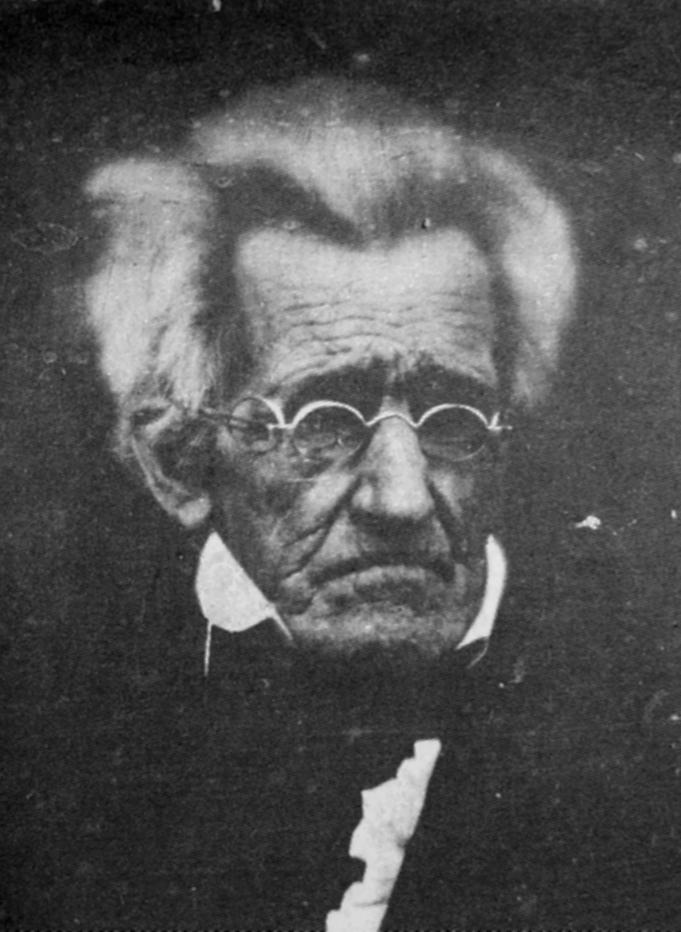
    78yo_andrew_jackson
    Andrew Jackson.

    President Andrew Jackson, with his term coming to an end, commissioned the Chief Justice of the Supreme Court, Roger Taney, to write his farewell address. This was his imitation of George Washington, who had started the tradition of the farewell address. See Daniel Walker Howe, What Hath God Wrought: Transformation of America, 1815-1848, 500.

    (more…)

  • The Extermination of Native Americans

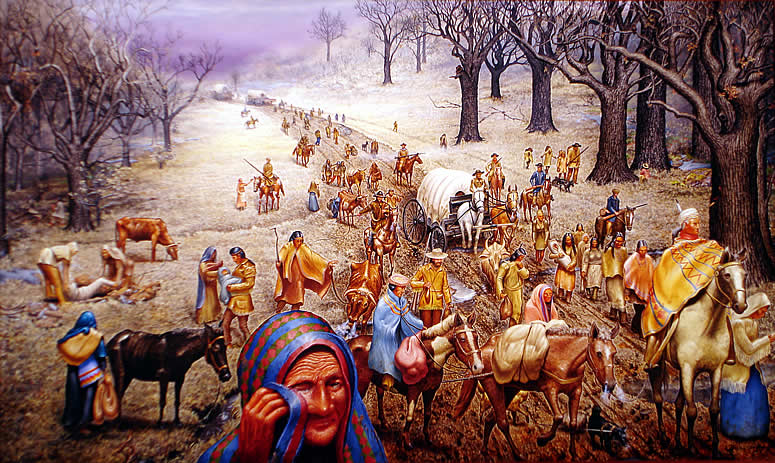
    max-d-stanley-trail-of-tears
    Trail of Tears. By: Max D. Stanley.

    Under President Andrew Jackson, and his successor President Martin Van Buren, there was mass removal of Native Americans westward across America.

    (more…)

  • Introduction of the Seventh President

    jackson_first_inaugural
    Depiction of Andrew Jackson Taking the Oath of Office.

    Following the Election of 1828, Andrew Jackson was preparing to move into the White House, newly a widower and introducing a change in leadership.

    (more…)