
President Andrew Jackson had a predisposition toward annexing Texas and making it American territory. See Daniel Walker Howe, What Hath God Wrought: Transformation of America, 1815-1848, 670.
President Andrew Jackson had a predisposition toward annexing Texas and making it American territory. See Daniel Walker Howe, What Hath God Wrought: Transformation of America, 1815-1848, 670.

Following the Election of 1840, members of the Whig Party must have been optimistic about their future. They likely imagined that the dominance of the Jacksonian Democrats could be replicated within the ranks of the Whigs and supplant the Democrats. It was not to be, however.

Following William Henry Harrison’s death just a month into his presidency in 1841, John Tyler rose to the presidency, in the first instance of a president dying while holding the office. See Daniel Walker Howe, What Hath God Wrought: Transformation of America, 1815-1848, 589.

In 1832, Henry Clay addressed the Senate, expressing his hope that “some day,” America “would be rid of this, the darkest spot on its mantle,” speaking of slavery. Daniel Walker Howe, What Hath God Wrought: Transformation of America, 1815-1848, 586 quoting Life, Correspondence, and Speeches of Henry Clay, ed. Calvin Colton (New York, 1857), I, 189, 191.
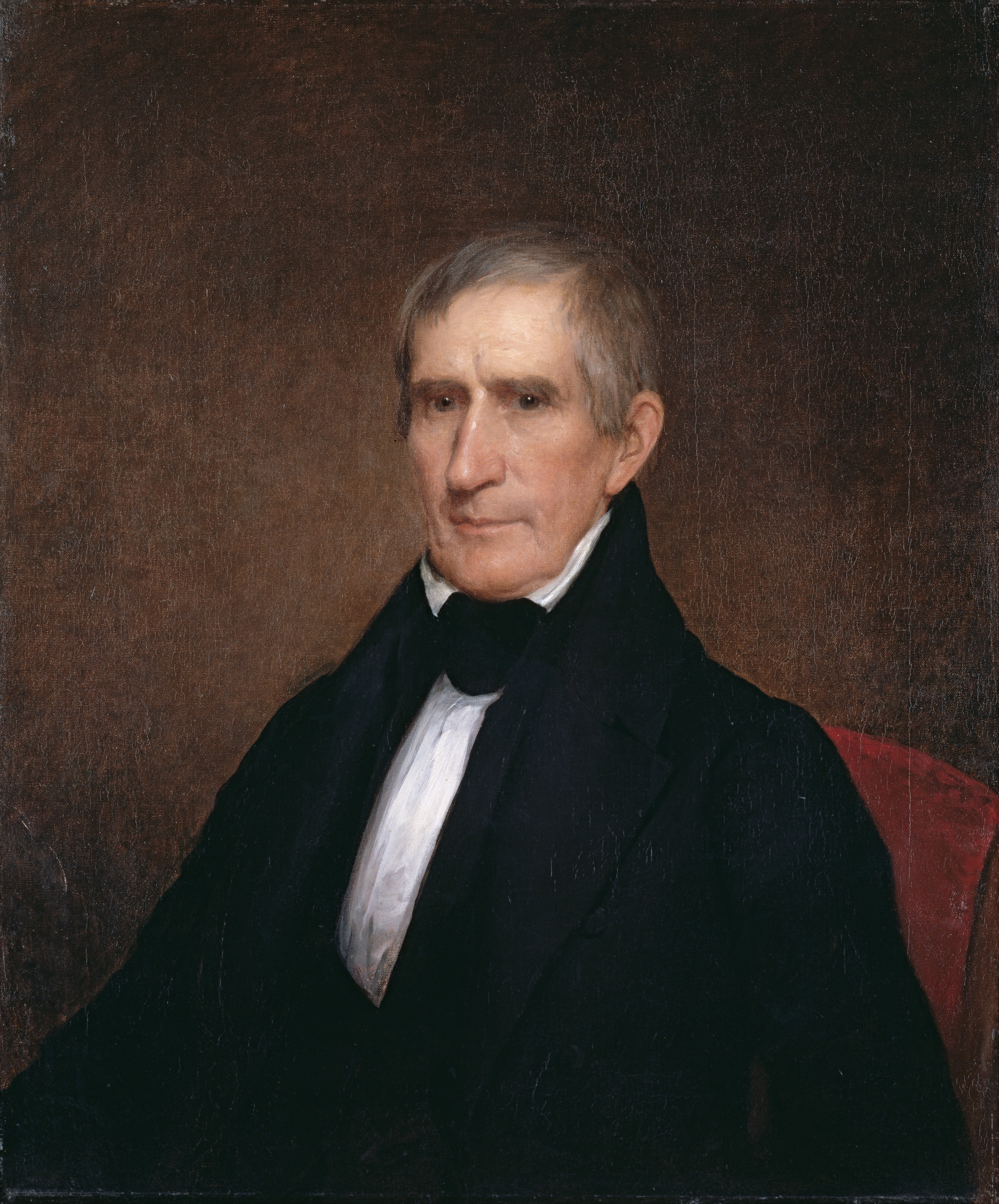
The Election of 1840 juxtaposed the Whig Party’s policies against the Democratic Party’s more fluid policies. The Whigs “possessed a more coherent program: a national bank, a protective tariff, government subsidies to transportation projects, the public lands treated as a source of revenue, and tax-supported public schools.” Daniel Walker Howe, What Hath God Wrought: Transformation of America, 1815-1848, 583-84. The Democrats did not have such rigid policies, relying instead on the “emotional bond” they they had with their followers, rather than policy initiatives. Id. at 584 citing Matthew Crenson, The Federal Machine: Beginnings of Bureaucracy in Jacksonian America (Baltimore, 1975), 29.

The Election of 1840 is one that stands out in history. That is for principally one reason: voter turnout.

As was customary until 1904, an incumbent president did not campaign openly for his re-election. This was true for President Martin Van Buren as well. See Daniel Walker Howe, What Hath God Wrought: Transformation of America, 1815-1848, 573.
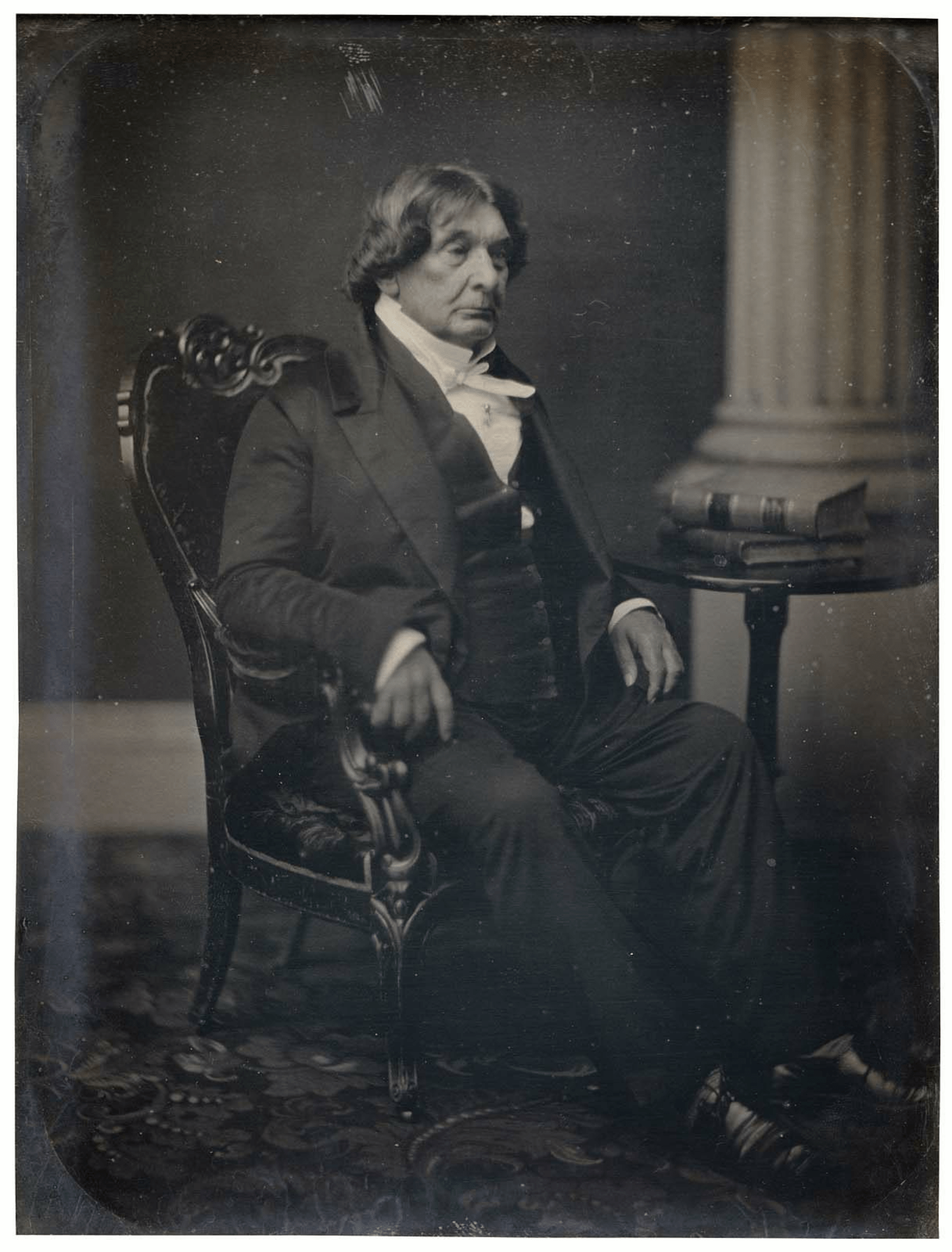
The labor movement gained significant momentum during the 1830s and 1840s, paving the way for future generations of Americans to secure extensive workers’ rights.

With President Martin Van Buren in the White House came increasing extermination of the Native Americans. While many will recall the Trail of Tears leading to thousands of Native American deaths, the Second Florida War would be the “longest and most costly of all the army’s Indian Wars,” as it stretched from 1835 to 1842. Daniel Walker Howe, What Hath God Wrought: Transformation of America, 1815-1848, 516.
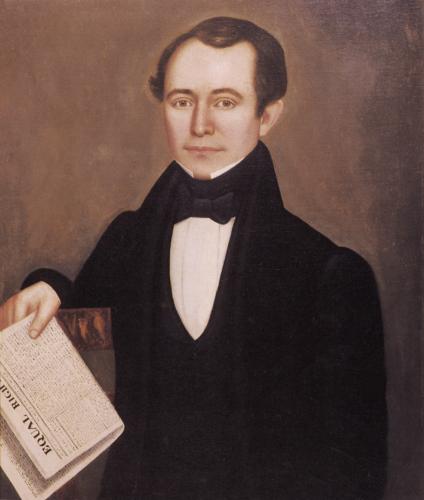
With the emergence of the Democrats and the Whigs as the two main political parties in the late 1830s and early 1840s, this fostered significant tension on the issue of slavery.
 Last Best Hope of Earth