
One of the most outspoken Representatives in the House of Representatives, John Quincy Adams, had opposed the declaration of war on Mexico and fought President James Polk’s policies for the duration of his presidency.
One of the most outspoken Representatives in the House of Representatives, John Quincy Adams, had opposed the declaration of war on Mexico and fought President James Polk’s policies for the duration of his presidency.

With the execution of the Treaty of Guadalupe Hidalgo, the Mexican-American War had come to an end. The territory that Mexico relinquished to America held “some ninety thousand Hispanics and a considerably larger number of tribal Indians,” despite President James Polk characterizing the territory as “almost unoccupied.” Daniel Walker Howe, What Hath God Wrought: Transformation of America, 1815-1848, 809.

The Treaty of Guadalupe Hidalgo was the culmination of the Mexican-American War and “embodied the objectives for which [President James] Polk had gone to war.” Daniel Walker Howe, What Hath God Wrought: Transformation of America, 1815-1848, 808.

At the end of the Mexican-American War, President James Polk proposed taking as much as Mexico’s land as possible. However, he proposed this plan to a majority Whig House of Representatives.

In 1848, when word spread to America that a revolution was breaking out in France, President James Polk wrote: “The great principles of popular sovereignty which were proclaimed in 1776 by the immortal author of our Declaration of Independence, seem now to be in the course of rapid development throughout the world.” James Knox Polk to Richard Rush, April 18, 1848, quoted in Michael Morrison, “American Reactions to European Revolutions, 1848-1852,” Civil War History 49 (June 2003): 117.

Throughout the course of the Mexican-American War, General Winfield Scott was increasingly becoming a hero to Americans. While many Americans looked at Scott’s actions and could only admire him, one man took action to ensure Scott would not have a pristine reputation. That man was President James Polk.

Winfield Scott was “one of the greatest soldiers the United States Army has ever produced,” fighting in the War of 1812, the Mexican-American War, and the Civil War. Daniel Walker Howe, What Hath God Wrought: Transformation of America, 1815-1848, 778.

With the Mexican-American War well underway, the midterm elections in 1846-47 were bound to be consequential.
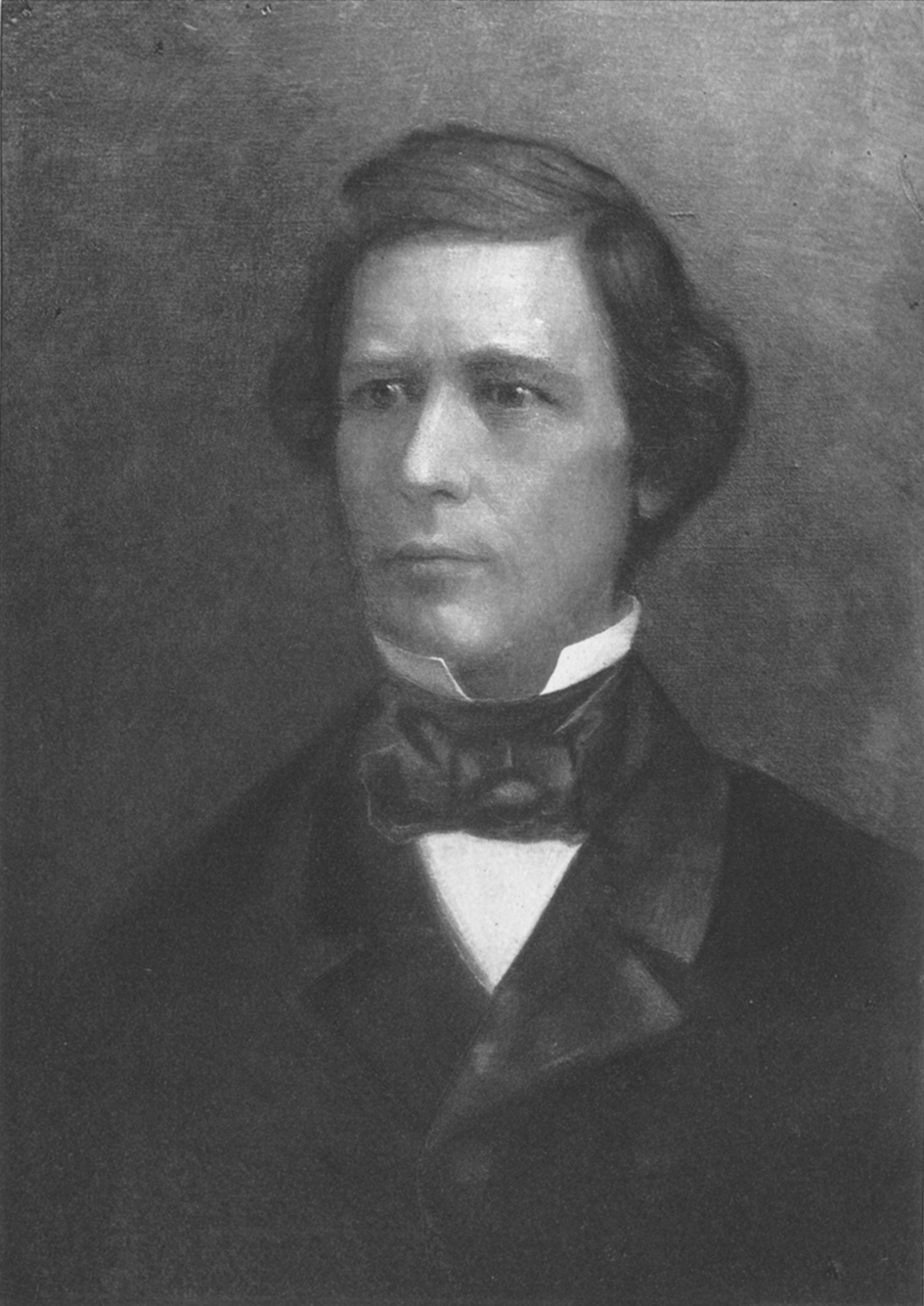
President James Polk, expecting a fast resolution to the Mexican-American War, “requested from Congress in August 1846 a $2 million appropriation for ‘defraying any extraordinary expenses which may be incurred in the intercourse between the United States and foreign nations.’” Daniel Walker Howe, What Hath God Wrought: Transformation of America, 1815-1848, 766 quoting James Polk, Diary, II, 76-77 (Aug. 10, 1846). Shortly after Congress followed this instruction and drafted a bill, David Wilmot of Pennsylvania introduced an amendment to specify that slavery would not be lawful in any territory acquired. See Daniel Walker Howe, What Hath God Wrought: Transformation of America, 1815-1848, 767.
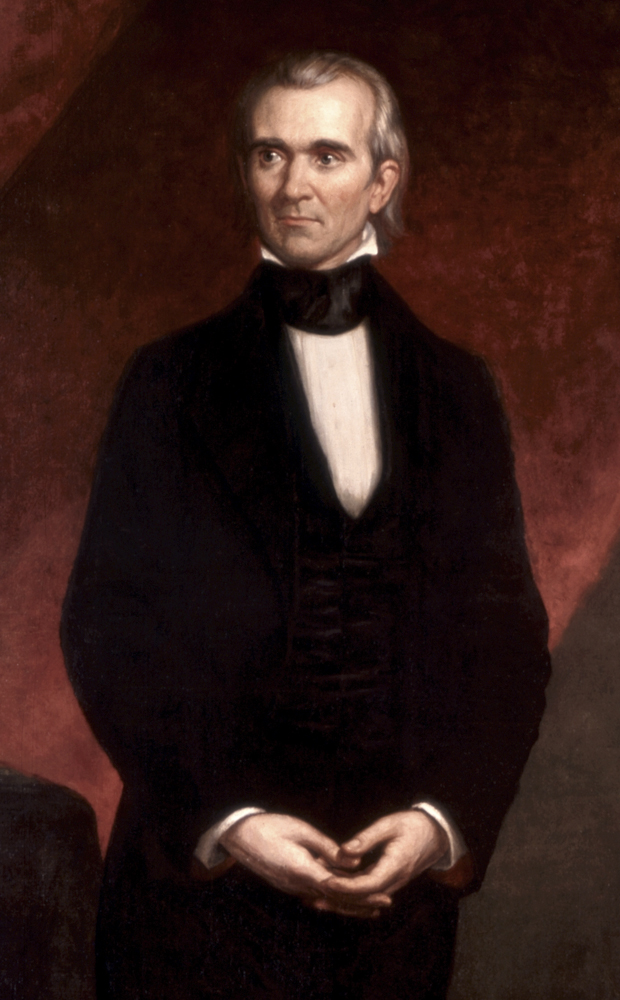
Amidst the Mexican-American War, a conspiracy emerged involving President James Polk and the exiled leader of Mexico, Santa Anna. Not only would this conspiracy embolden Whigs but Democrats would also come down on President Polk for his actions.
 Last Best Hope of Earth