January 8, 1861
A few weeks after Henry Adams wrote to his brother Charles Francis Adams Jr. about the scenes playing out post-election in Washington, D.C., he wrote again—this time about the potential for warfare to soon begin.
(more…)January 8, 1861
A few weeks after Henry Adams wrote to his brother Charles Francis Adams Jr. about the scenes playing out post-election in Washington, D.C., he wrote again—this time about the potential for warfare to soon begin.
(more…)Few events in American history rival the magnitude and luridness of the Civil War, with its seemingly innumerable tales of sacrifice and Shakespearean drama. Each generation, from the War’s conclusion in 1865 to present, has taken up the task of dissecting and analyzing its causes and effects to discern its many lessons and to engage in a great deal of introspection as to the meaning of the War and being an American citizen. The War’s impact on American life continues to the present day. Its impact just after the midpoint of the 19th Century could hardly be overstated: if the Revolutionary War secured the existence of the states and if the War of 1812 created a sense of nationalism amongst the inhabitants of those states, the Civil War represented the fragility and value of the national union that the various states formed. (more…)

The Deep South’s animating of a Second American Revolution, by seceding from the Union and laying the foundation for an operational Confederate government, forced the North to either suppress the South’s uprising or craft a resolution. The likelihood of war would deter any widespread northern suppression, leaving the question: What compromise could the North propose that appeased the South and put both sections of the country on a path of coexistence? While variations of this question had been posed in the years leading up to 1860, at no prior point were states seceding from the Union en masse to form a rival government. (more…)
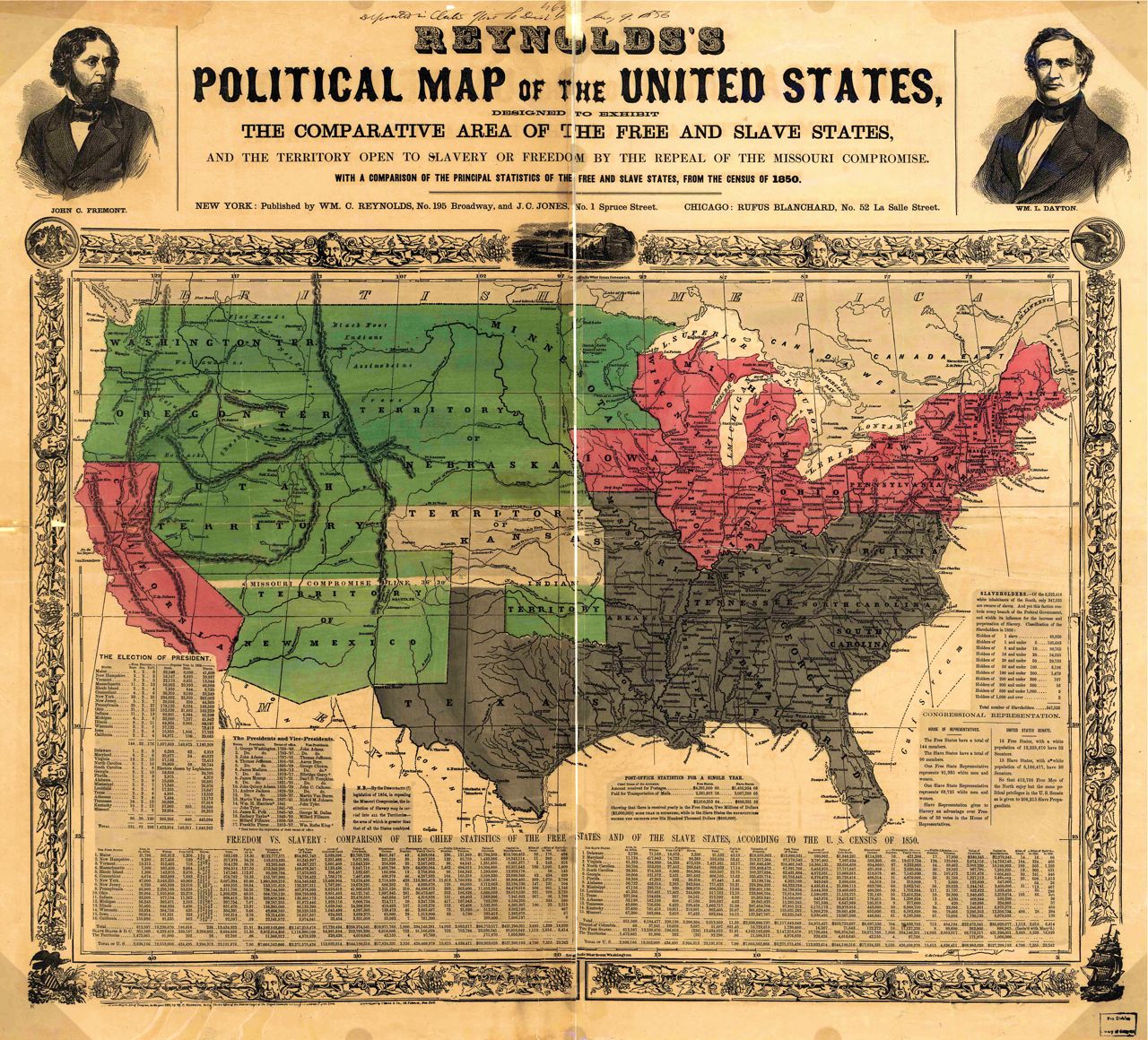
During 1854, while the Kansas-Nebraska Act was making its way through Congress and to President Franklin Pierce’s desk, there were significant developments throughout the country that would have lessen the manifest destiny fever that had captured the nation’s attention up to that point. One of the hallmarks of American progress was nearing its end. (more…)
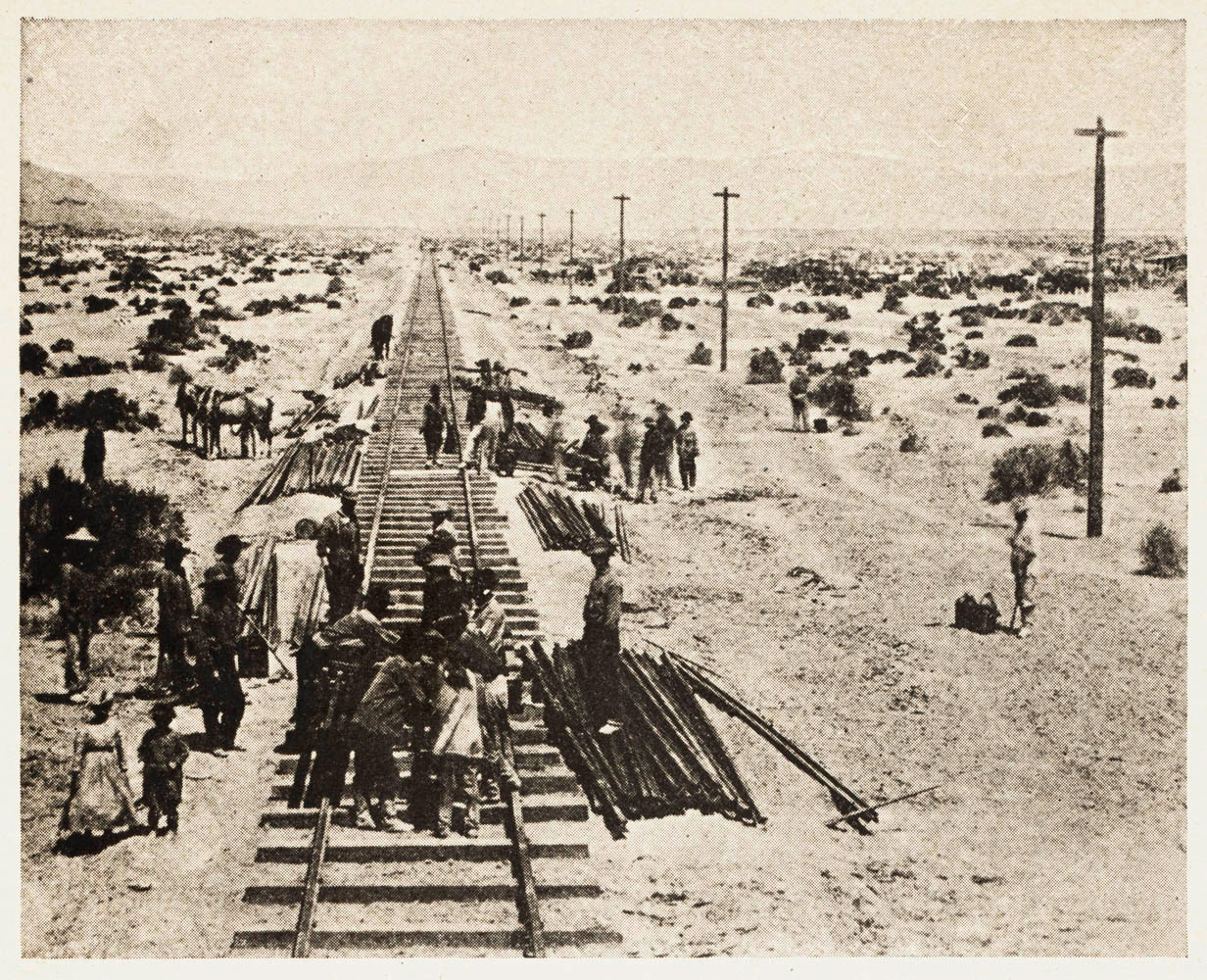
In 1844, Asa Whitney, a merchant in New York, proposed that a transcontinental railroad be built. While he hoped to lead the construction of the railroad and reap the benefits of the ambitious project, that was not to be. However, three components of his plan captured the spirit of Americans toward the construction of the railroad: “There must be a railroad to the Pacific; it must be financed by grants of public lands along the route; and it must be built by private interests which received these grants.” David Potter, The Impending Crisis: America Before the Civil War, 1848-1861, 146. (more…)

Upon President Zachary Taylor taking office, he sent a message to Congress deploring the sectionalism that was pervading the country. See David Potter, The Impending Crisis: America Before the Civil War, 1848-1861, 91. He looked to George Washington’s warnings against “characterizing parties by geographical discriminations,” which appeared by 1849 to be a prescient warning. Id. citing James D. Richardson, ed., A Compilation of the Messages and Papers of the Presidents (11 vols.; New York, 1907), V, 9-24. President Taylor offered hope for northerners and those Americans who wanted to preserve the Union with his vow: “Whatever dangers may threaten it [the Union] I shall stand by it and maintain it in its integrity.” David Potter, The Impending Crisis: America Before the Civil War, 1848-1861, 91 citing James D. Richardson, ed., A Compilation of the Messages and Papers of the Presidents (11 vols.; New York, 1907), V, 9-24. (more…)

During President James Polk’s administration, Congress grappled with resolving sectional tension arising out of whether slavery would be extended to newly acquired land from Mexico as well as the Oregon territory. Congress did not resolve that sectional tension but exacerbated it in what may have been one of the most deadlocked and destructive Congresses in American history. (more…)

With the execution of the Treaty of Guadalupe Hidalgo, the Mexican-American War had come to an end. The territory that Mexico relinquished to America held “some ninety thousand Hispanics and a considerably larger number of tribal Indians,” despite President James Polk characterizing the territory as “almost unoccupied.” Daniel Walker Howe, What Hath God Wrought: Transformation of America, 1815-1848, 809.
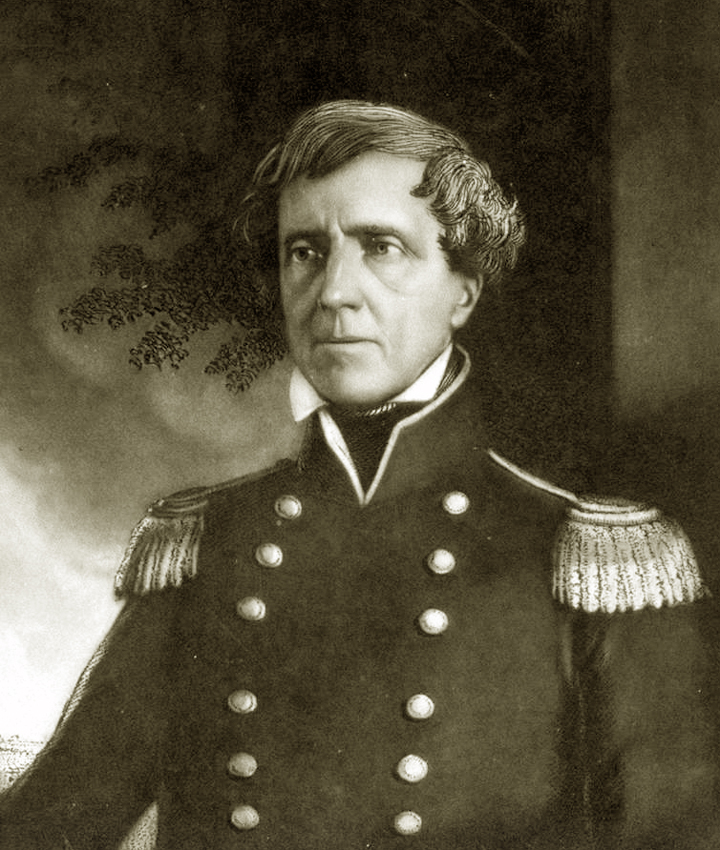
Upon America’s declaring war with Mexico in May 1846, President James Polk sent “the Army of the West” to New Mexico. See Daniel Walker Howe, What Hath God Wrought: Transformation of America, 1815-1848, 758. This army was sent for the sole purpose of conquest, and it was led by Brigadier General Stephen Watts Kearny. Id.

President James Polk, prior to the beginning of the Mexican-American War, had an idea for how to gain new territory for America. He was not going to limit the acquisitions solely to what could be gained with Mexico through military conflict south of Texas. He had his eyes on California and New Mexico, and he had a plan for how to get those two territories.
 Last Best Hope of Earth