
New York politics after the War of 1812 had ended “became a microcosm of the future of national politics.” Daniel Walker Howe, What Hath God Wrought: Transformation of America, 1815-1848, 237.
New York politics after the War of 1812 had ended “became a microcosm of the future of national politics.” Daniel Walker Howe, What Hath God Wrought: Transformation of America, 1815-1848, 237.
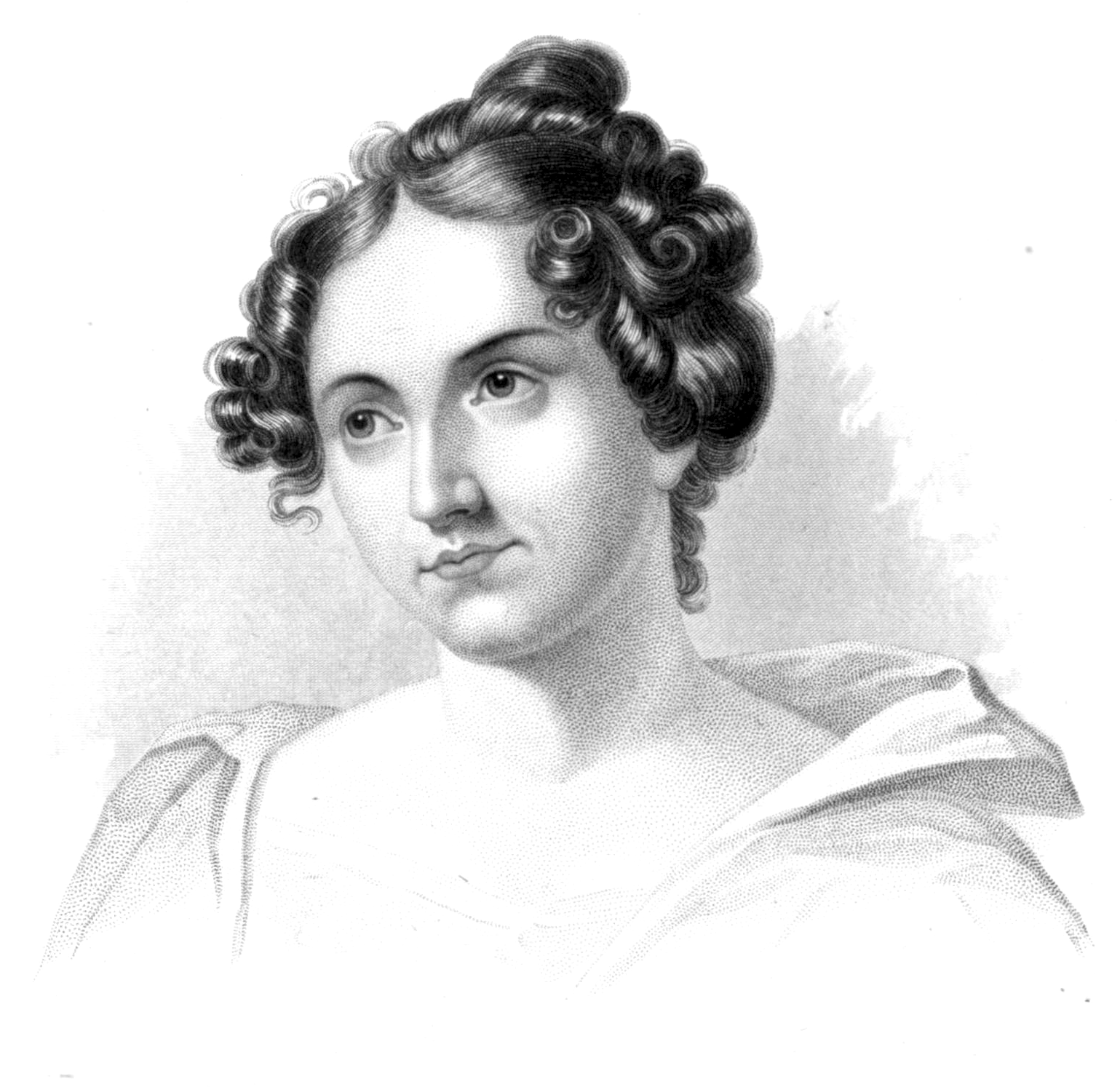
Not long after the end of the War of 1812, America was undergoing a communications revolution.
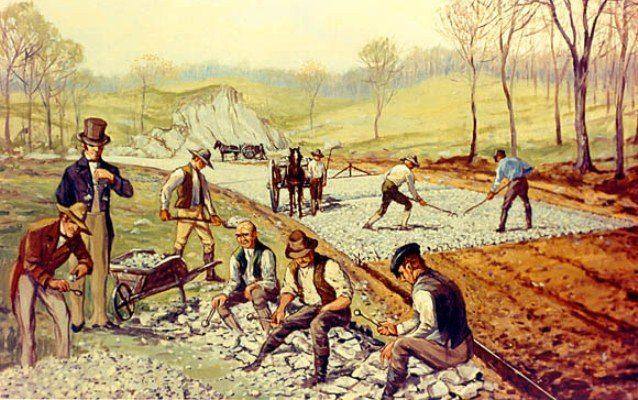
Following the end of the War of 1812, the United States underwent a transportation revolution. This transportation revolution came about as a result of Americans moving westward but also as more Americans moved into cities to engage in industrial work. Daniel Walker Howe, What Hath God Wrought: Transformation of America, 1815-1848, 212. (more…)

America’s reliance on cotton as an economic staple presented an opportunity for prosperity and an accompanying risk. In late 1818, the value of cotton fell as supply outpaced demand and “London banks decided there was no longer a need to extend more credit.” Daniel Walker Howe, What Hath God Wrought: Transformation of America, 1815-1848, 142. Then, the Second Bank of the United States, just two years into its life, “responded by shifting suddenly away from its own expansionist policy,” by the direction of William Jones, which only exacerbated the credit problem. See id. at 142-43. The Panic of 1819 erupted.

As nationalism was growing in the years following the War of 1812, achievements became more common and innovation was running rampant. In this environment, the Erie Canal was born.
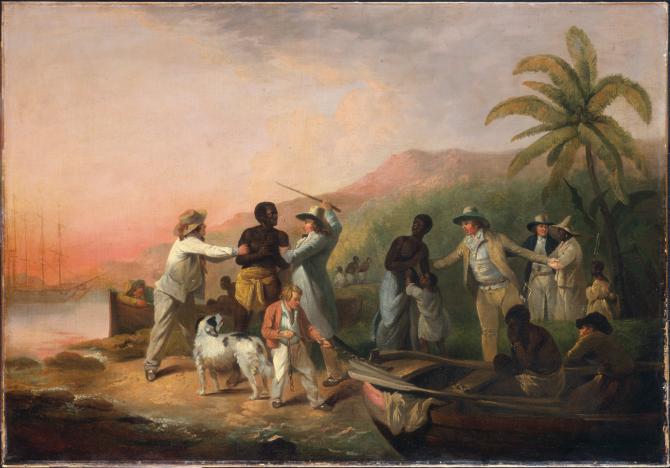
By 1815, America was already split between those states that were taking steps to eliminate slavery and those states who were fortifying their support of slavery. As the Founding Fathers had predicted, a chasm was beginning to open in the United States.

The debate surrounding the Constitution was as much a political and governmental debate as it was a social debate. The individuals who debated the Constitution, both for and against the Constitution, focused on the social aspect, making the disagreement “fundamentally one between aristocracy and democracy.” Gordon Wood, The Creation of the American Republic: 1776-1787, 485. (more…)

While during the American Revolution, the judiciary was mostly forgotten, in the interest of controlling gubernatorial power by empower legislatures, that began to change during the 1780s.

In the months leading up to the Declaration of Independence, the states began the process of adopting their own constitutions. These constitutions, being drafted in 1776, approximately 13 years before the United States Constitution would be ratified, had to confront many of the same issues as the United States Constitution, with various approaches being taken. (more…)
 Last Best Hope of Earth