Tag: North Carolina

  • The Civil War: Catherine Edmondston: Diary, December 27, 1860

    December 27, 1860

    Catherine Edmondston lived with her husband in North Carolina, and they operated a plantation there. During a visit to Aiken, South Carolina, to see her parents, she became a witness to the action surrounding South Carolina’s secession from the Union.

    (more…)
  • Tightening the Cordon

    Tightening the Cordon

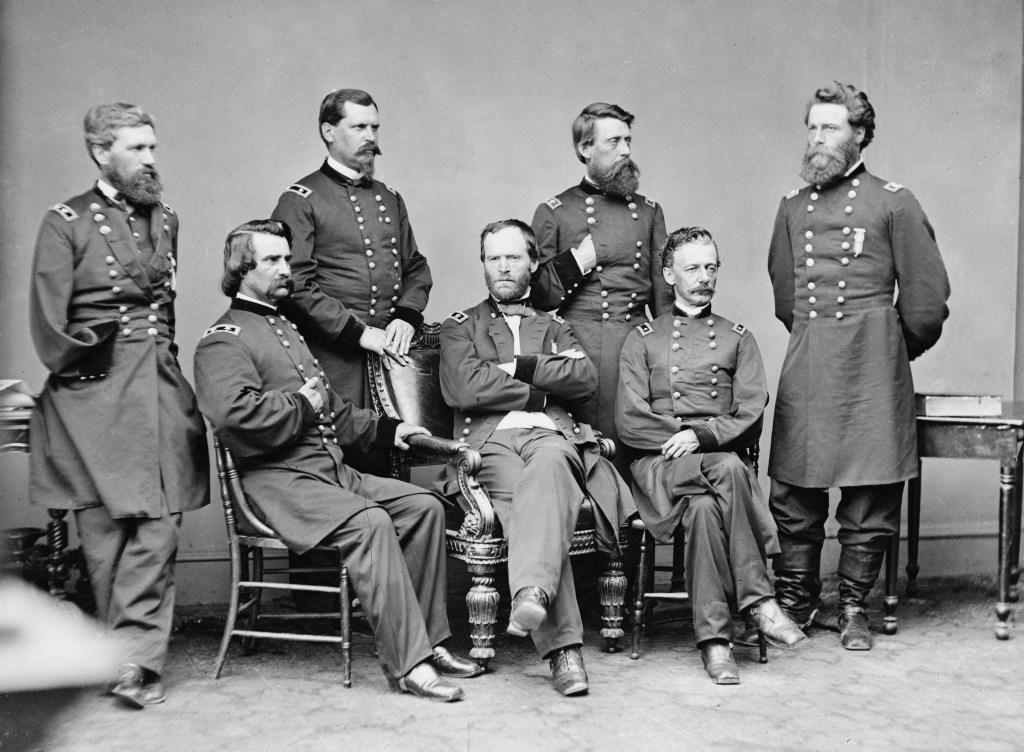
    By the end of 1864—with Union General William Tecumseh Sherman having cut his way through Georgia, Union General Ulysses S. Grant having confined Confederate General Robert E. Lee to a defensive position in Virginia, and President Abraham Lincoln having won his bid for re-election—the Confederacy was desperate for any sign of encouragement. While the rhetoric from Confederate President Jefferson Davis and Vice President Alexander Stephens had remained buoyant, and despite newspaper headlines throughout the South continuing to cheer for the cause, the Confederacy was nowhere near the crest it had enjoyed in 1863. Having lost the chance to put the Union on the defensive that year, the rebels now found their western and southern borders closing in on them. If ever there was going to be a negotiated peace, the chances of it occurring were rapidly diminishing as 1865 dawned. (more…)
  • The Preparedness of the Union and Confederacy

    The Preparedness of the Union and Confederacy

    At the outset of the Civil War, the discrepancies between the Union and Confederate armies were evident. Despite their differences in background and appearance, both sides were poised to not only revolutionize the American method of warfare but also to change life for civilians throughout the country. (more…)

  • On to Richmond

    On to Richmond

    Although the Confederacy had awakened the North’s spirit by initiating hostilities at Fort Sumter, both sides could have still hoped for reconciliation. While some advocated for immediate peace, others wished for a full prosecution of war against the South, viewing its expanding secession as nothing short of treason. By the end of spring 1861, there was a decisive answer to the question of whether there would soon be peace. (more…)

  • The Secession of the Deep South

    secession-hall-583x600
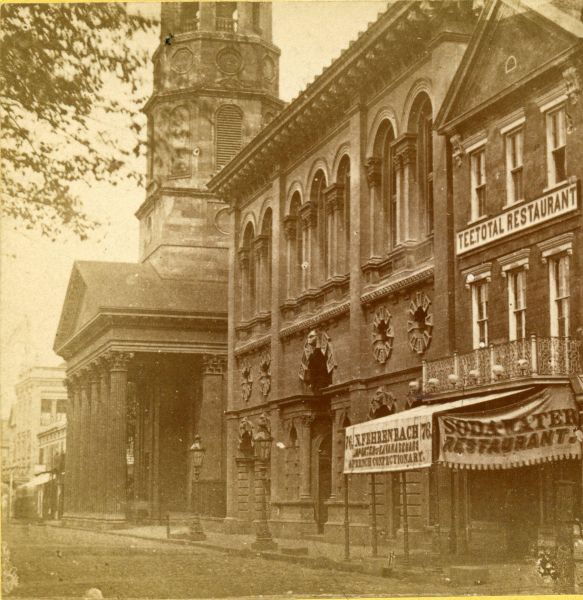
    Secession Hall in Charleston, South Carolina. Credit: The Civil War Trust.

    In the wake of the disconcerting result of the Election of 1860, the nature of southern secessionism suggested the imminent secession of at least some southern states from the Union. The timing and execution of states actually seceding from the Union was unclear, but the Deep South was prepared to act first. (more…)

  • The Precursor to the Winter of Secession

    168095
    Washington in 1860. Photographer Unknown.

    Abraham Lincoln’s victory in the Election of 1860 was disconcerting news for the South. It was the most recent event in a string of events that seemingly endangered the southern way of life and the future of the country. At a time when many northerners suspected southern threats of secession were but a bluff, there was evidence that the country had already split and the formalities were soon to follow. (more…)

  • The Election of 1860

    1860photo_uscapitol_washingtoncanalvisiblie
    The United States Capitol in 1860. Courtesy: Library of Congress

    Every presidential election is consequential, but the Election of 1860 would play a significant role in whether the United States would remain one nation. The division of the North and South on the issue of slavery threatened to cause a secession of the South. The result of the election would determine whether that threat would materialize and cause a Second American Revolution. (more…)

  • Jackson’s Removal of Native Americans

    chief-joseph
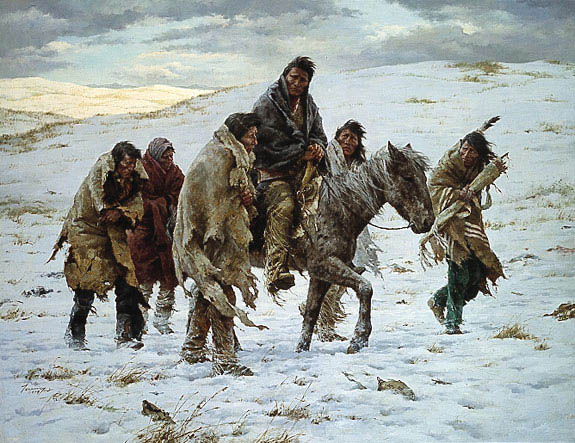
    Depiction of the Removal of Native Americans.

    In the first year of Andrew Jackson’s presidency, the removal of Native Americans from their lands became a top priority.

    (more…)

  • Introduction of the Seventh President

    jackson_first_inaugural
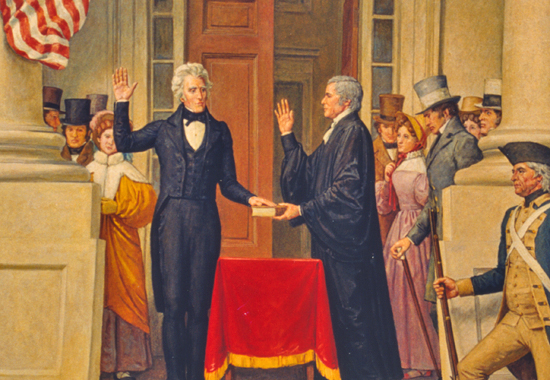
    Depiction of Andrew Jackson Taking the Oath of Office.

    Following the Election of 1828, Andrew Jackson was preparing to move into the White House, newly a widower and introducing a change in leadership.

    (more…)

  • The Tariff of Abominations

    Painted Portrait Of Martin Van Buren
    Martin Van Buren.

    Both President John Quincy Adams and Henry Clay were of the mindset that much could be accomplished in developing the American economy with the help of the government. Martin Van Buren had different ideas, however.

    (more…)