Tag: Ohio

  • The Civil War: Benjamin F. Wade: Remarks in the U.S. Senate

    The Civil War: Benjamin F. Wade: Remarks in the U.S. Senate

    December 17, 1860

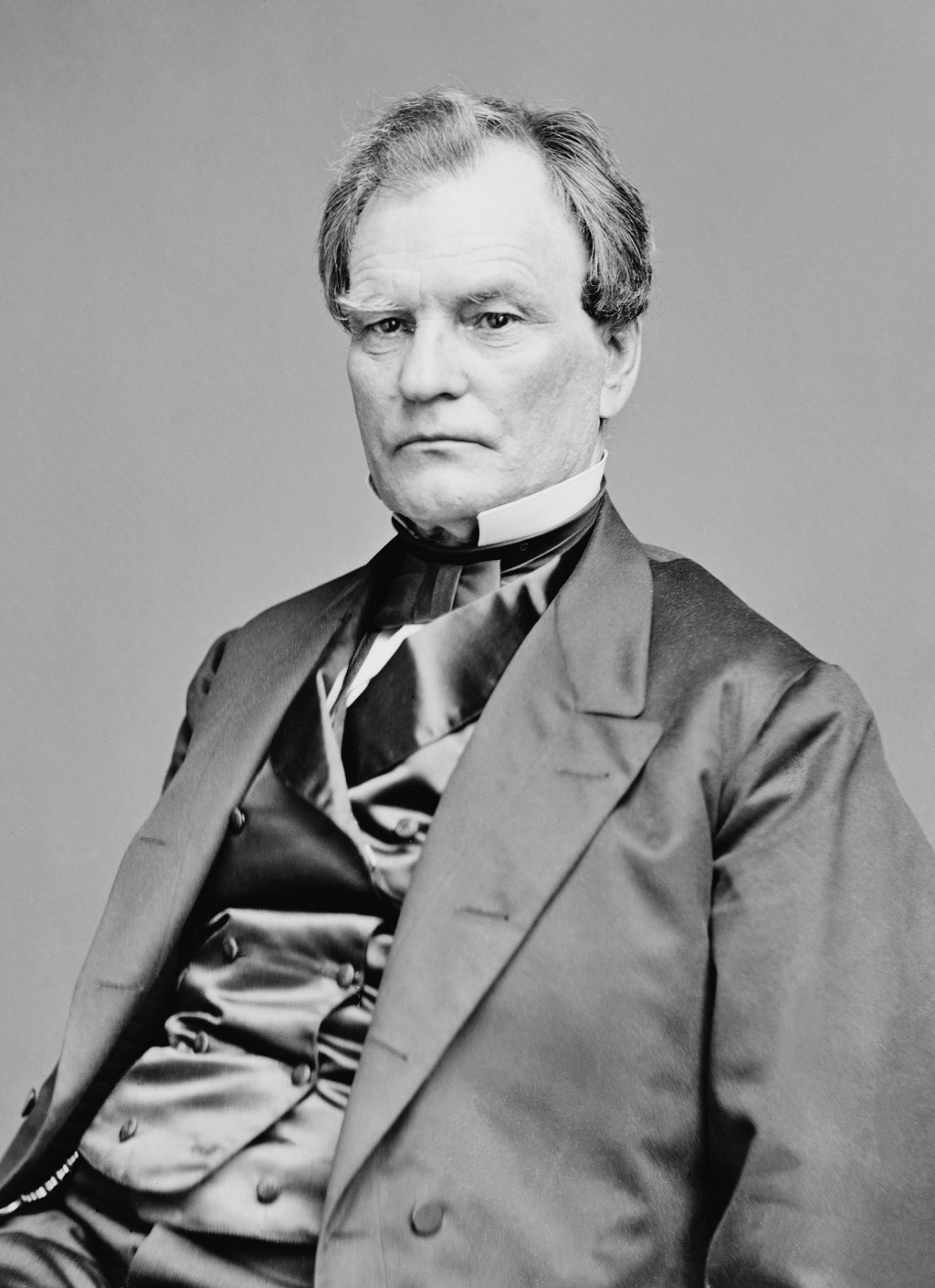
    Benjamin Wade, a Republican Senator from Ohio, rose to speak in the Senate. There were murmurs abound of averting the crisis—of stopping states from seceding from the Union. Some talked of forming a committee to explore the potential for a compromise between northern and southern states, even though no one knew what contours such a compromise could take. After all, for decades, Congress had been encapsulating compromises into bills, presidents had been signing those bills into law, and none of the laws resolved the tensions between the states.

    (more…)
  • Ulysses S. Grant: An American Hero

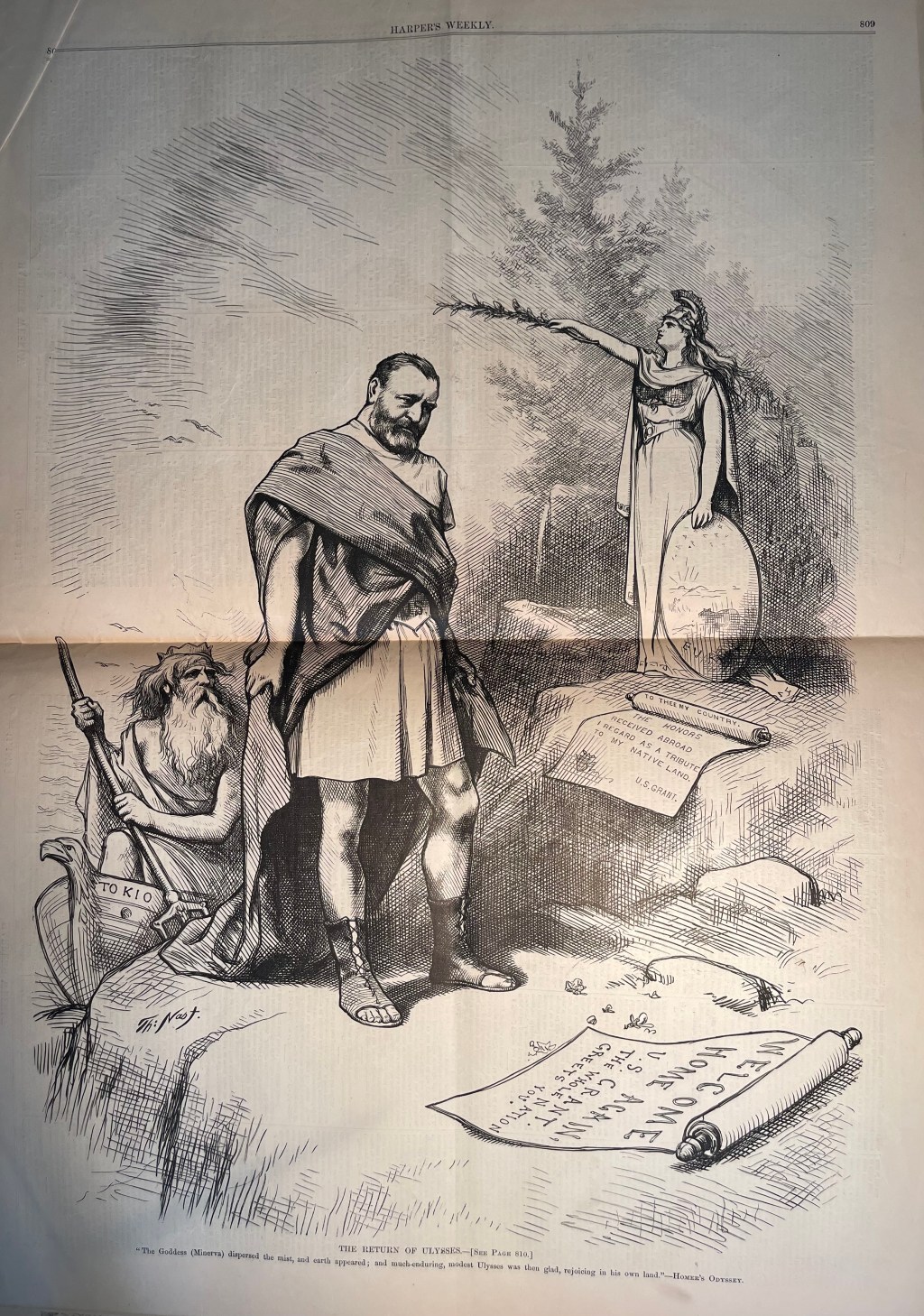
    Ulysses S. Grant: An American Hero


    As time passes and collective morals change, the legacies of prominent figures in American history often evolve. The context in which these individuals earned their place in American memory becomes increasingly difficult to uncover.

    (more…)
  • The Rise of James Garfield

    The Rise of James Garfield

    It was a time of oratory and a time when Ohioans became President. James Garfield was a product of the time. He was born into “a poor family” and “an intellectual in love with books.”[i] He attended the Western Reserve Eclectic Institute as a student and janitor, and by the following year, he became an assistant professor.[ii] Garfield was a man who treasured intellect. When William Dean Howells came to Garfield’s home in Hiram, Ohio in 1870, he sat on the porch and told a story about New England’s poets; Garfield “stopped him, ran out into his yard, and hallooed the neighbors sitting on their porches: ‘He’s telling about Holmes, and Longfellow, and Lowell, and Whittier.’”[iii] At a time when the Midwest fostered “a strong tradition of vernacular intellectualism” that manifested itself in “crowds for the touring lectures, the lyceums, and later the Chautauquas,” the neighbors gathered and listened “to Howells while the whippoorwills flew and sang in the evening air.”[iv]

    (more…)
  • The Assassination of James Garfield

    The Assassination of James Garfield

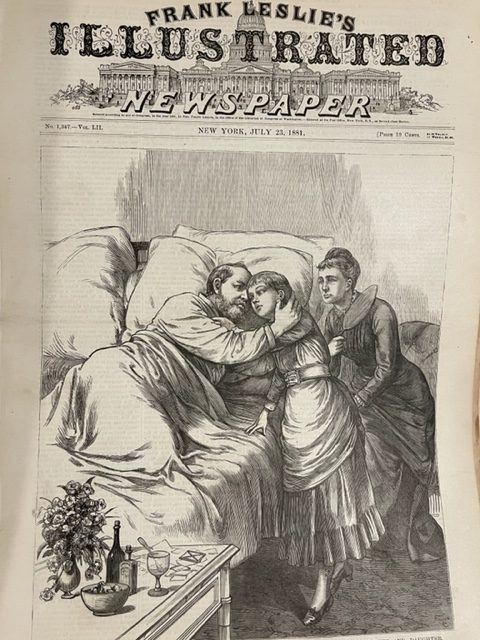
    In the late afternoon, during the summer, a thunderstorm rolled its way through the nation’s capital. Although it first had the effect of cooling the thick Washington air, the effect was fleeting. By 10 o’clock that night, the President could have hope for relief: a new apparatus—rumored to be quite effective against the oppressively humid air of India—had arrived. Staff assembled V-shaped troughs, made of zinc and “filled with ice and water,” and placed them under the windows of the President’s room.[i] The water lessened the humidity, and the ice cooled the air entering the room through the windows.[ii] The President’s pulse, temperature, and respiration satisfied his physicians, and there was optimism that “the worst was over.”[iii] It had been several weeks since the attempted assassination, and the 20th President of the United States, James Garfield, was having his secretaries attend to the pressing matters of the country as he rested.[iv] His wife and children visited his bedside, and his daughter, Mollie, “nestled her fresh face in his beard,” keeping her composure just as her mother did.[v] The President “kissed her and stroked her hair, and then she took a seat near her mother” when the “boys came in presently with manful bearing and remained a few minutes.”[vi] The cooling apparatus, the doctors said, was not giving “entire satisfaction,” and a new device—one that was “similar to that used in the mines to cool the air and send it into the chamber through the registers”—was set to be installed to relieve the President from his symptoms.[vii]

    (more…)
  • The Election of 1876

    The Election of 1876

    In celebrating America’s first centennial, on July 4, 1876, one must have recalled the tumult of that century: a war to secure independence, a second war to defend newly-obtained independence, and then a civil war the consequences of which the country was still grappling with eleven years after its end. But there also had been extraordinary success in that century, albeit not without cost; by the 100-year mark, the country had shown itself and the world that its Constitution—that centerpiece of democracy—was holding strong (with 18 Presidents, 44 Congresses, and 43 Supreme Court justices already having served their government by that time), and the country had expanded several times over in geographic size, putting it in command of a wealth of resources as its cities, industries, and agriculture prospered. Several months after the centennial celebration was the next presidential election, and during the life of the country, while most elections had gone smoothly, some had not—the elections of 1800 and 1824 were resolved by the House of Representatives choosing the victor as no candidate secured a majority of Electoral College votes and the election of 1860 was soon followed by the secession of Southern states. And yet, even with those anomalous elections in view, the upcoming election of 1876 was to become one unlike any other in American history.

    (more…)
  • The Election of 1864

    The Election of 1864

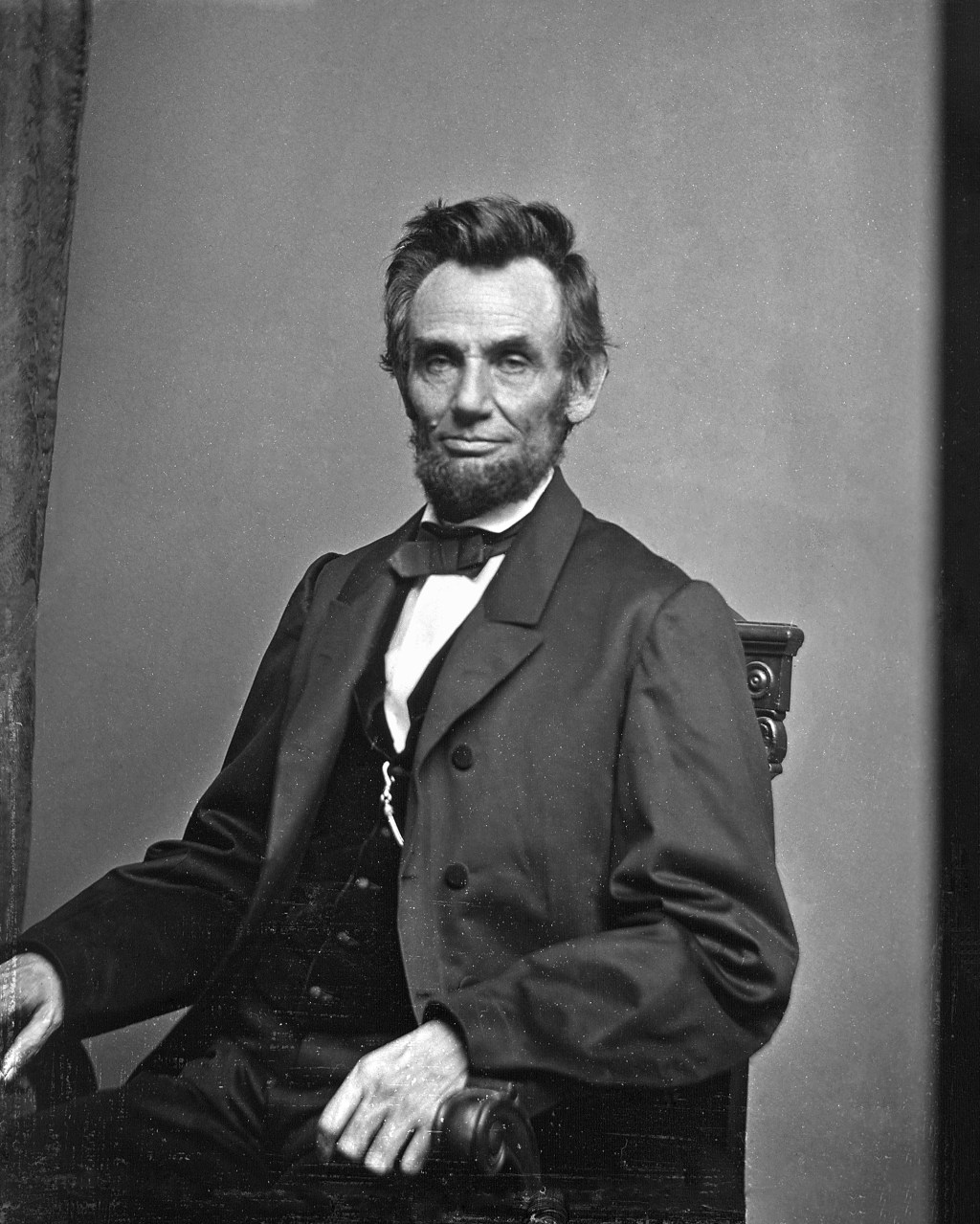
    The summer of 1864 was one of dismay for President Abraham Lincoln and his administration: throughout the Union, the appetite for war had rapidly shrunk; particularly as compared to the heady days of 1860 that ushered Lincoln into the White House. While some voters in the North saw the continued prosecution of the war as nothing more than an attempt to manifest Lincoln’s wish to abolish slavery—and therefore a war not worth fighting—others had naturally, in view of the mounting casualties, developed a fatigue for war and, if they had a choice in the matter, would have opted for a negotiated peace. If Lincoln were to lose the election—so the argument ran—then families could be reunited and the violence could come to an end. For Confederates, northern voter despair was precisely the ingredient that was needed in the giant pot that was political discourse in the Union, but it was not all that was needed: the rebels had dreamt of forcing a negotiated peace, and now, with the election in sight, they had hope that Lincoln would be voted out and the war could be brought to a favorable end. (more…)

  • The Awakened Giant

    The Awakened Giant

    The news from Fort Sumter spread throughout the country, and its coming awakened a restless energy in the North. That energy ignited patriotism and a new sense of collectivism throughout northern cities and states that would lead to a then-unparalleled war effort directed against the Confederacy. (more…)

  • The Civil War: An Introduction

    Few events in American history rival the magnitude and luridness of the Civil War, with its seemingly innumerable tales of sacrifice and Shakespearean drama. Each generation, from the War’s conclusion in 1865 to present, has taken up the task of dissecting and analyzing its causes and effects to discern its many lessons and to engage in a great deal of introspection as to the meaning of the War and being an American citizen. The War’s impact on American life continues to the present day. Its impact just after the midpoint of the 19th Century could hardly be overstated: if the Revolutionary War secured the existence of the states and if the War of 1812 created a sense of nationalism amongst the inhabitants of those states, the Civil War represented the fragility and value of the national union that the various states formed. (more…)

  • The Election of 1860

    1860photo_uscapitol_washingtoncanalvisiblie
    The United States Capitol in 1860. Courtesy: Library of Congress

    Every presidential election is consequential, but the Election of 1860 would play a significant role in whether the United States would remain one nation. The division of the North and South on the issue of slavery threatened to cause a secession of the South. The result of the election would determine whether that threat would materialize and cause a Second American Revolution. (more…)

  • The Obstinacy of the North and South

    enhanced-28733-1444703692-1
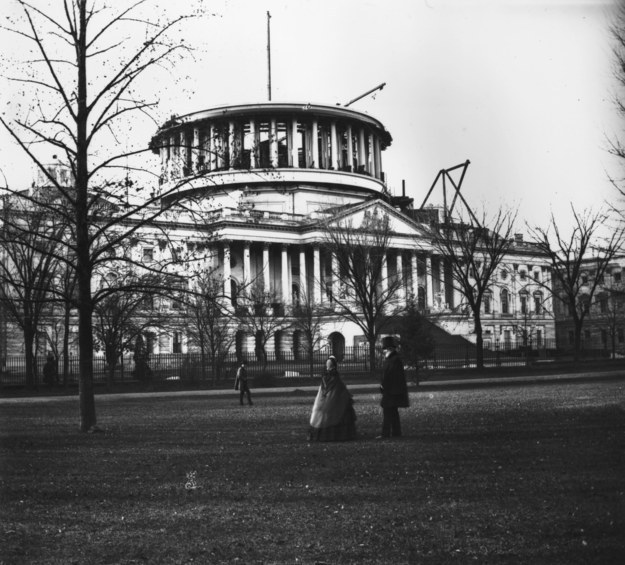
    Construction on the Capitol in 1859. Courtesy: William England, Getty Images.

    By 1859, the northern and southern sections of America had developed different economic systems, cultural norms, and approaches to permitting slavery. Congress and the political parties had been able to overlook those differences for the sake of self-preservation and advancement of the collective agenda. As 1859 concluded and 1860 sprang, Americans understood that the status quo of compromise was not to continue much longer. (more…)