Tag: Panic of 1837

  • The Webster-Ashburton Treaty of 1842

    daniel_webster_-_circa_1847
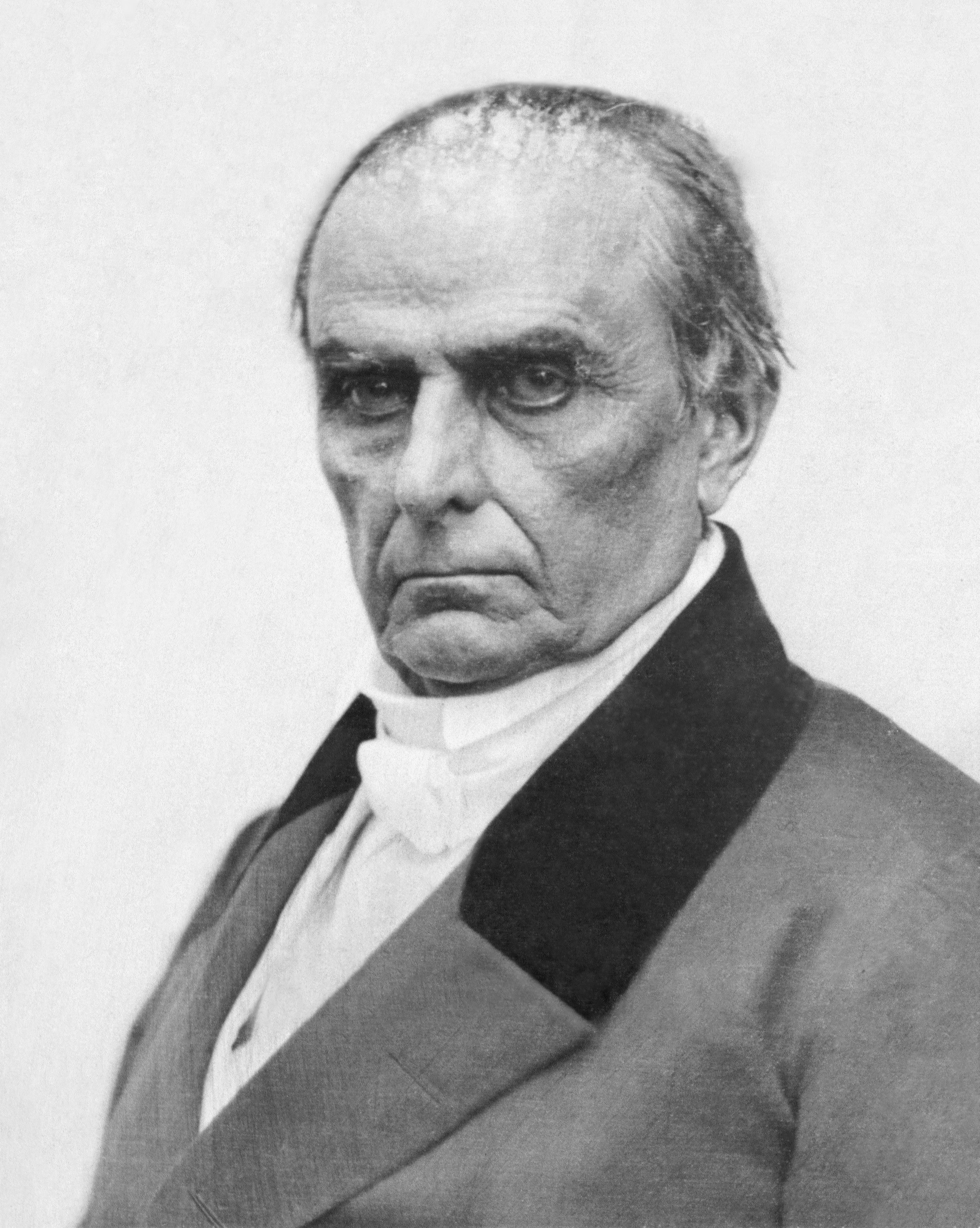
    Daniel Webster.

    Daniel Webster, the Secretary of State under President John Tyler, brought a breadth of experience and dignity to the office, but he also brought “a different perspective on Anglo-American relations.” Daniel Walker Howe, What Hath God Wrought: Transformation of America, 1815-1848, 672.

    (more…)

  • The Emergence of Bankruptcy

    10010743373
    The Bankruptcy Act of 1841.

    In the wake of the Panics of 1837 and 1839, Congress sent the White House a new bill to be signed into law: The Bankruptcy Act of 1841. See Daniel Walker Howe, What Hath God Wrought: Transformation of America, 1815-1848, 593. From then on, bankruptcy would be part of American life, providing an option for when debts become overwhelming.

    (more…)

  • Election of 1840: The Campaign

    harrisonlogcabincampaign
    Depiction of William Henry Harrison with a Log Cabin and Hard Cider.

    As was customary until 1904, an incumbent president did not campaign openly for his re-election. This was true for President Martin Van Buren as well. See Daniel Walker Howe, What Hath God Wrought: Transformation of America, 1815-1848, 573.

    (more…)

  • The Railroad Revolution

    dewitt_clinton_28locomotive29
    A Depiction of the Replica of the Dewitt Clinton, an American-made Locomotive.

    Following the Panics of 1837 and 1839, America began rapidly expanding a new innovation: the railroad. While this would seem to have brought the country together, in fact, it increased sectionalism, creating more tension between the North and the South. Daniel Walker Howe, What Hath God Wrought: Transformation of America, 1815-1848, 569.

    (more…)

  • Corporations in the 1830s and 1840s

    founders_of_the_baltimore_and_ohio_railroad
    The Founders of the Baltimore and Ohio Railroad. By: Francis Blackwell Mayer.

    Following the Panics of 1837 and 1839, the American government and Americans generally had developed a skepticism about corporations. Some states even “rewrote their constitutions in the 1840s” to forbid their state government from stock ownership. See Daniel Walker Howe, What Hath God Wrought: Transformation of America, 1815-1848, 557.

    (more…)

  • The Aftermath of the Panics

    rmth-standingright
    Robert M.T. Hunter, Speaker of the House.

    Amidst the Panics of 1837 and 1839, the Whigs enjoyed significant gains in Congress, which led to Robert M.T. Hunter, a pro-states’ rights southerner, becoming Speaker of the House. Daniel Walker Howe, What Hath God Wrought: Transformation of America, 1815-1848, 506. Further, besides the changing composition of Congress, the federal government’s policies would change, as a result of the Panics.

    (more…)

  • The Panic of 1839

    martinvanburen
    Martin Van Buren.

    Not long after the Panic of 1837 had set in and gripped America’s economy, a second shock came: the Panic of 1839.

    (more…)

  • The Panic of 1837

    1724403_orig
    A Political Cartoon About the Panic of 1837.

    In Martin Van Buren’s inaugural address, in March of 1837, he boasted of the prosperity and expansion of commerce that had occurred under his predecessor, Andrew Jackson. Just months later, the Panic of 1837 would begin. Daniel Walker Howe, What Hath God Wrought: Transformation of America, 1815-1848, 502.

    (more…)