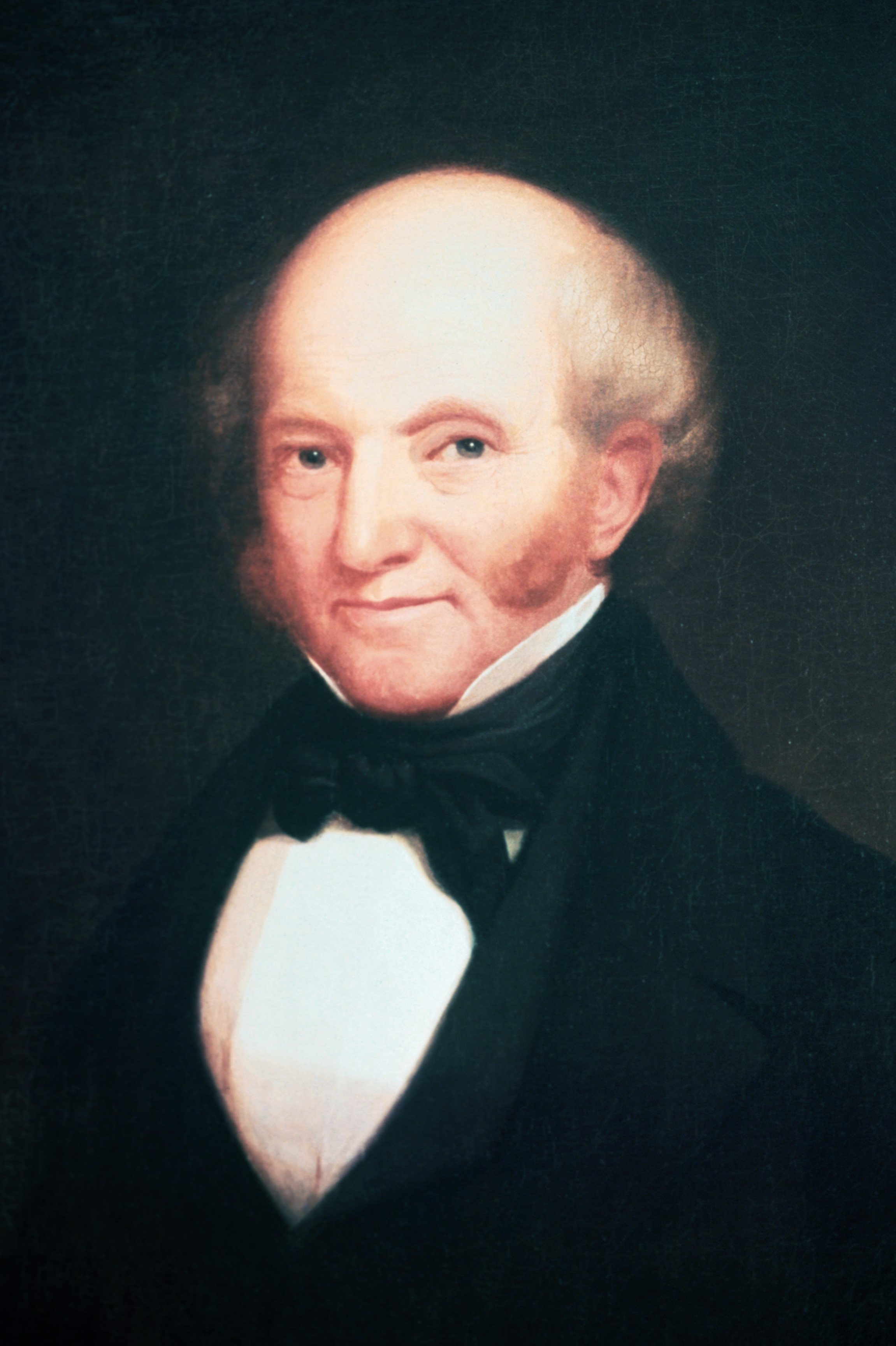
Both President John Quincy Adams and Henry Clay were of the mindset that much could be accomplished in developing the American economy with the help of the government. Martin Van Buren had different ideas, however.
Both President John Quincy Adams and Henry Clay were of the mindset that much could be accomplished in developing the American economy with the help of the government. Martin Van Buren had different ideas, however.

Not long after the election of 1820, an essentially uncontested election seeing the re-election of President James Monroe, the campaigning for the election of 1824 began. President Monroe had indicated that he would not seek an unprecedented third term as president, but that did not stop others from posturing for the election. As a journalist observed in the spring of 1822, “electioneering begins to wax hot.” Daniel Walker Howe, What Hath God Wrought: Transformation of America, 1815-1848, 203 quoting James F. Hopkins, “Election of 1824,” in History of American Presidential Elections, ed. Arthur M. Schlesinger Jr. (New York, 1985), 363.

The social structure of America was being turned upside down during the Revolution. As James Otis warned in 1776: “When the pot boils, the scum will rise.” John Eliot to Jeremy Belknap, Jan. 12, 1777, Belknap Papers, 104.
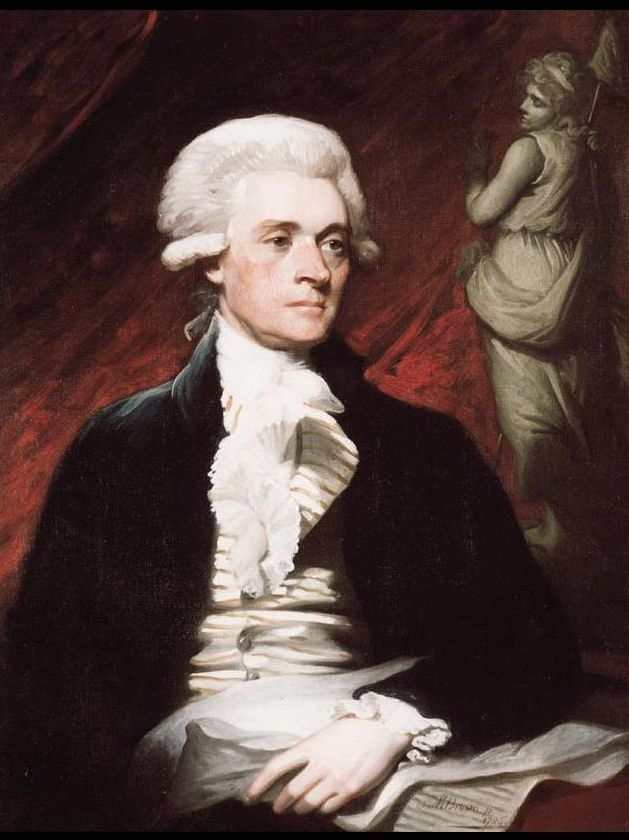
In the 1780s, there began to be a distinct erosion of the doctrine of separation of powers.
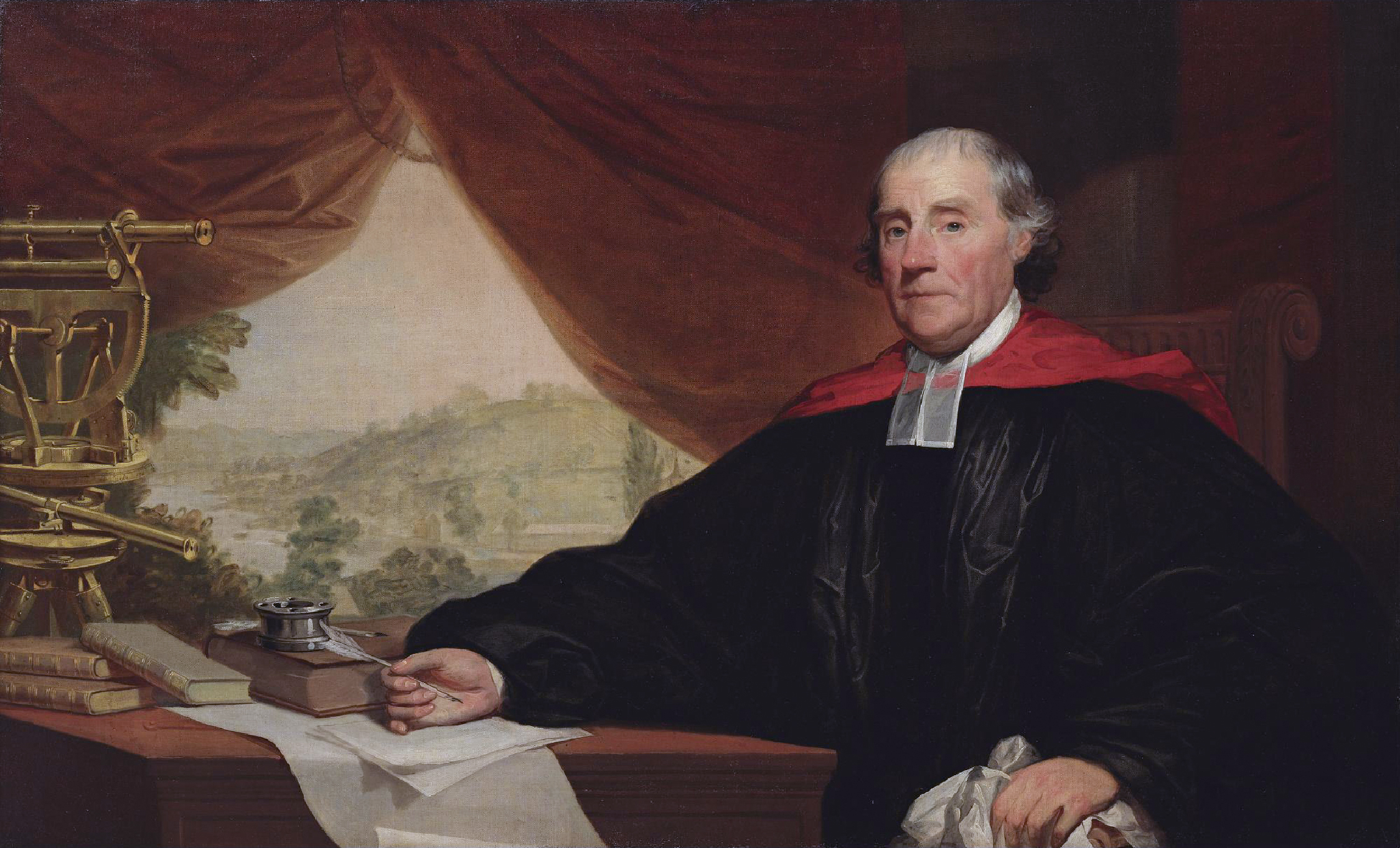
In Pennsylvania, extraordinary events were transpiring that would shape how people expressed their will. William Smith (“Cato”) and a group of individuals, led by James Cannon (“Cassandra”) in 1776, debated the issue of how institutions should reflect the people’s will, given the Radical Political Experiment unfolding in Pennsylvania.

Prior to the American Revolution, the colonists had become familiar with the concept of charters. Charters, whether royal, corporate, or proprietary, operated “as the evidence of a compact between an English King and the American subjects.” Gordon Wood, The Creation of the American Republic: 1776-1787, 268; see also Leonard Krieger, The Politics of Discretion: Pufendorf and the Acceptance of Natural Law (Chicago, 1965), 121.

While an upper house of state legislatures was desirable to some, as explained in The Birth of the Senate, it also had its detractors. Those detractors argued that it was a mere redundancy, wholly irrelevant to the founding of a stable government. In taking that position, the detractors ignored many of the benefits of having a second house in the legislature.

Pennsylvania was the home of the “most radical ideas about politics and constitutional authority voiced in the Revolution.” Gordon Wood, The Creation of the American Republic: 1776-1787, 226. This resulted in a “comprehensive examination of assumptions about government that elsewhere were generally taken for granted” and it resulted in one of the greatest experiments in politics up to that time. Id.

As touched on in Unalterable Constitutions, Americans began resorting to conventions for amending their state constitutions, and this was only one example of Americans looking to advance their causes outside of the bounds of government. See Gordon Wood, The Creation of the American Republic: 1776-1787, 310. This was not a novel approach, however, and it was not the only approach that Americans were increasingly taking to advance their interests.

As the constitutions of the states were implemented and executed during the Revolutionary years, the population began holding conventions for amendment of those constitutions, believing that “Legislatures were incompetent” to do so. Gordon Wood, The Creation of the American Republic: 1776-1787, 306 quoting Farrand, ed., Records of the Federal Convention, II, 91-93. In fact, James Madison believed that “it would be a novel and dangerous doctrine that a Legislature could change the constitution under which it held its existence.” Id.
 Last Best Hope of Earth