
The American Revolution changed political theory and government. At the heart of that change was the empowerment of the people, which continues to present day America.
The American Revolution changed political theory and government. At the heart of that change was the empowerment of the people, which continues to present day America.
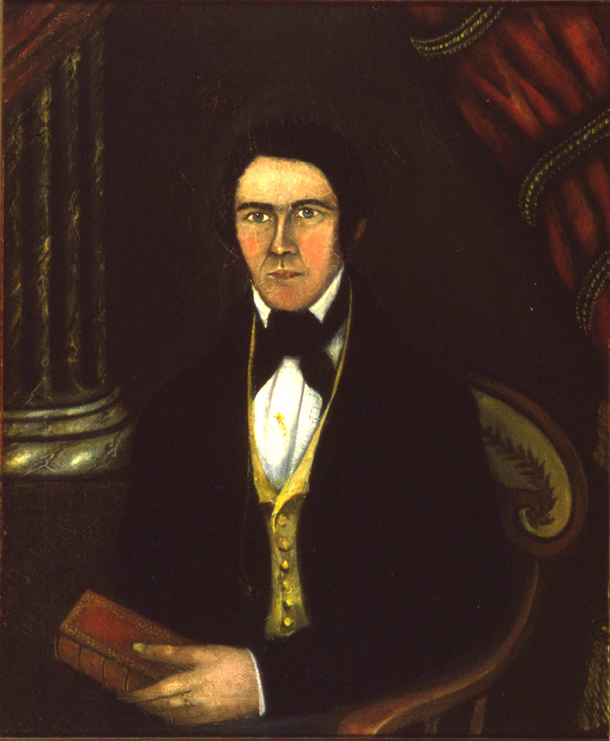
Thomas Paine described the Constitution as “not a thing in name only; but in fact . . . . It is the body of elements, to which you can refer, and quote article by article; and which contains . . . every thing that relates to the complete organization of a civil government, and the principles on which it shall act, and by which it shall be bound.” Paine, Rights of Man, Foner, ed., Writings of Paine, I, 278.
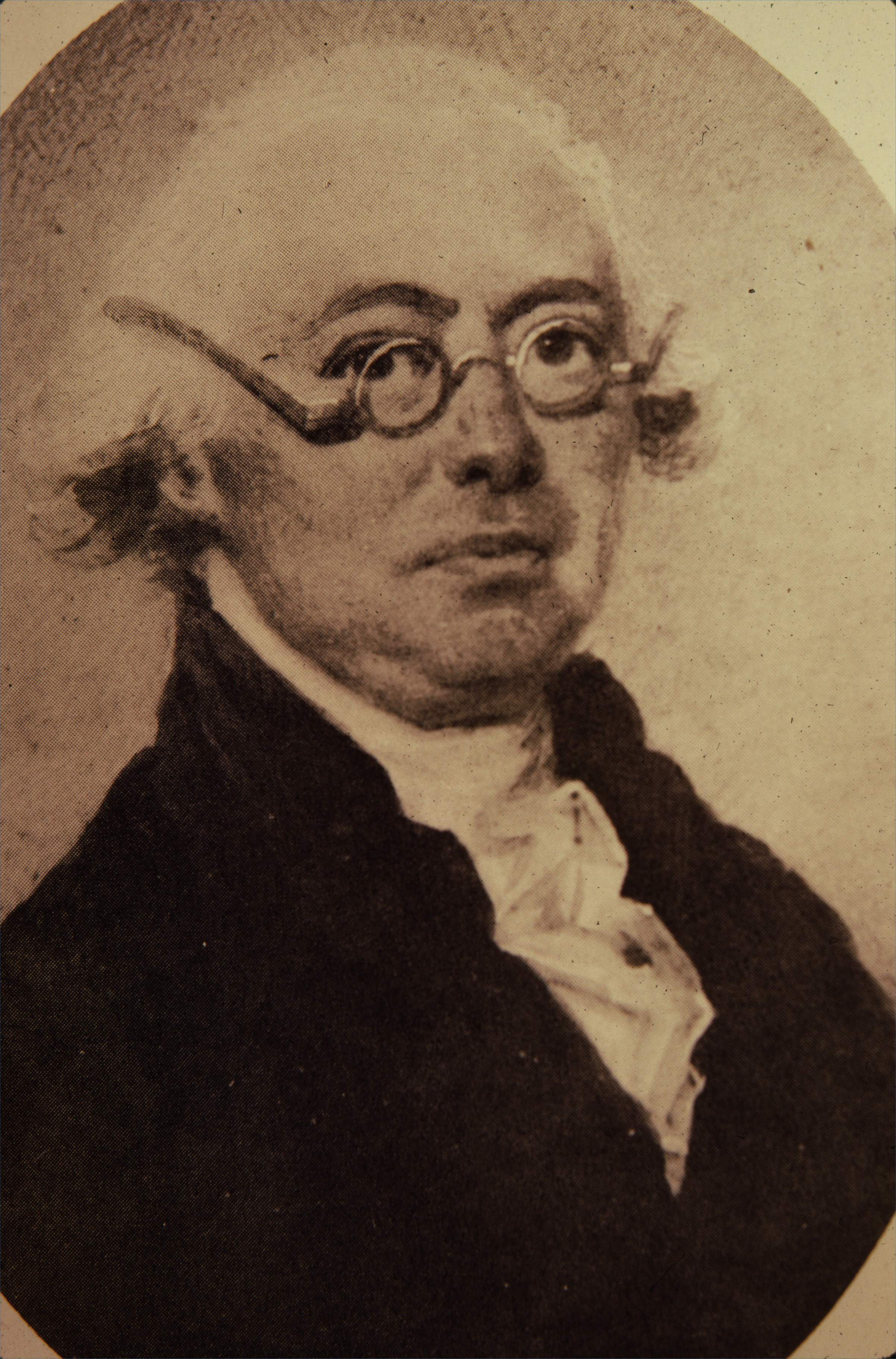
The political theory that emerged from the Revolution and the debates surrounding the Constitution was not “a matter of deliberation as it was a matter of necessity.” Gordon Wood, The Creation of the American Republic: 1776-1787, 593.

Despite the optimism surrounding the Revolution, John Adams had taken a different tact.
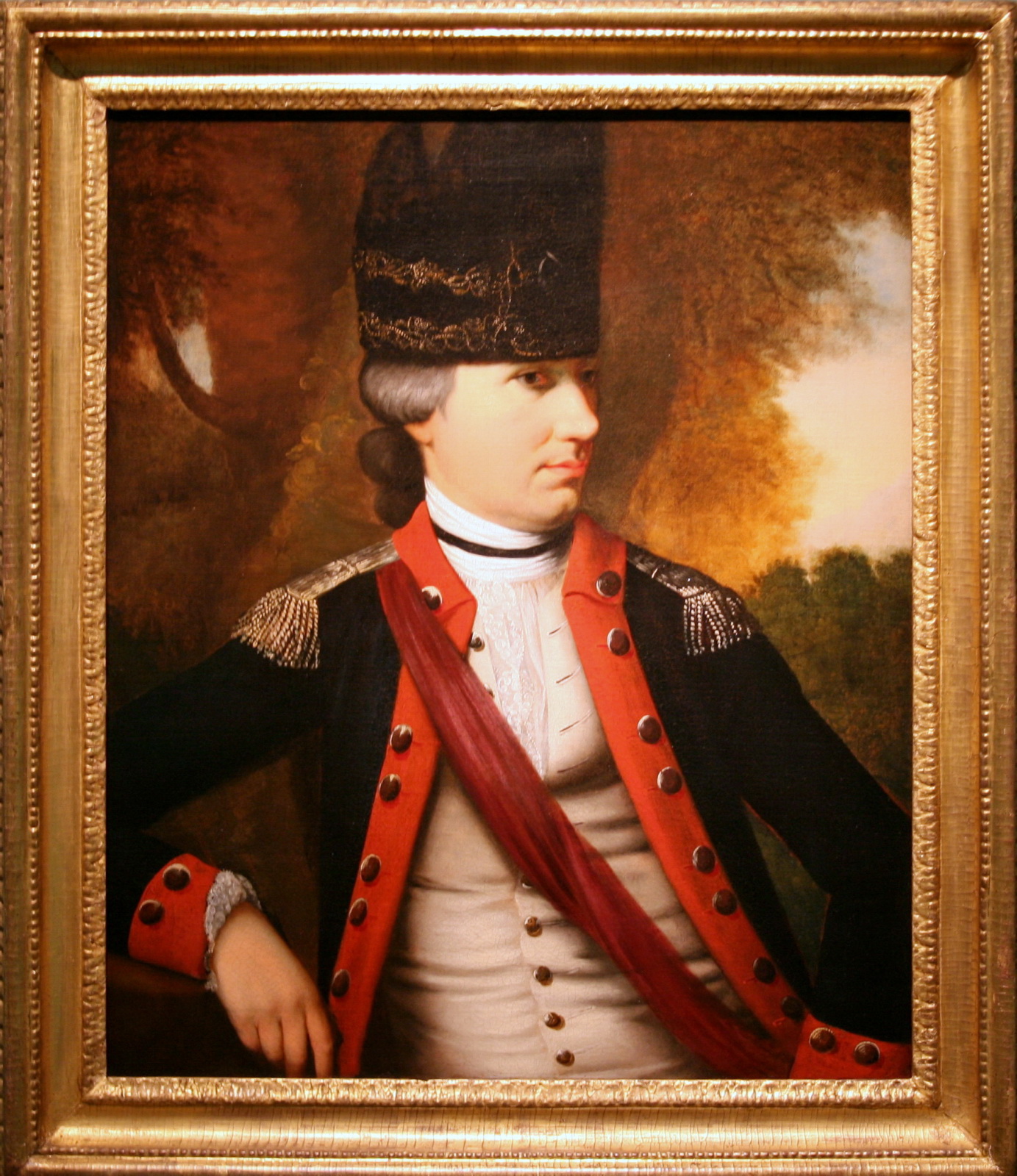
Looking to the state governments’ creation of their respective senates, as explained in The Birth of the Senate, the creation of the Senate in the Constitution was a given, when the Constitutional Convention began. See Gordon Wood, The Creation of the American Republic: 1776-1787, 553.

Because the Federalists outmaneuvered the Antifederalists in presenting the Constitution to the American people, the Antifederalists faced a predicament of what to do. As Richard Henry Lee stated, many who wished to change the federal structure of government realized that they had to accept “this or nothing.” Gordon Wood, The Creation of the American Republic: 1776-1787, 547 quoting Lee to Mason, Oct. 1, 1787, Ballagh, ed., Letters of R. H. Lee, II, 438. The Antifederalists were more or less forced to “attack the federal government in those mechanical Enlightenment terms most agreeable to the thought of the Federalists: the division and balancing of political power,” otherwise known as separation of powers. Gordon Wood, The Creation of the American Republic: 1776-1787, 548.

The debate surrounding the adoption of the Bill of Rights revealed to many Americans the stark differences between Federalists and Antifederalists. Edmund Pendleton, in the Virginia Convention, stated that opposition to the Constitution “rested on ‘mistaken apprehensions of danger, drawn from observations on government which do not apply to us.’” Gordon Wood, The Creation of the American Republic: 1776-1787, 543 quoting Pendleton (Va.), in Elliot, ed., Debates, III, 36-37. Pendleton pointed out that many governments in the world were ruled by dictators. Id. Those governments had “bred hostility between ‘the interest and ambition of a despot’ and ‘the good of the people,’ thus creating ‘a continual war between the governors and the governed.’” Id. Pendleton believed that these beliefs led Antifederalists to demand a bill of rights and to have other unfounded fears about the Constitution. Id.

Capturing the spirit of the Declaration of Independence, the Constitution was expressing “the inherent and unalienable right of the people” to determine their system of government. Gordon Wood, The Creation of the American Republic: 1776-1787, 535 quoting Wilson, in McMaster and Stone, eds., Pennsylvania and the Federal Constitution, 317.

Coming out of the Philadelphia Convention, many Americans had different perspectives about what had transpired and how effective the Constitution could be as a governing document.
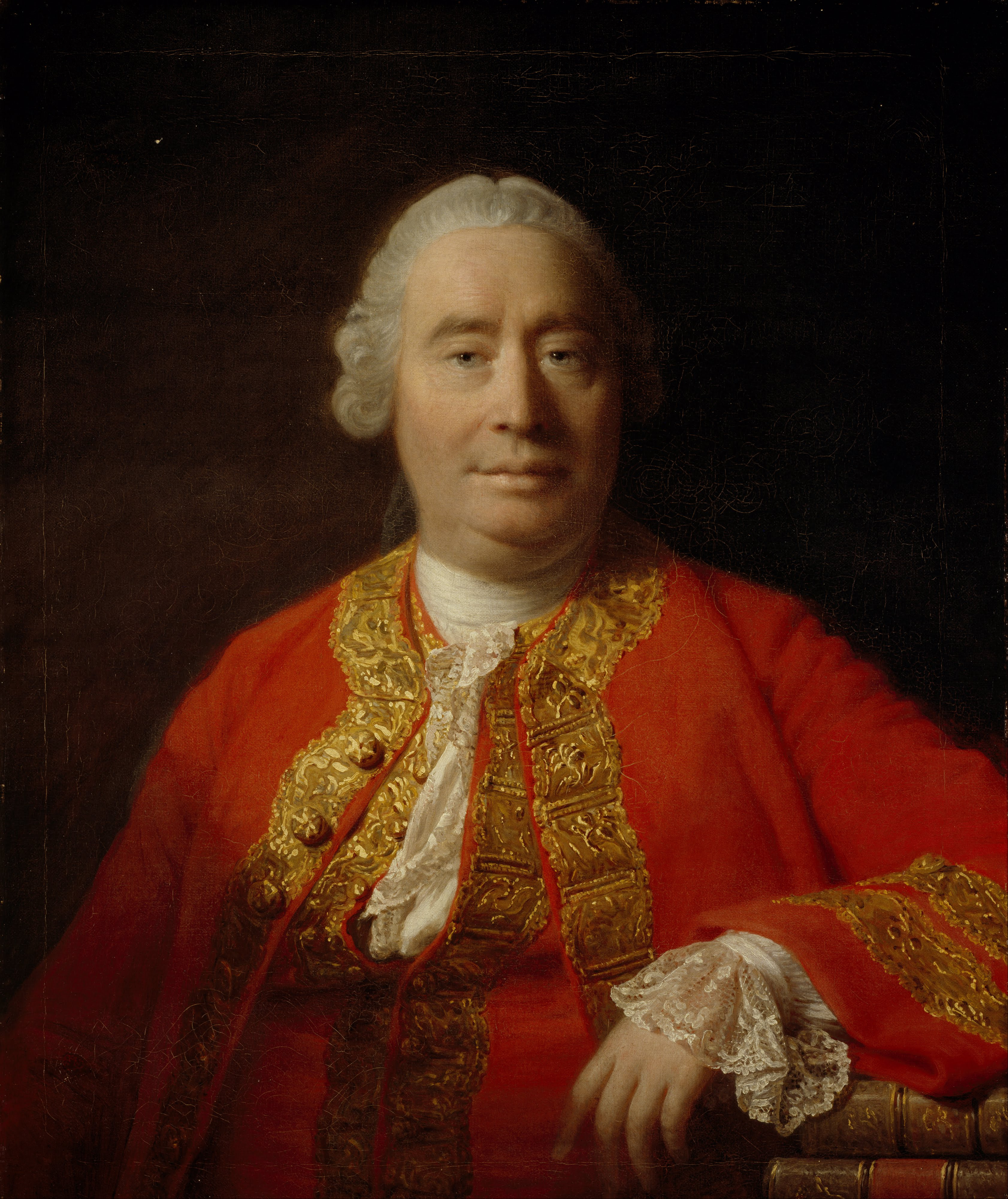
Because the American Revolution was leading to a breakdown of the traditional social distinctions of the Eighteenth Century, groups of individuals were becoming increasingly empowered. Groups, based on “social, economic, and religious interests” were emerging. Gordon Wood, The Creation of the American Republic: 1776-1787, 501.
 Last Best Hope of Earth