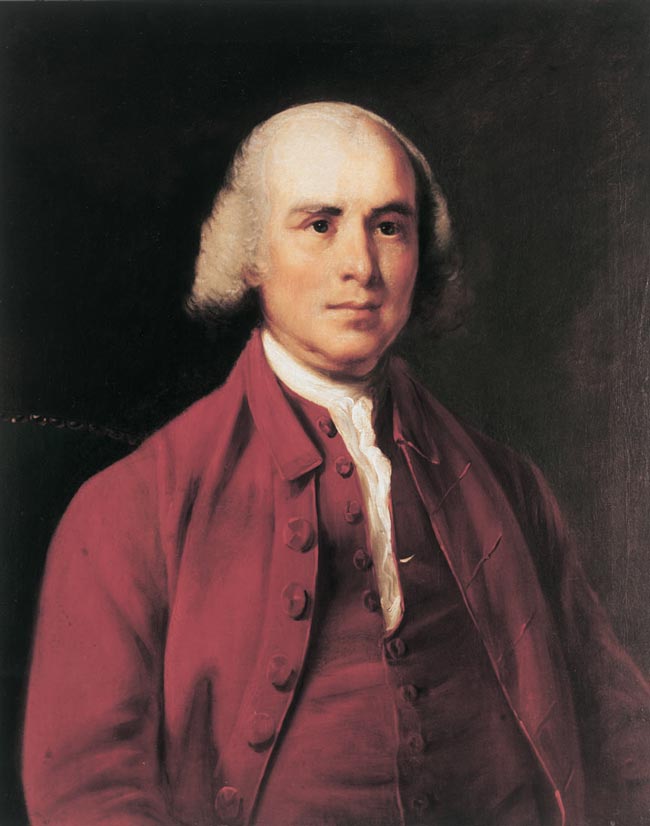
James Madison had extensive beliefs about the structure of American government and the sustainability of the system.
James Madison had extensive beliefs about the structure of American government and the sustainability of the system.
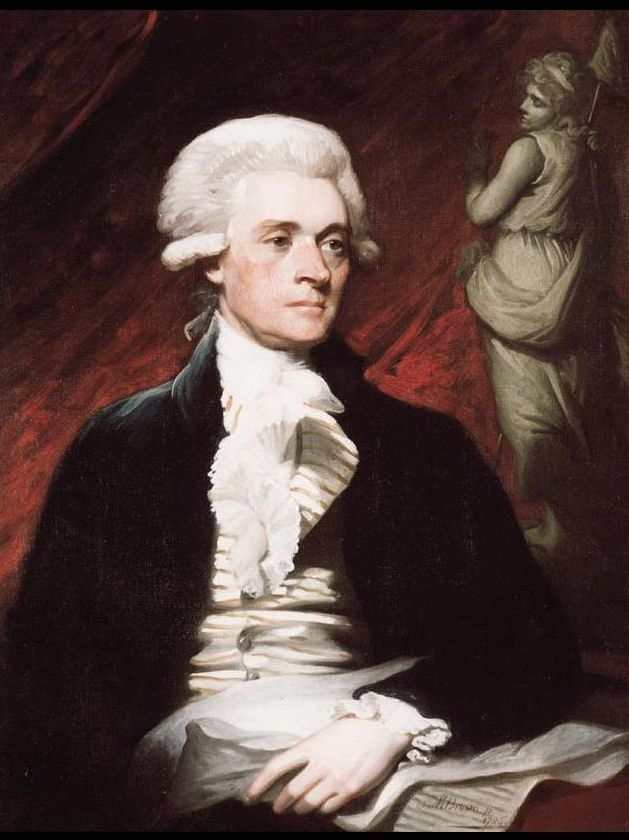
In the 1780s, there began to be a distinct erosion of the doctrine of separation of powers.
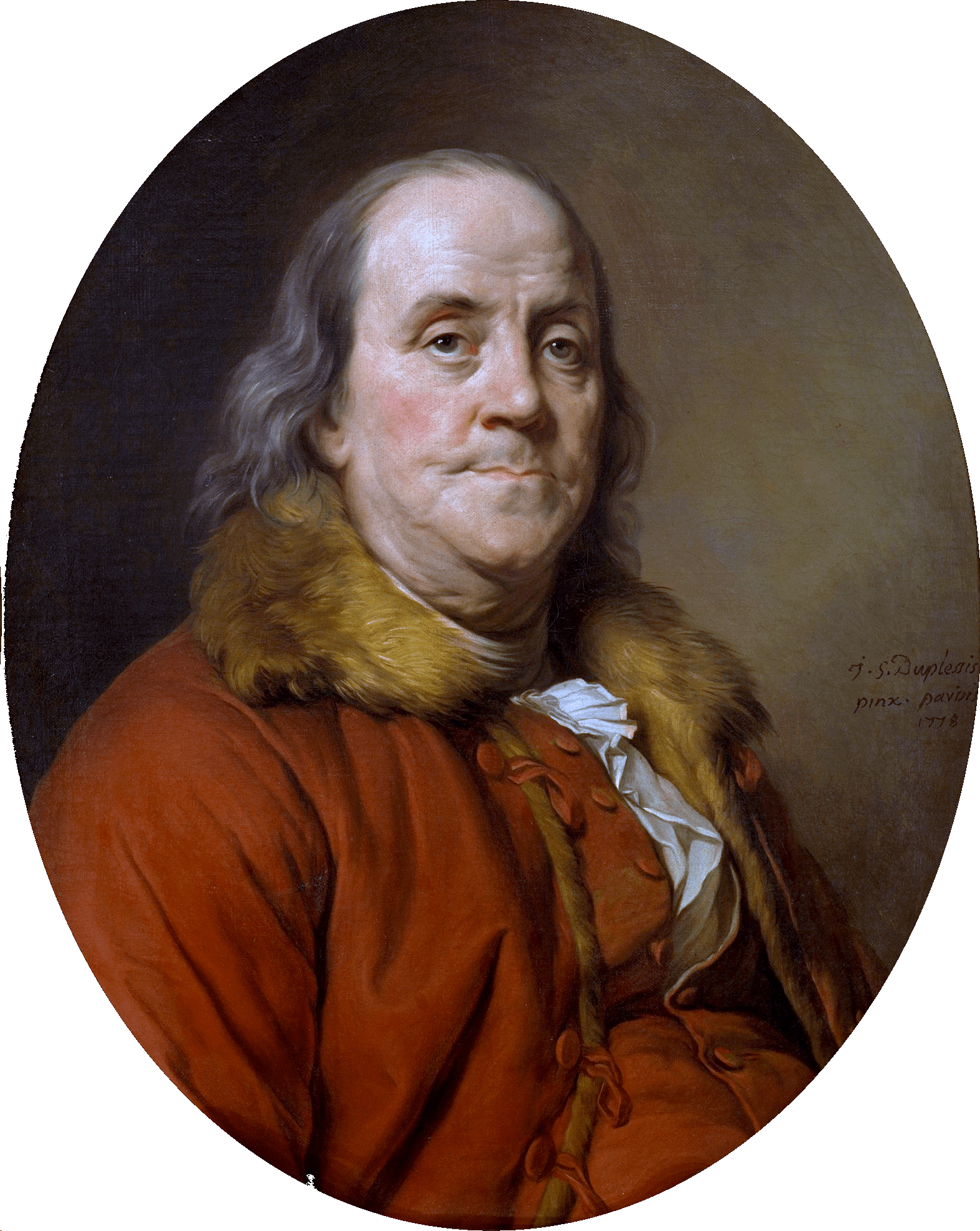
Americans’ political beliefs were rapidly changing as the American Revolution progressed into the early years of the Republic. In fact, those beliefs were “constantly in flux, continually adapting and adjusting to ever-shifting political and social circumstances.” Gordon Wood, The Creation of the American Republic: 1776-1787, 438.

While an upper house of state legislatures was desirable to some, as explained in The Birth of the Senate, it also had its detractors. Those detractors argued that it was a mere redundancy, wholly irrelevant to the founding of a stable government. In taking that position, the detractors ignored many of the benefits of having a second house in the legislature.
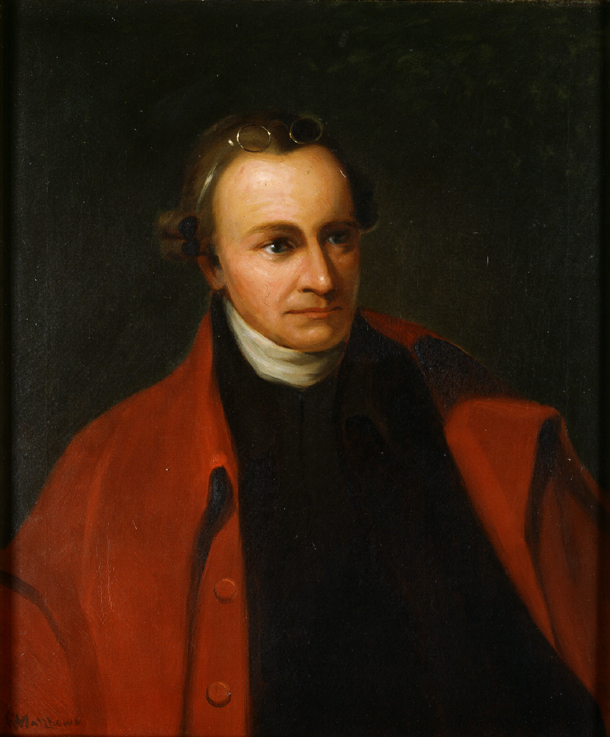
As eluded to in Virtue as a Principle and Foundation, vices had come to plague American society shortly after the American Revolution. Patrick Henry said, in 1780, that he “feared that our Body politic was dangerously sick,” as from top to bottom, society appeared to be embracing vice. Patrick Henry to Jefferson, Feb. 15, 1780, Boyd, ed., Jefferson Papers, III, 293.

While there were perceptions that America was suffering from a malaise in the 1780s, the political theory at the time had an explanation: licentiousness.

Pennsylvania was the home of the “most radical ideas about politics and constitutional authority voiced in the Revolution.” Gordon Wood, The Creation of the American Republic: 1776-1787, 226. This resulted in a “comprehensive examination of assumptions about government that elsewhere were generally taken for granted” and it resulted in one of the greatest experiments in politics up to that time. Id.
Conservatives and liberals during the Revolutionary years realized that democracy must have power distributed throughout various sources, known as a mixed government, so as to survive.

As the American Revolution approached “most Americans had become convinced that they were ‘aptly circumstanced to form the best republicks, upon the best terms that ever came to the lot of any people before us.’” Gordon Wood, The Creation of the American Republic: 1776-1787, 98 quoting Phila. Pa. Packet, Feb. 12, 1776; Purdie’s Wmsbg. Va. Gazette, May 17, 1776.

Ancient Rome and Ancient Greece were intertwined with the American Revolution and the establishment of the American republic.
 Last Best Hope of Earth