Tag: Racism

  • The Civil War: Benjamin F. Wade: Remarks in the U.S. Senate

    The Civil War: Benjamin F. Wade: Remarks in the U.S. Senate

    December 17, 1860

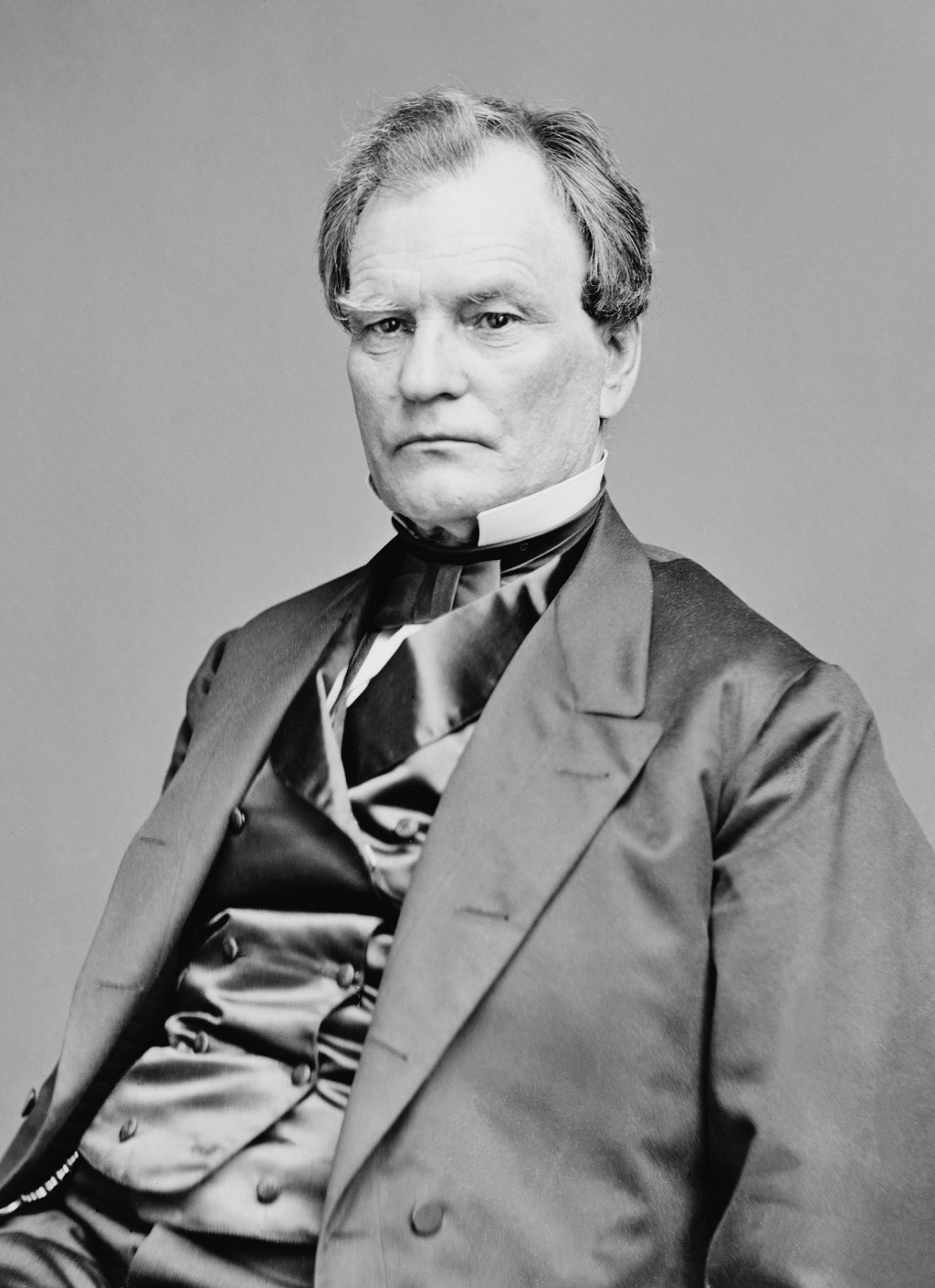
    Benjamin Wade, a Republican Senator from Ohio, rose to speak in the Senate. There were murmurs abound of averting the crisis—of stopping states from seceding from the Union. Some talked of forming a committee to explore the potential for a compromise between northern and southern states, even though no one knew what contours such a compromise could take. After all, for decades, Congress had been encapsulating compromises into bills, presidents had been signing those bills into law, and none of the laws resolved the tensions between the states.

    (more…)
  • The Obstinacy of the North and South

    enhanced-28733-1444703692-1
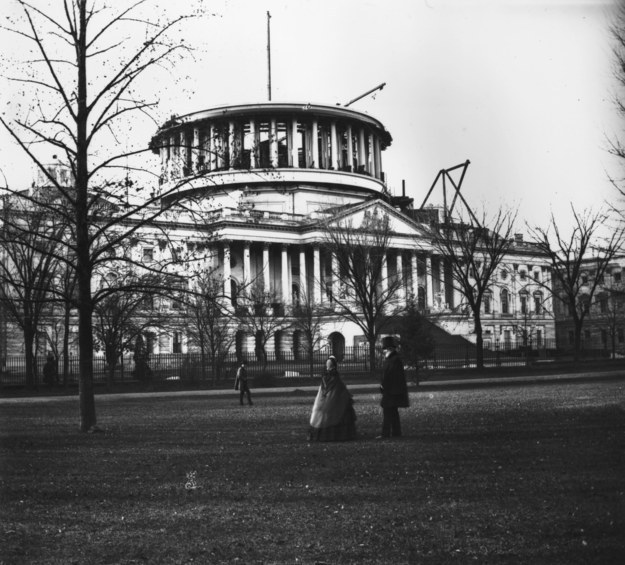
    Construction on the Capitol in 1859. Courtesy: William England, Getty Images.

    By 1859, the northern and southern sections of America had developed different economic systems, cultural norms, and approaches to permitting slavery. Congress and the political parties had been able to overlook those differences for the sake of self-preservation and advancement of the collective agenda. As 1859 concluded and 1860 sprang, Americans understood that the status quo of compromise was not to continue much longer. (more…)

  • The Lincoln-Douglas Debates of 1858

    l_lincoln-douglas_1200x675
    Depiction of the Lincoln-Douglas Debates.

    Senator Stephen Douglas had come into the political spotlight through his work in the Compromise of 1850 and the Kansas-Nebraska Act, which had temporarily held the country together but perpetuated the institution of slavery. Douglas, a Democrat, was a force to be reckoned with for keeping a seat in the United States Senate despite the growing strength of the Republican Party throughout the North and in his home state of Illinois. Throughout 1858, a time when the state legislatures elected senators to the United States Senate, Douglas would have to win the support of the people of Illinois, and the Illinois legislature, by debating the issue of slavery, and the future of the country, with the Republican candidate for the Senate, Abraham Lincoln. See David Potter, The Impending Crisis: America Before the Civil War, 1848-1861, 330-31. (more…)

  • The Role of Slavery in Splitting America

    underground_railroad
    The Underground Railroad. By: Charles T. Webber.

    Since the outbreak of the Civil War and continuing to the present day, the role of slavery in splitting America has been hotly debated. One may wonder whether there was merely a correlation between slavery and the Civil War or whether slavery was the cause. Investigating the nuances of the issue of slavery reveals that the Civil War resulted from sectionalism and slavery, which were practically synonymous.

    (more…)

  • The Supreme Court Under Jackson

    roger_b-_taney_-_brady-handy
    Roger B. Taney. Photograph by: Mathew Brady.

    John Marshall, perhaps the greatest Chief Justice of the Supreme Court of the United States, died on July 6, 1835. As his life was coming to a close, he wrote Joseph Story, “I yield slowly and reluctantly to the conviction that our constitution cannot last.” Daniel Walker Howe, What Hath God Wrought: Transformation of America, 1815-1848, 439 quoting John Marshall to Joseph Story, Sept. 22, 1832, quoted in Kent Newmyer, John Marshall and the Heroic Age of the Supreme Court (Baton Rouge, 2001), 386.

    (more…)

  • The Extermination of Native Americans

    max-d-stanley-trail-of-tears
    Trail of Tears. By: Max D. Stanley.

    Under President Andrew Jackson, and his successor President Martin Van Buren, there was mass removal of Native Americans westward across America.

    (more…)

  • Challenging White Supremacy

    david_walker_appeal
    Frontispiece of David Walker’s Appeal Pamphlet.

    In the midst of President Andrew Jackson’s presidency, white supremacy was becoming a prominent principle in American society, facilitating confrontation between whites and blacks but also between whites and Native Americans. Just months into Jackson’s first term, David Walker published a controversial and incendiary pamphlet: An Appeal to the Colored Citizens of the World, But in Particular, and Very Expressly, to Those of the United States of America. (more…)