Tag: Samuel Adams

  • Constitution Sunday: John Hancock Proposes Ratification with Amendments and Samuel Adams Supports

    Massachusetts Ratifying Convention

    January 31, 1788

    John Hancock, at the Massachusetts Ratifying Convention, made a motion for the Convention to adopt the Constitution as it was a document that would not only “advance the prosperity of the whole world” but create a form of government that would “extend its good influences to every part of the United States.” But, recognizing that a contingent in the Convention would not support the Constitution without some modifications, Hancock argued that a series of “some general amendments” accompany the approved Constitution so as to “quiet the apprehensions of gentlemen.” Samuel Adams, recognizing that many people in other Conventions had similarly felt that a set of amendments was not only necessary but urgently needed, saw that including amendments would “have the most salutary effect throughout the union.”

    (more…)
  • Two Supreme Coordinate Powers

    gouverneur_morris
    Gouverneur Morris. Engraving by: J. Rogers.

    Coming out of the Philadelphia Convention, many Americans had different perspectives about what had transpired and how effective the Constitution could be as a governing document.

    (more…)

  • The Greatest Question Ever Yet Agitated

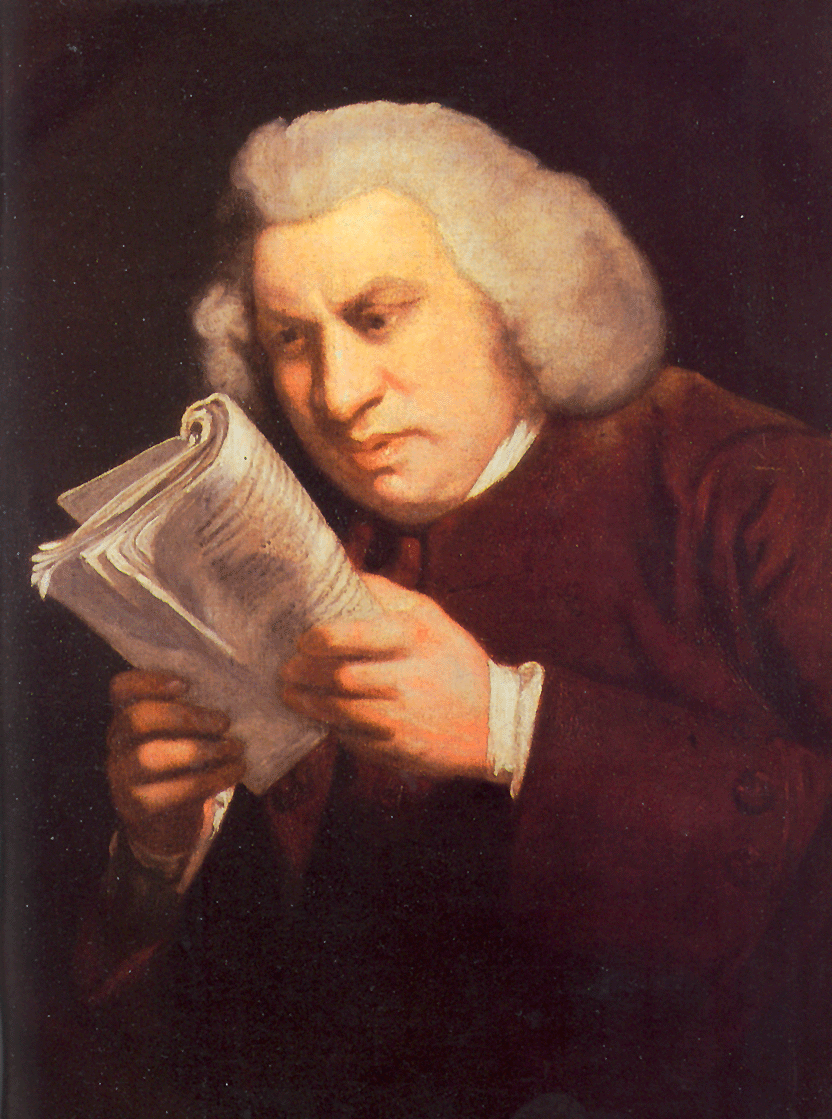
    samuel_johnson_by_joshua_reynolds_2
    Samuel Johnson. By: Joshua Reynolds.

    In the early 1770s, the colonists and Britain began to debate “the greatest Question ever yet agitated.” John Adams, entry, Mar. 4, 1773, Butterfield, ed., Diary of Adams, II, 77. That question was focused on sovereignty and John Adams expressed the view that it was necessary and “should some where be lodged a supreme power over the whole.” Id.

    (more…)

  • Virtue as a Principle and Foundation

    gilbert_stuart_john_adams
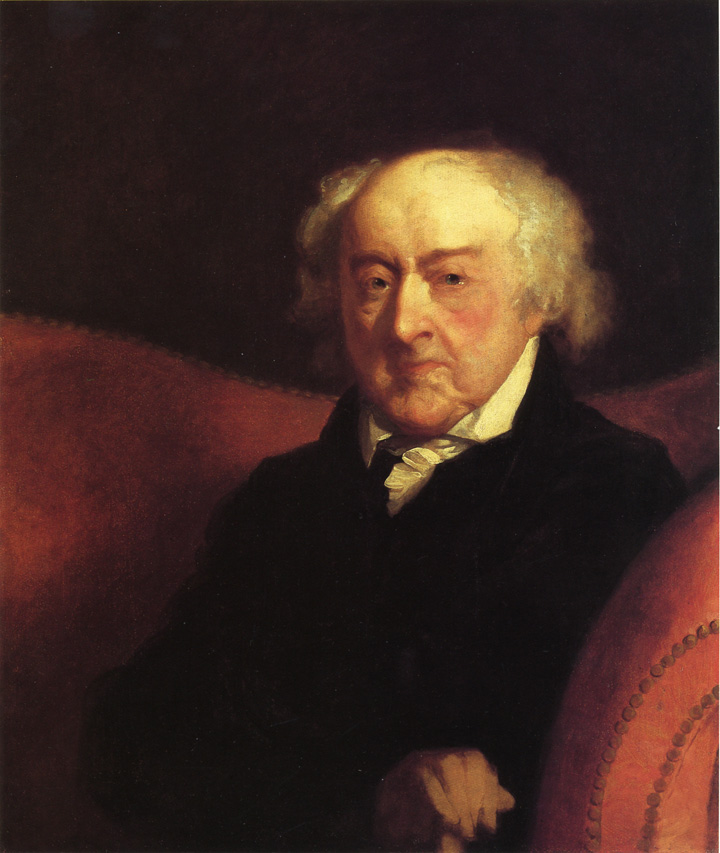
    John Adams. By: Gilbert Stuart.

    At the time of the Revolution, republicanism was permeating political discourse and political theory. John Adams asked in 1776 that “[i]f there is a form of government, then, whose principle and foundation is virtue, will not every sober man acknowledge it better calculated to promote the general happiness than any other form?” He continued by explaining that a republican constitution “introduces knowledge among the people, and inspires them with a conscious dignity becoming freemen; a general emulation takes place, which causes good humor, sociability, good manners, and good morals to be general. That elevation of sentiment inspired by such a government, makes the common people brave and enterprising. That ambition which is inspired by it makes them sober, industrious, and frugal.” John Adams, Thoughts on Government, Adams, ed., Works of John Adams, IV, 194, 199.

    (more…)

  • A Tradition of Extra-Legislative Action

    sl27979
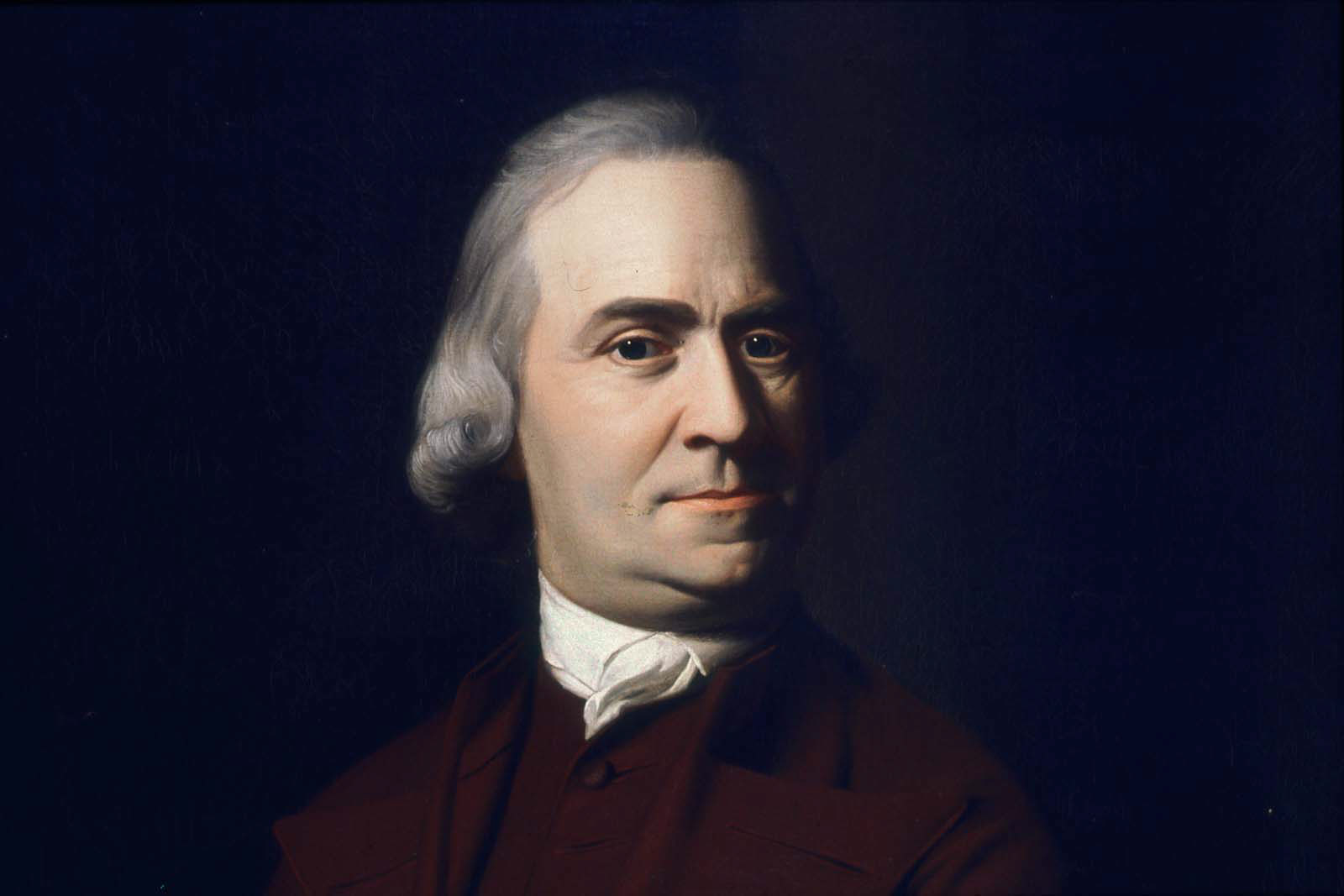
    Samuel Adams. By: John Singleton Copley.

    As touched on in Unalterable Constitutions, Americans began resorting to conventions for amending their state constitutions, and this was only one example of Americans looking to advance their causes outside of the bounds of government. See Gordon Wood, The Creation of the American Republic: 1776-1787, 310. This was not a novel approach, however, and it was not the only approach that Americans were increasingly taking to advance their interests.

    (more…)

  • Bringing the Revolution into Focus

    yorktown80
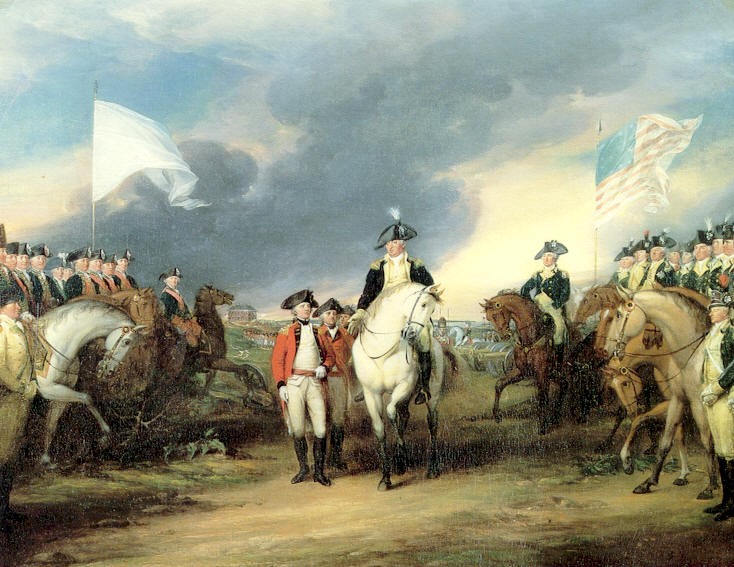
    Siege of Yorktown. By: John Trumbull.

    To fully understand the magnitude and impact of the American Revolution, context is crucial. While the Enlightenment was the process of society learning “the sources of a flourishing society and human happiness,” the Revolution was the process of finding the best form of government perhaps the world has ever known. See Gordon Wood, The Idea of America: Reflections on the Birth of the United States, 59.

    (more…)

  • Preventing and Facilitating Tyranny

    figure-1-capitol-1024x660
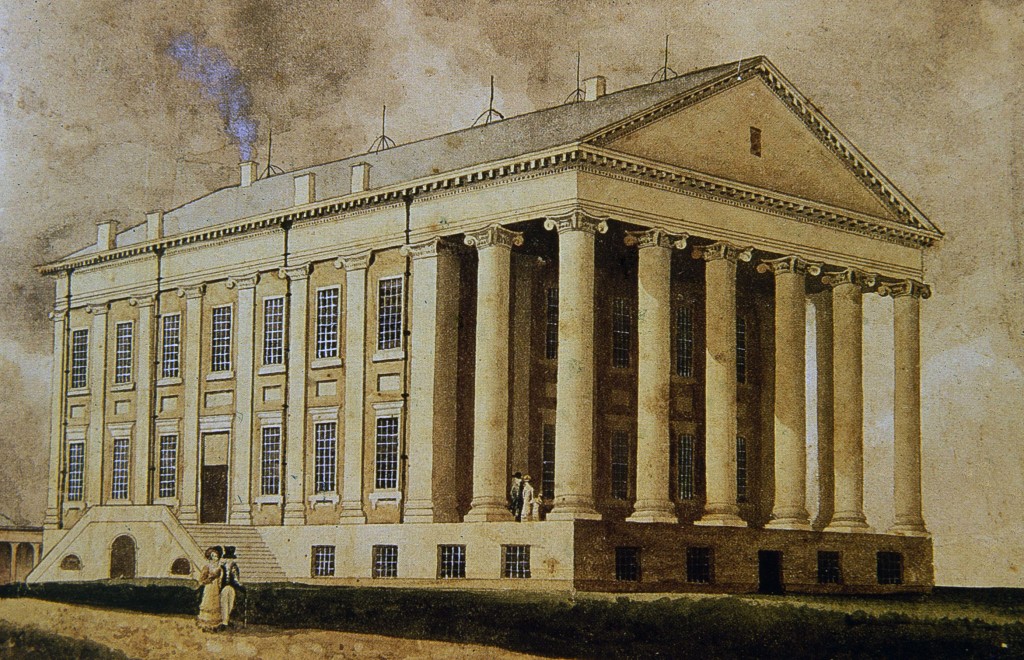
    Virginia State Capitol. By: William Goodacre.

    As the American Revolution became more and more inevitable, states began contemplating the role and responsibilities of their legislatures. Those contemplations centered around curing the perceived ills and shortcomings of the English constitution.

    (more…)