Tag: Sectionalism

  • The Railroad Revolution

    dewitt_clinton_28locomotive29
    A Depiction of the Replica of the Dewitt Clinton, an American-made Locomotive.

    Following the Panics of 1837 and 1839, America began rapidly expanding a new innovation: the railroad. While this would seem to have brought the country together, in fact, it increased sectionalism, creating more tension between the North and the South. Daniel Walker Howe, What Hath God Wrought: Transformation of America, 1815-1848, 569.
    (more…)

  • The “Positive Good” of Slavery

    36
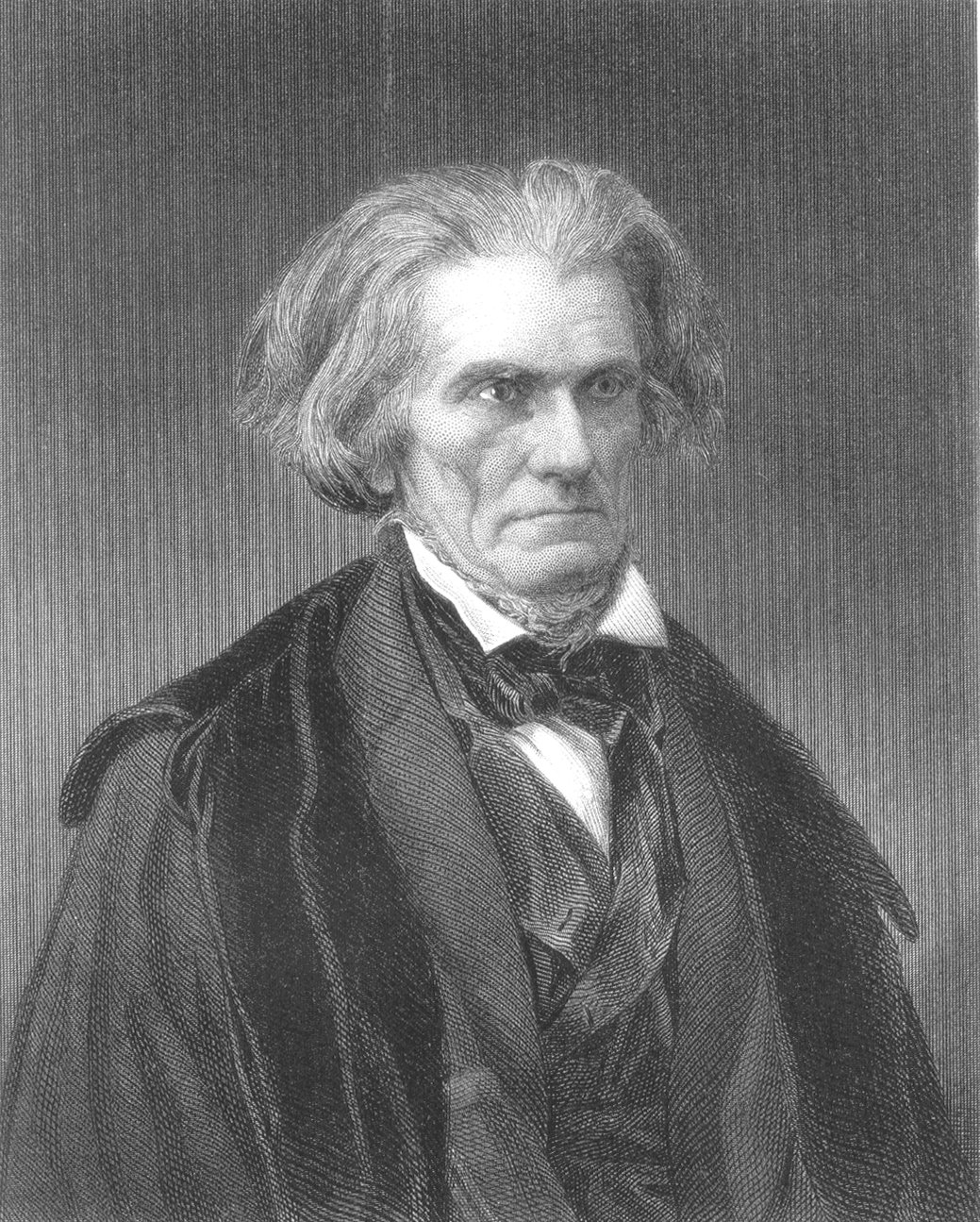
    Engraving of John C. Calhoun.

    John Calhoun, one of the staunchest supporters of states’ rights, was widely known for his view that slavery as a “positive good” in American society.

    (more…)

  • Seeds of Division

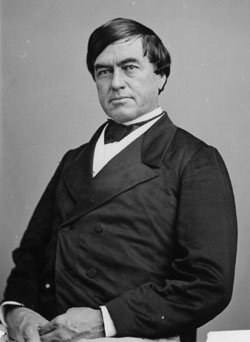
    cassius_marcellus_clay
    Cassius Marcellus Clay.

    In America, slavery was not always an issue that could be separated by the North and the South.

    (more…)

  • Jackson’s Farewell

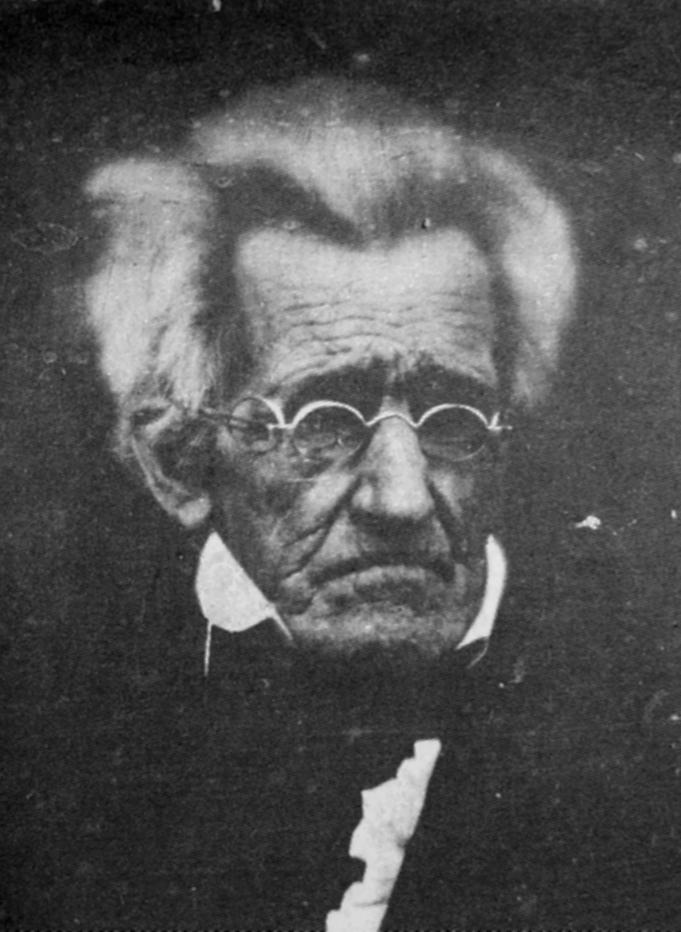
    78yo_andrew_jackson
    Andrew Jackson.

    President Andrew Jackson, with his term coming to an end, commissioned the Chief Justice of the Supreme Court, Roger Taney, to write his farewell address. This was his imitation of George Washington, who had started the tradition of the farewell address. See Daniel Walker Howe, What Hath God Wrought: Transformation of America, 1815-1848, 500.

    (more…)

  • The Nullification Crisis

    edward_livingston2c_u-s-_secretary_of_state
    Edward Livingston as Secretary of State.

    John Calhoun and his like-minded supporters hoped that nullification would become a legitimate alternative to secession for the South. Nullification was the doctrine that Calhoun believed meant that states could nullify a federal law, on the basis that states had their own sovereignty and the federal government could not infringe on that sovereignty. See Daniel Walker Howe, What Hath God Wrought: Transformation of America, 1815-1848, 402. This approach was designed to primarily perpetuate the institution of slavery, without the conflict culminating in secession, or worse, civil war.

    (more…)

  • Liberty and Union, Now and Forever, One and Inseparable

    daniel_webster
    Daniel Webster.

    In 1830, Daniel Webster, Senator from Massachusetts, engaged in a heated debate with Robert Hayne, Senator from South Carolina, which touched on the political theory of federal and state sovereignty.

    (more…)

  • Jackson’s Early Economic Success

    ralph_eleaser_whiteside_earl_andrew_jackson_ncmoa
    President Andrew Jackson. Circa 1830-32. By: Ralph Eleaser Whiteside Earl.

    President Andrew Jackson had good fortune as his presidency began with a wave of prosperity. See Daniel Walker Howe, What Hath God Wrought: Transformation of America, 1815-1848, 360.

    (more…)

  • The Emergence of Regional Differences

    cnx_history_09_02_cincinnati
    An engraving of Cincinnati. The early 1800s.

    As the Great Migration occurred after the War of 1812, regional differences came to light amongst Americans.

    (more…)