Tag: Senate

  • The Darkest Spot on the American Mantle

    clay
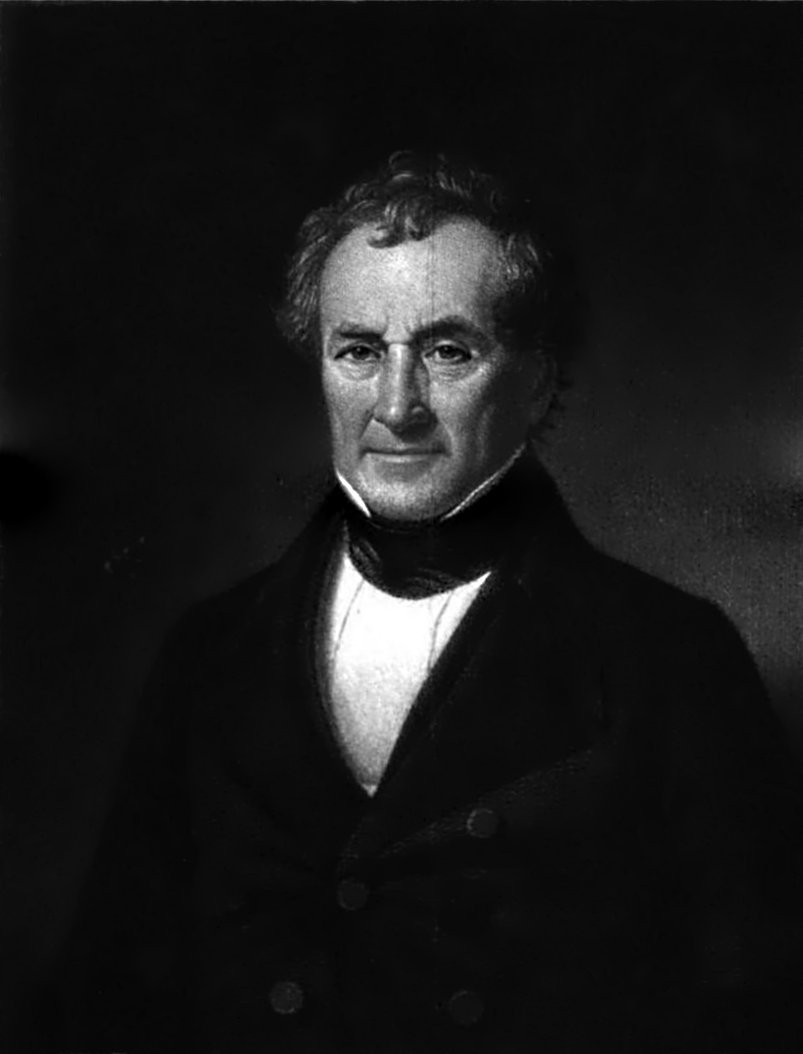
    Henry Clay. By: Henry F. Darby.

    In 1832, Henry Clay addressed the Senate, expressing his hope that “some day,” America “would be rid of this, the darkest spot on its mantle,” speaking of slavery. Daniel Walker Howe, What Hath God Wrought: Transformation of America, 1815-1848, 586 quoting Life, Correspondence, and Speeches of Henry Clay, ed. Calvin Colton (New York, 1857), I, 189, 191.
    (more…)

  • The Master of Parliamentary Procedure

    john_q-_adams
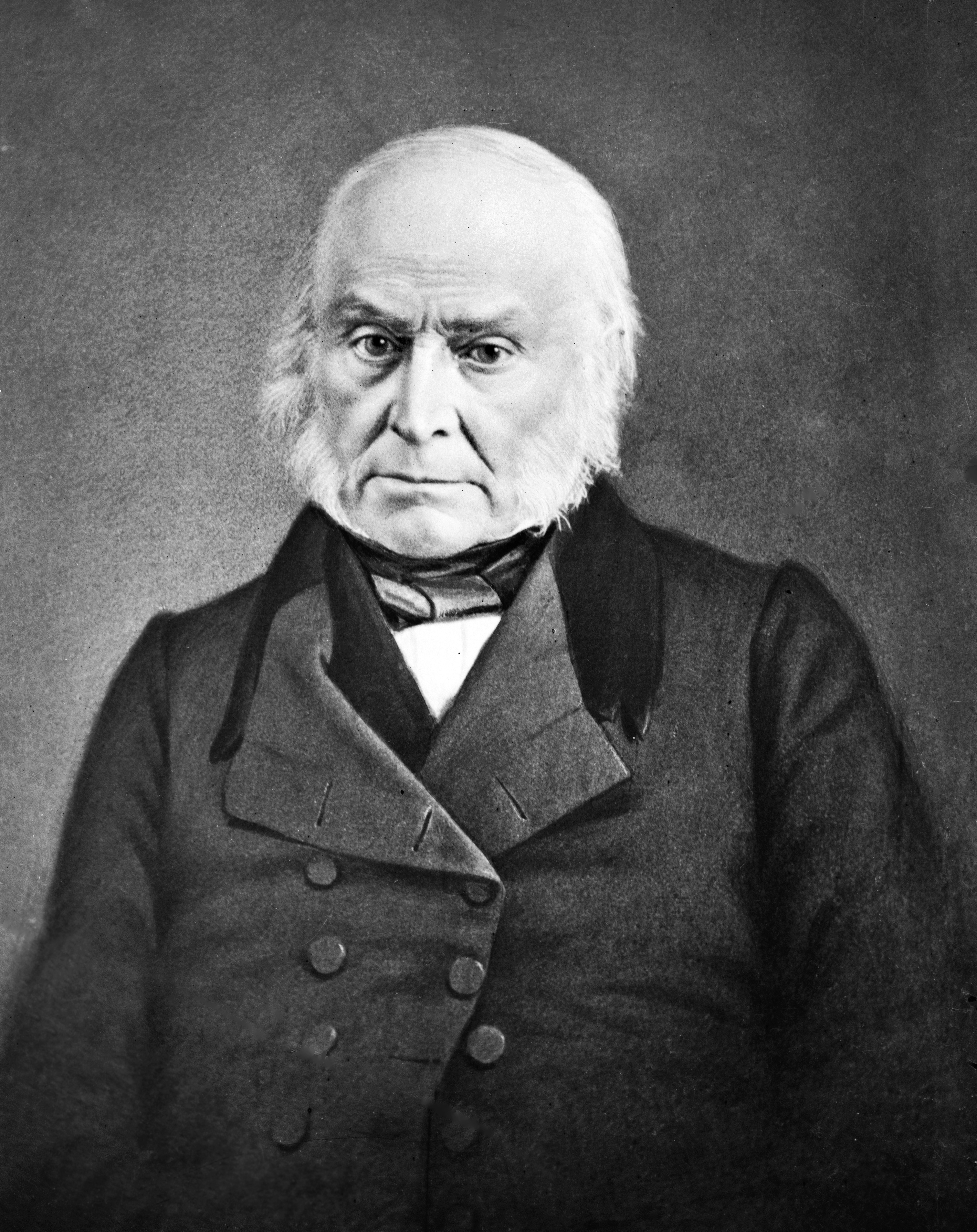
    John Quincy Adams.

    The United States Congress was not above adopting its own rules that would silence abolitionist views. While mass mailings to southerners became a regular occurrence for abolitionists, creating significant tension between proslavery and anti-slavery factions, those had occurred outside the purview of government. The House of Representatives, when it used a gag rule to prevent discussion of petitions relating to abolition, was striking a blow to abolitionists all over the country.

    (more…)

  • The “Positive Good” of Slavery

    36
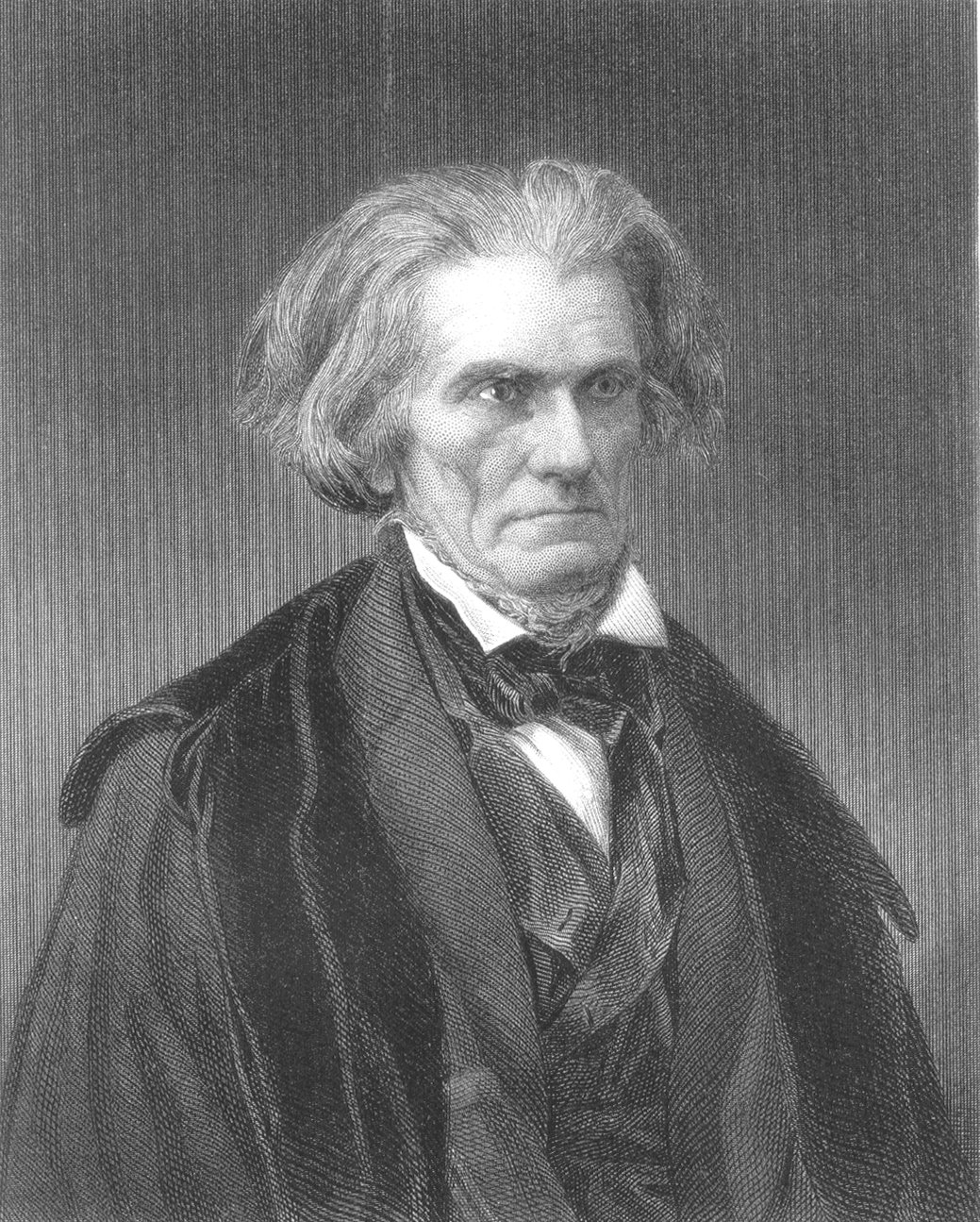
    Engraving of John C. Calhoun.

    John Calhoun, one of the staunchest supporters of states’ rights, was widely known for his view that slavery as a “positive good” in American society.

    (more…)

  • A First Test for Separation of Church and State

    cholera-1832
    A Depiction of the Cholera Outbreak in New York City in 1832.

    With the communications and transportation revolution came new, unforeseeable consequences. One such consequence was the spread of cholera and other contagious diseases, which would test the mettle of Americans.

    (more…)

  • The Aftermath of Jackson’s Bank Policies

    secondbank
    Illustration of the Second Bank of the United States.

    In the aftermath of President Andrew Jackson’s destroying the Second Bank of the United States, there were ramifications throughout the country, from top to bottom.

    (more…)

  • Liberty and Union, Now and Forever, One and Inseparable

    daniel_webster
    Daniel Webster.

    In 1830, Daniel Webster, Senator from Massachusetts, engaged in a heated debate with Robert Hayne, Senator from South Carolina, which touched on the political theory of federal and state sovereignty.

    (more…)

  • Constitution Sunday: “A Citizen of America” [Noah Webster]

    “A Citizen of America” [Noah Webster]

    Philadelphia, October 17, 1787

    Following are excerpts from Noah Webster’s writing:

    “Another idea that naturally presents itself to our minds, on a slight consideration of the subject, is, that in a perfect government, all the members of a society should be (more…)

  • The Missouri Compromise

    james_tallmadge_portrait
    James Tallmadge.

    By 1819, the area west of the Mississippi River, known as the Missouri Territory, had obtained a population qualifying it to be admitted to the Union. Daniel Walker Howe, What Hath God Wrought: Transformation of America, 1819-1848, 147. The only requirement to be admitted was that an enabling act be presented to Congress “authorizing Missouri voters to elect a convention to draft a state constitution.” Id. That bill was proposed, but Representative James Tallmadge proposed an amendment prohibiting further “importation of slavery” and “all children of slaves born after Missouri’s admission to the Union should become free at the age of twenty-five.” Id. This provoked great “consternation in the House of Representatives.” Id. citing Annals of Congress, 15th Cong., 2nd sess., 1170.

    (more…)

  • Constitution Sunday: Reply to Wilson’s Speech: “An Officer of the Late Continental Army”

    Reply to Wilson’s Speech: “An Officer of the Late Continental Army”

    Independent Gazetteer (Philadelphia), November 6, 1787

    Following are excerpts from an article with an unknown author, published in response to James Wilson’s speech:

    “That of the senate is so small that it renders its extensive powers extremely dangerous: it is to consist only of 26 members, (more…)

  • The Defeat of the Bonus Bill

    james_madison_by_chester_harding_1829_img_4295
    James Madison. By: Chester Harding.

    Following the War of 1812, President James Madison was proudly touting the status of America. It had mobilized its navy to protect trade in the Mediterranean Sea, it had reestablished commercial relations with Britain, and it had pacified the Native Americans. See Daniel Walker Howe, What Hath God Wrought: Transformation of America, 1815-1848, 80.

    (more…)