Tag: Slavery

  • The Darkest Spot on the American Mantle

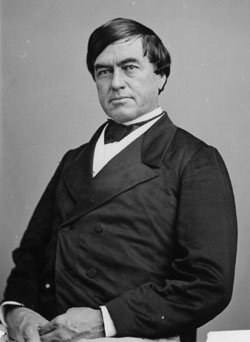
    clay
    Henry Clay. By: Henry F. Darby.

    In 1832, Henry Clay addressed the Senate, expressing his hope that “some day,” America “would be rid of this, the darkest spot on its mantle,” speaking of slavery. Daniel Walker Howe, What Hath God Wrought: Transformation of America, 1815-1848, 586 quoting Life, Correspondence, and Speeches of Henry Clay, ed. Calvin Colton (New York, 1857), I, 189, 191.
    (more…)

  • Election of 1840: The Rhetoric

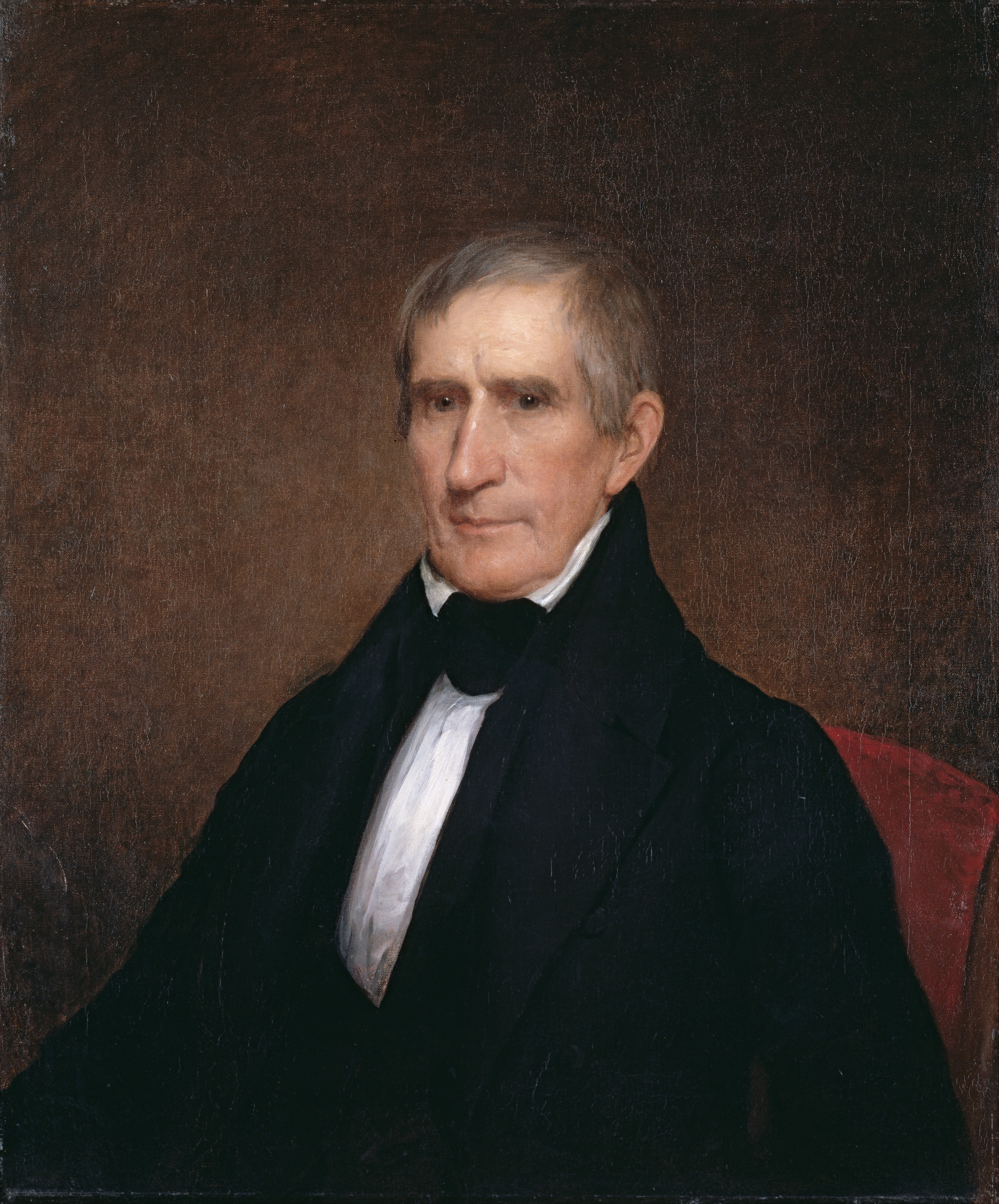
    albert_gallatin_hoit_-_william_henry_harrison_-_google_art_project
    William Henry Harrison. By: Albert Gallatin Hoit.

    The Election of 1840 juxtaposed the Whig Party’s policies against the Democratic Party’s more fluid policies. The Whigs “possessed a more coherent program: a national bank, a protective tariff, government subsidies to transportation projects, the public lands treated as a source of revenue, and tax-supported public schools.” Daniel Walker Howe, What Hath God Wrought: Transformation of America, 1815-1848, 583-84. The Democrats did not have such rigid policies, relying instead on the “emotional bond” they they had with their followers, rather than policy initiatives. Id. at 584 citing Matthew Crenson, The Federal Machine: Beginnings of Bureaucracy in Jacksonian America (Baltimore, 1975), 29.

    (more…)

  • The Legalities of Slavery

    franklin_and_armfield_slave_prison_alexandria_virginia_1836
    A Depiction of Franklin & Armfield’s Slave Prison in Alexandria, Virginia in 1836.

    By the 1830s and 1840s, slavery had become engrained in the American legal system, enjoying protections and safeguards against its abolition and ultimately ensuring its continuation.

    (more…)

  • The Legitimization of Unions

    lemuel_shaw_by_southworth_26_hawes
    Lemuel Shaw.

    The labor movement gained significant momentum during the 1830s and 1840s, paving the way for future generations of Americans to secure extensive workers’ rights.

    (more…)

  • The Second Florida War

    seminole_war_in_everglades
    A Depiction of United States Marines Searching for Native Americans.

    With President Martin Van Buren in the White House came increasing extermination of the Native Americans. While many will recall the Trail of Tears leading to thousands of Native American deaths, the Second Florida War would be the “longest and most costly of all the army’s Indian Wars,” as it stretched from 1835 to 1842. Daniel Walker Howe, What Hath God Wrought: Transformation of America, 1815-1848, 516.

    (more…)

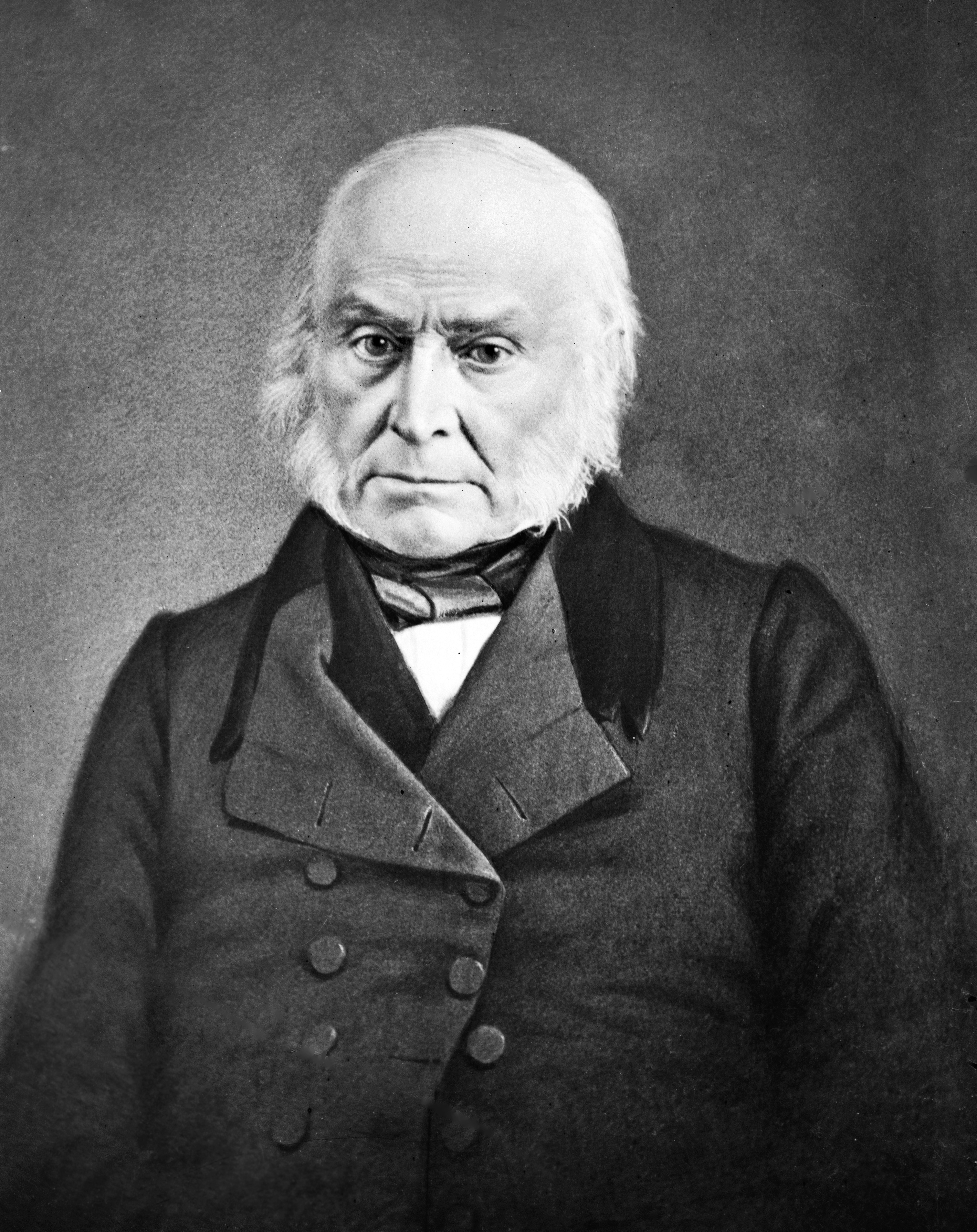
  • The Master of Parliamentary Procedure

    john_q-_adams
    John Quincy Adams.

    The United States Congress was not above adopting its own rules that would silence abolitionist views. While mass mailings to southerners became a regular occurrence for abolitionists, creating significant tension between proslavery and anti-slavery factions, those had occurred outside the purview of government. The House of Representatives, when it used a gag rule to prevent discussion of petitions relating to abolition, was striking a blow to abolitionists all over the country.

    (more…)

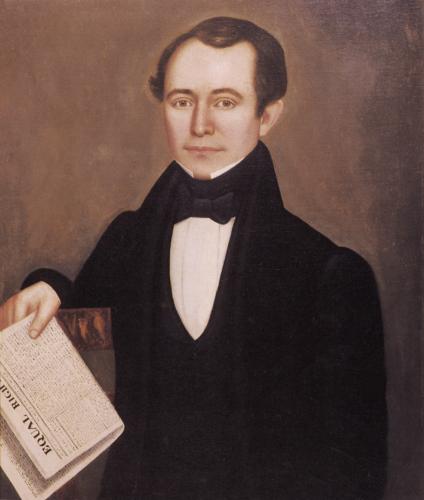
  • The Whigs and the Democrats Fight

    william_leggett
    William Leggett. By: Erastus Salisbury Field.

    With the emergence of the Democrats and the Whigs as the two main political parties in the late 1830s and early 1840s, this fostered significant tension on the issue of slavery.

    (more…)

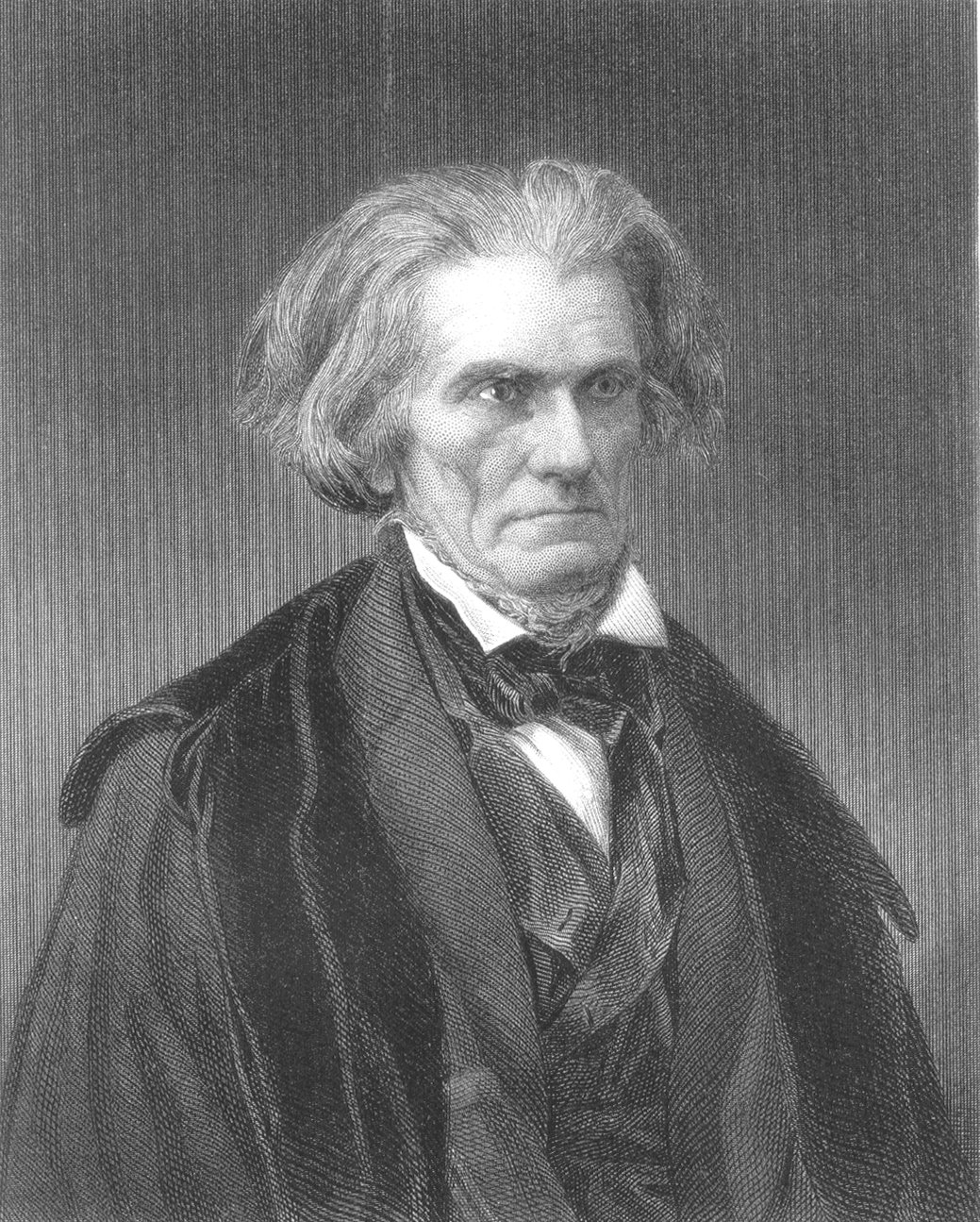
  • The “Positive Good” of Slavery

    36
    Engraving of John C. Calhoun.

    John Calhoun, one of the staunchest supporters of states’ rights, was widely known for his view that slavery as a “positive good” in American society.

    (more…)

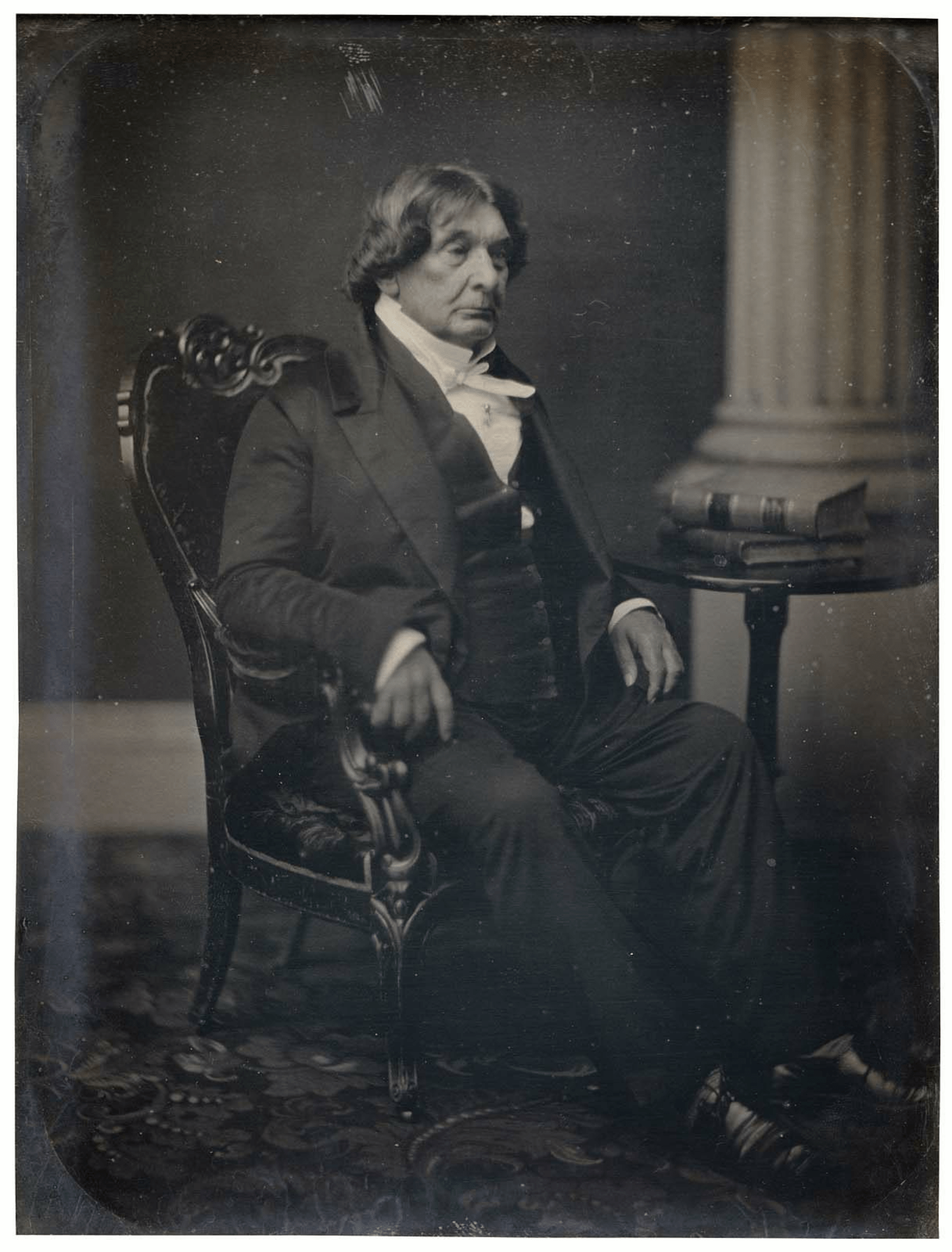
  • Seeds of Division

    cassius_marcellus_clay
    Cassius Marcellus Clay.

    In America, slavery was not always an issue that could be separated by the North and the South.

    (more…)

  • Challenging White Supremacy

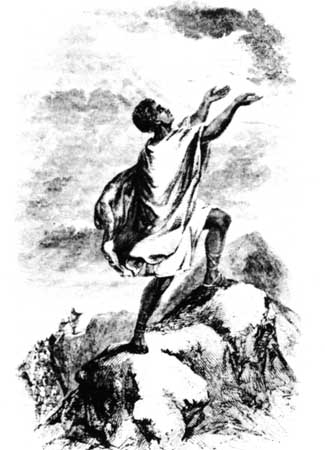
    david_walker_appeal
    Frontispiece of David Walker’s Appeal Pamphlet.

    In the midst of President Andrew Jackson’s presidency, white supremacy was becoming a prominent principle in American society, facilitating confrontation between whites and blacks but also between whites and Native Americans. Just months into Jackson’s first term, David Walker published a controversial and incendiary pamphlet: An Appeal to the Colored Citizens of the World, But in Particular, and Very Expressly, to Those of the United States of America. (more…)