
Following the Election of 1828, Andrew Jackson was preparing to move into the White House, newly a widower and introducing a change in leadership.
Following the Election of 1828, Andrew Jackson was preparing to move into the White House, newly a widower and introducing a change in leadership.
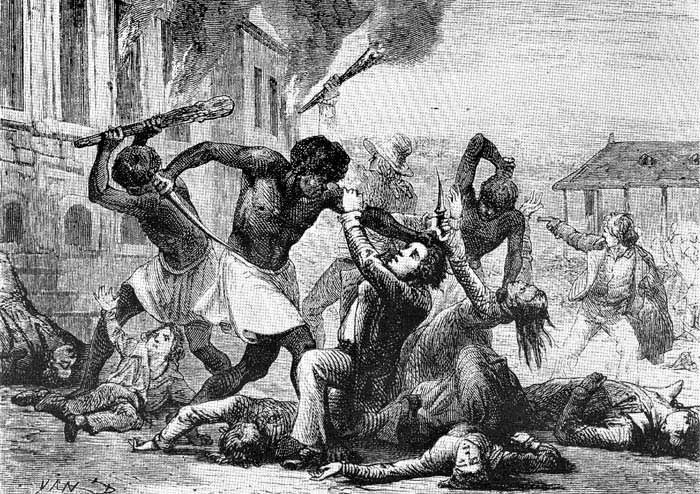
On August 22, 1831, the greatest slave rebellion in United States history occurred, led by a “mystic religious visionary named Nat Turner.” Daniel Walker Howe, What Hath God Wrought: Transformation of America, 1815-1848, 323.
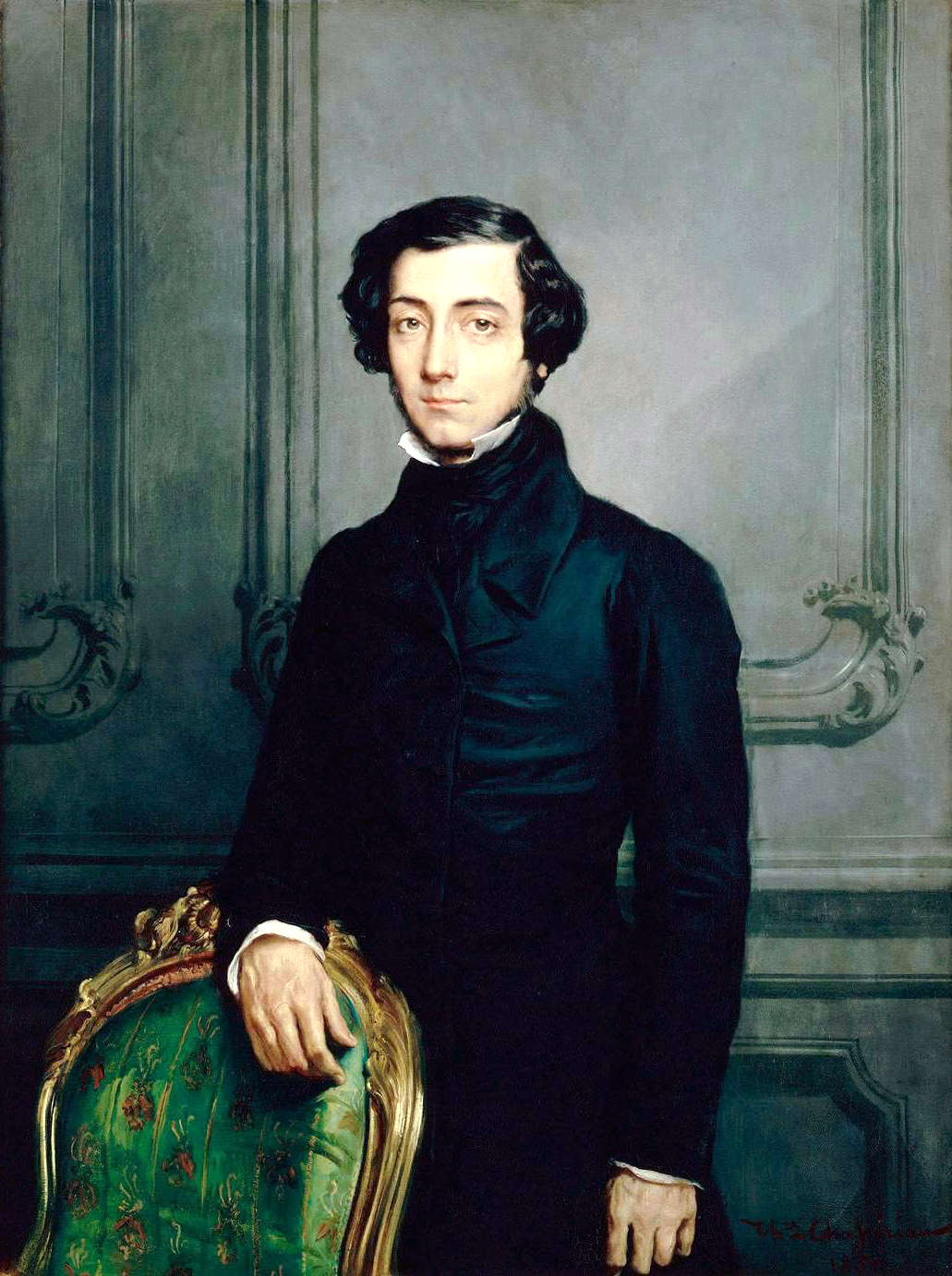
America, in the early part of the 1800s, developed a reputation for being an experimental society. It was a prime example of popular rule, which brought a unique perspective to the world stage. See Daniel Walker Howe, What Hath God Wrought: Transformation of America, 1815-1848, 304.
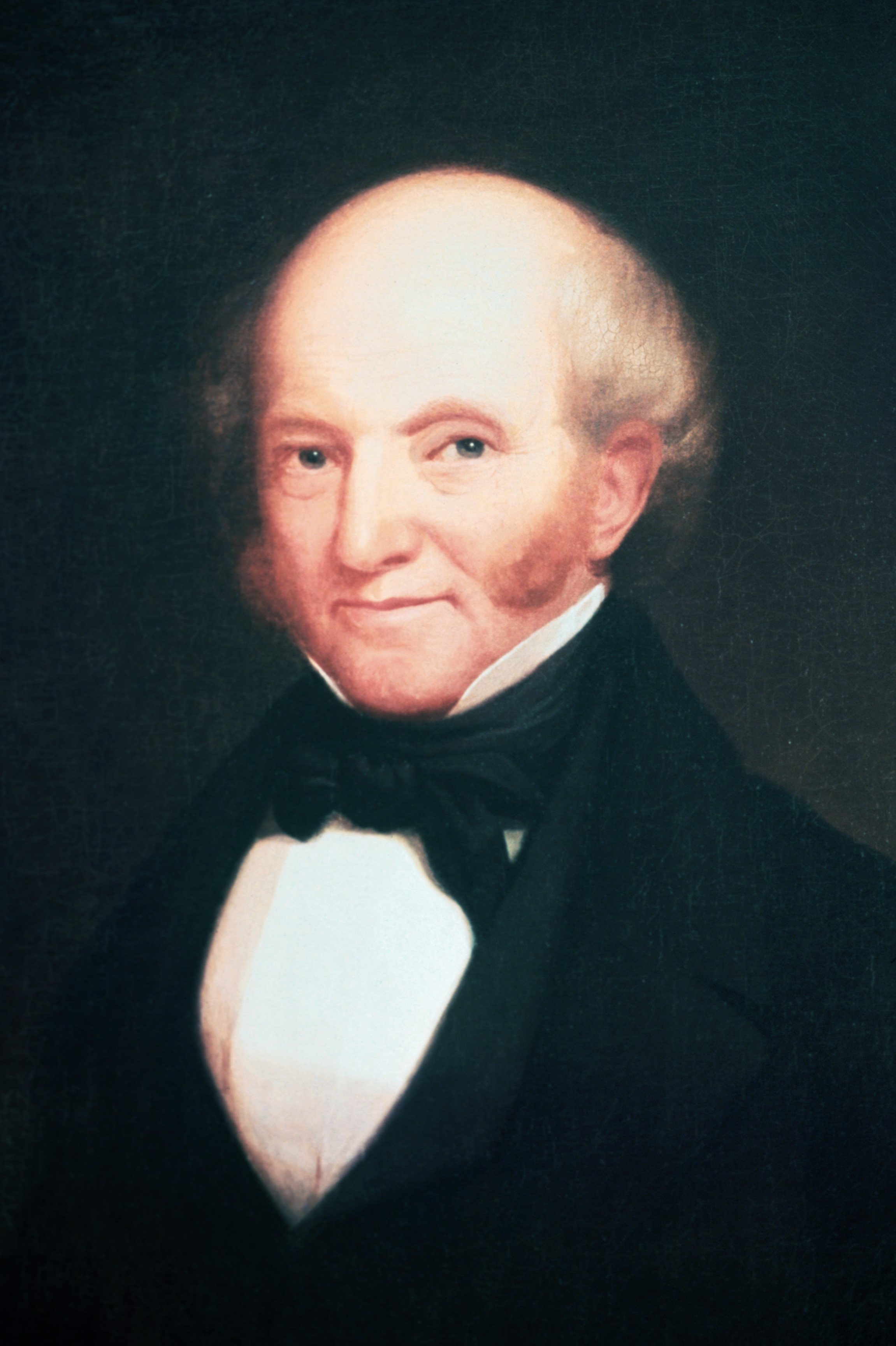
Both President John Quincy Adams and Henry Clay were of the mindset that much could be accomplished in developing the American economy with the help of the government. Martin Van Buren had different ideas, however.

The American Colonization Society, the premier organization advocating for the exportation of slavery to Africa, had a major supporter in Secretary of State Henry Clay in the late 1820s.

Paul Cuffe, by 1816, began making voyages across the Atlantic Ocean to Africa, transporting African-Americans who wished to make a new home in Africa. Daniel Walker Howe, What Hath God Wrought: Transformation of America, 1815-1848, 260.
“A Citizen of America” [Noah Webster]
Philadelphia, October 17, 1787
Following are excerpts from Noah Webster’s writing:
“Another idea that naturally presents itself to our minds, on a slight consideration of the subject, is, that in a perfect government, all the members of a society should be (more…)
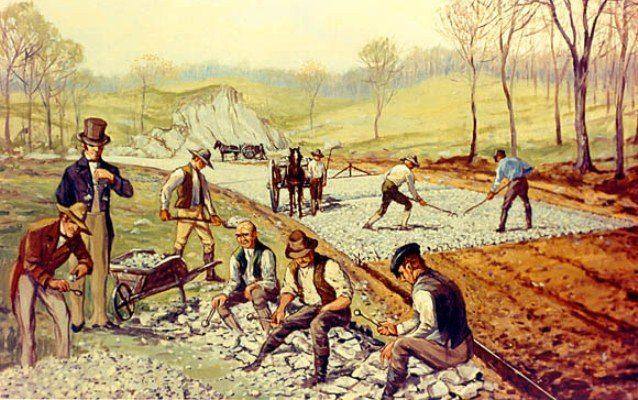
Following the end of the War of 1812, the United States underwent a transportation revolution. This transportation revolution came about as a result of Americans moving westward but also as more Americans moved into cities to engage in industrial work. Daniel Walker Howe, What Hath God Wrought: Transformation of America, 1815-1848, 212. (more…)

During the controversy surrounding the Missouri Compromise, those who advocated for restricting slavery had been interpreted by southerners as encouraging insurrection. See Daniel Walker Howe, What Hath God Wrought: Transformation of America, 1815-1848, 161.

With the creation of the Missouri Compromise came a second controversy for Missouri. Some northerners threatened “not to consent to the Missouri constitution when it came back to Congress for final approval.” Daniel Walker Howe, What Hath God Wrought: Transformation of America, 1815-1848, 156. Henry Clay, then-Speaker of the House of Representatives, led the effort to solving this second controversy.
 Last Best Hope of Earth