
Following President James Polk’s announcement of war with Mexico, and Congress’ declaration of war, those in the Whig Party and those around the country had significantly different views of the war.
Following President James Polk’s announcement of war with Mexico, and Congress’ declaration of war, those in the Whig Party and those around the country had significantly different views of the war.
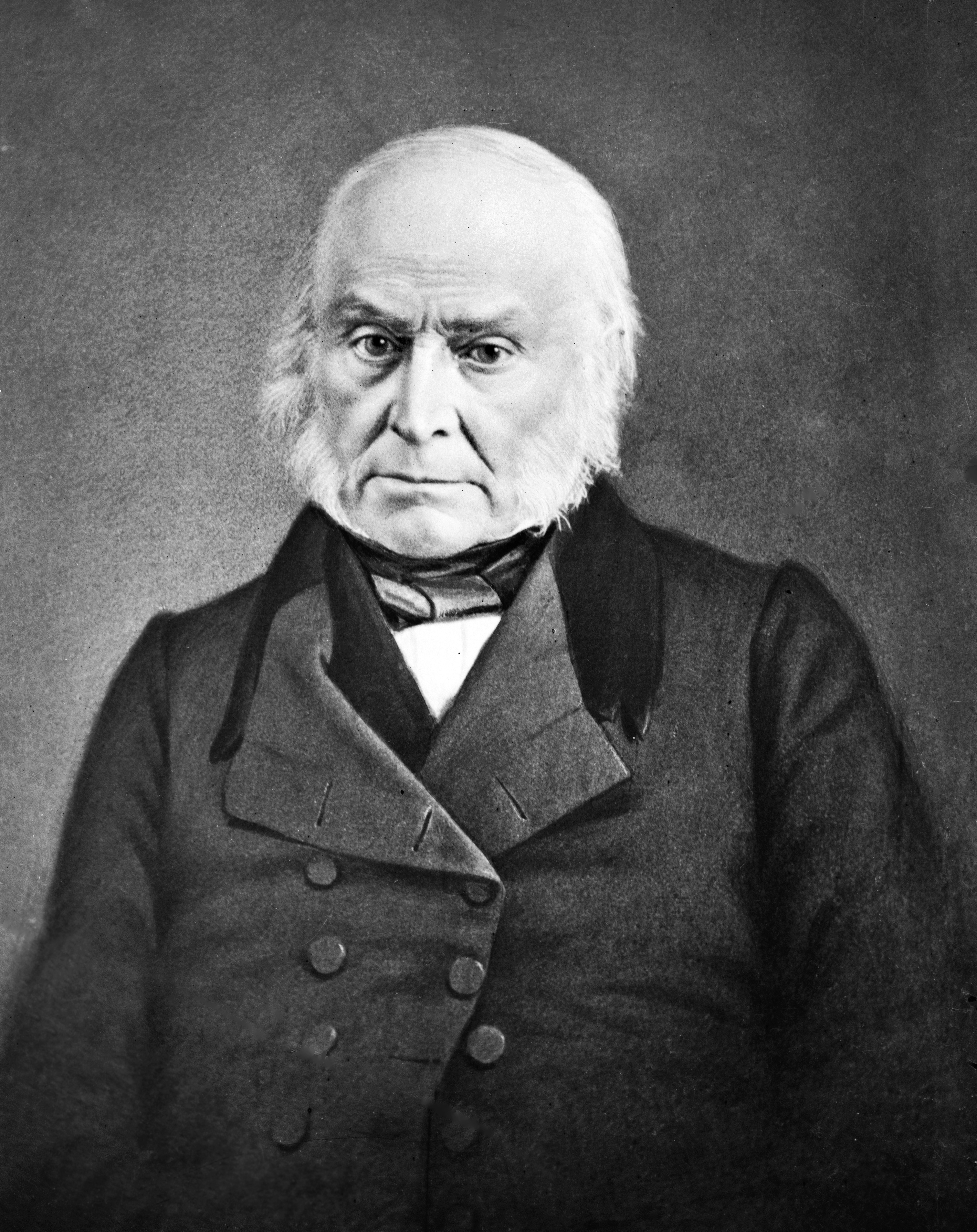
The United States Congress was not above adopting its own rules that would silence abolitionist views. While mass mailings to southerners became a regular occurrence for abolitionists, creating significant tension between proslavery and anti-slavery factions, those had occurred outside the purview of government. The House of Representatives, when it used a gag rule to prevent discussion of petitions relating to abolition, was striking a blow to abolitionists all over the country.

Following the War of 1812, enfranchisement broadened in American society considerably.

John Calhoun and his like-minded supporters hoped that nullification would become a legitimate alternative to secession for the South. Nullification was the doctrine that Calhoun believed meant that states could nullify a federal law, on the basis that states had their own sovereignty and the federal government could not infringe on that sovereignty. See Daniel Walker Howe, What Hath God Wrought: Transformation of America, 1815-1848, 402. This approach was designed to primarily perpetuate the institution of slavery, without the conflict culminating in secession, or worse, civil war.
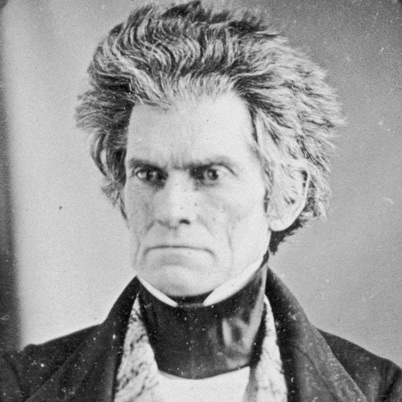
John Calhoun, by 1831, had alienated himself from President Andrew Jackson, and he wanted to “head off talk of secession,” and on July 26, 1831, he published his “Fort Hill Address” in a South Carolina newspaper. Daniel Walker Howe, What Hath God Wrought: Transformation of America, 1815-1848, 399.

In the first year of Andrew Jackson’s presidency, the removal of Native Americans from their lands became a top priority.

Following the Election of 1828, Andrew Jackson was preparing to move into the White House, newly a widower and introducing a change in leadership.

The American Colonization Society, the premier organization advocating for the exportation of slavery to Africa, had a major supporter in Secretary of State Henry Clay in the late 1820s.

During the controversy surrounding the Missouri Compromise, those who advocated for restricting slavery had been interpreted by southerners as encouraging insurrection. See Daniel Walker Howe, What Hath God Wrought: Transformation of America, 1815-1848, 161.

Following the War of 1812, President James Madison was proudly touting the status of America. It had mobilized its navy to protect trade in the Mediterranean Sea, it had reestablished commercial relations with Britain, and it had pacified the Native Americans. See Daniel Walker Howe, What Hath God Wrought: Transformation of America, 1815-1848, 80.
 Last Best Hope of Earth