Tag: Sovereignty

  • Constitution Sunday: James Wilson’s Summation and Final Rebuttal

    Constitution Sunday: James Wilson’s Summation and Final Rebuttal

    Pennsylvania Ratifying Convention.

    December 11, 1787

    Before concluding the Pennsylvania Ratifying Convention, James Wilson delivered a closing argument for ratifying the draft Constitution and took on many of his adversaries’ best arguments while presenting the most compelling reasons for adopting the Constitution. To detractors of the Constitution, a most glaring flaw in the document was its creation of a relatively powerful federal government as compared to that existing under the Articles of Confederation. Some called for scrapping the draft Constitution and simply enlarging the powers of the present federal government to make it more effective yet still modest.

    (more…)
  • The Precursor to the Winter of Secession

    168095
    Washington in 1860. Photographer Unknown.

    Abraham Lincoln’s victory in the Election of 1860 was disconcerting news for the South. It was the most recent event in a string of events that seemingly endangered the southern way of life and the future of the country. At a time when many northerners suspected southern threats of secession were but a bluff, there was evidence that the country had already split and the formalities were soon to follow. (more…)

  • Constitution Sunday: “Publius,” The Federalist VIII [Alexander Hamilton]

    “Publius,” The Federalist VIII [Alexander Hamilton]

    New-York Packet, November 20, 1787

    Following are excerpts from The Federalist VIII, authored by Alexander Hamilton:

    “Assuming it therefore as an established truth that the several States, in case of disunion, or such combinations of them as might happen to be formed out of the wreck of the general confederacy, (more…)

  • The Supreme Court Under Jackson

    roger_b-_taney_-_brady-handy
    Roger B. Taney. Photograph by: Mathew Brady.

    John Marshall, perhaps the greatest Chief Justice of the Supreme Court of the United States, died on July 6, 1835. As his life was coming to a close, he wrote Joseph Story, “I yield slowly and reluctantly to the conviction that our constitution cannot last.” Daniel Walker Howe, What Hath God Wrought: Transformation of America, 1815-1848, 439 quoting John Marshall to Joseph Story, Sept. 22, 1832, quoted in Kent Newmyer, John Marshall and the Heroic Age of the Supreme Court (Baton Rouge, 2001), 386.

    (more…)

  • The Fort Hill Address

    Personalities AE  6
    John Calhoun.

    John Calhoun, by 1831, had alienated himself from President Andrew Jackson, and he wanted to “head off talk of secession,” and on July 26, 1831, he published his “Fort Hill Address” in a South Carolina newspaper. Daniel Walker Howe, What Hath God Wrought: Transformation of America, 1815-1848, 399.

    (more…)

  • Liberty and Union, Now and Forever, One and Inseparable

    daniel_webster
    Daniel Webster.

    In 1830, Daniel Webster, Senator from Massachusetts, engaged in a heated debate with Robert Hayne, Senator from South Carolina, which touched on the political theory of federal and state sovereignty.

    (more…)

  • Constitution Sunday: Letter from James Madison to Thomas Jefferson

    Letter from James Madison to Thomas Jefferson

    New York, October 24, 1787

    Following are excerpts from James Madison’s letter to Thomas Jefferson, dated October 24, 1787:

    “It remains then to be enquired whether a majority having any common interest, or feeling any common passion, will find sufficient motives to restrain them from oppressing the minority. (more…)

  • The Lesson of the American Revolution

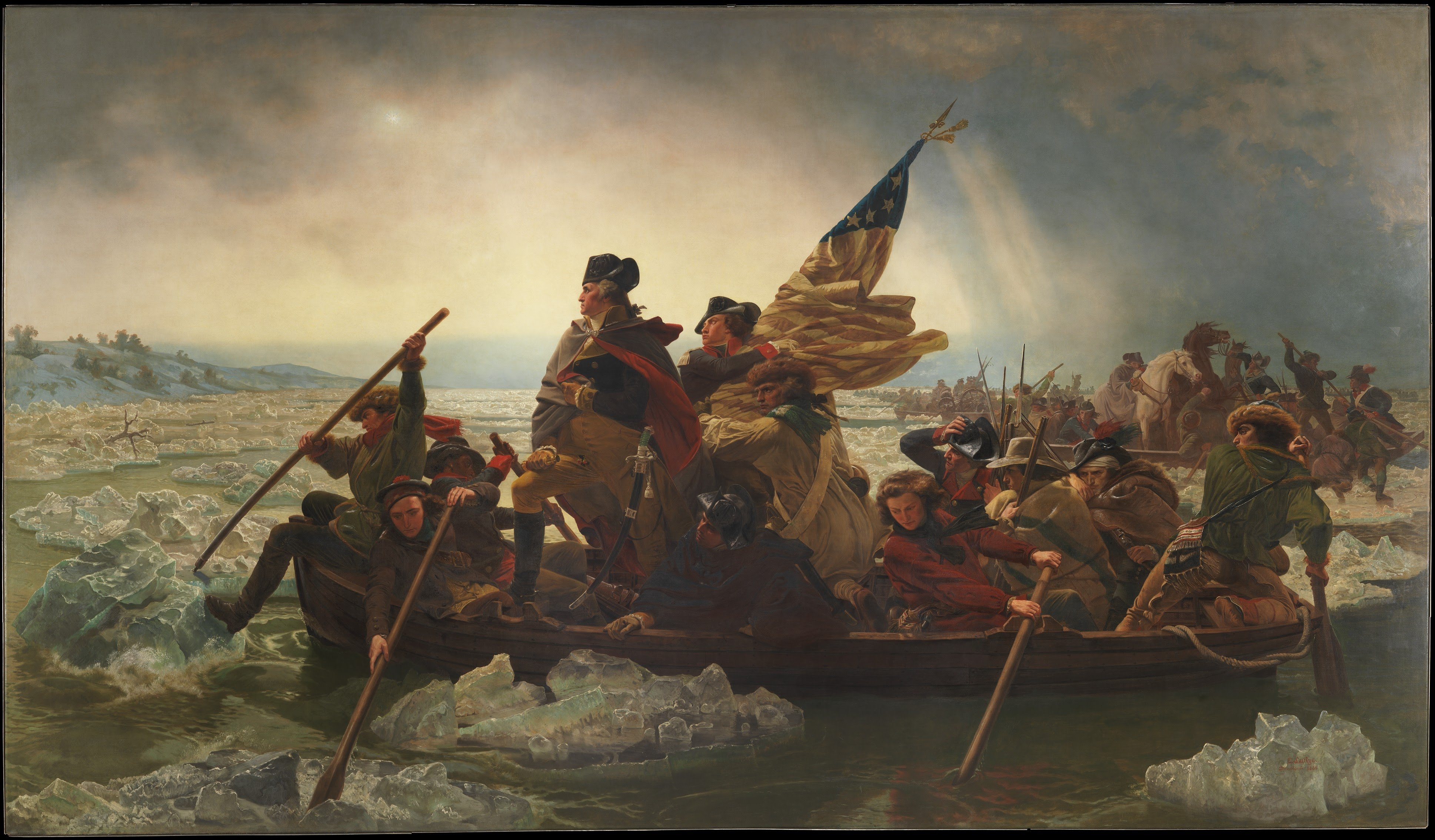
    emanuel_leutze_american_schwc3a4bisch_gmc3bcnd_1816e280931868_washington_d-c-_-_washington_crossing_the_delaware_-_google_art_project
    Washington Crossing the Delaware. By: Emanuel Gottlieb Leutze.

    The American Revolution changed political theory and government. At the heart of that change was the empowerment of the people, which continues to present day America.

    (more…)

  • Retention of the Supreme Power

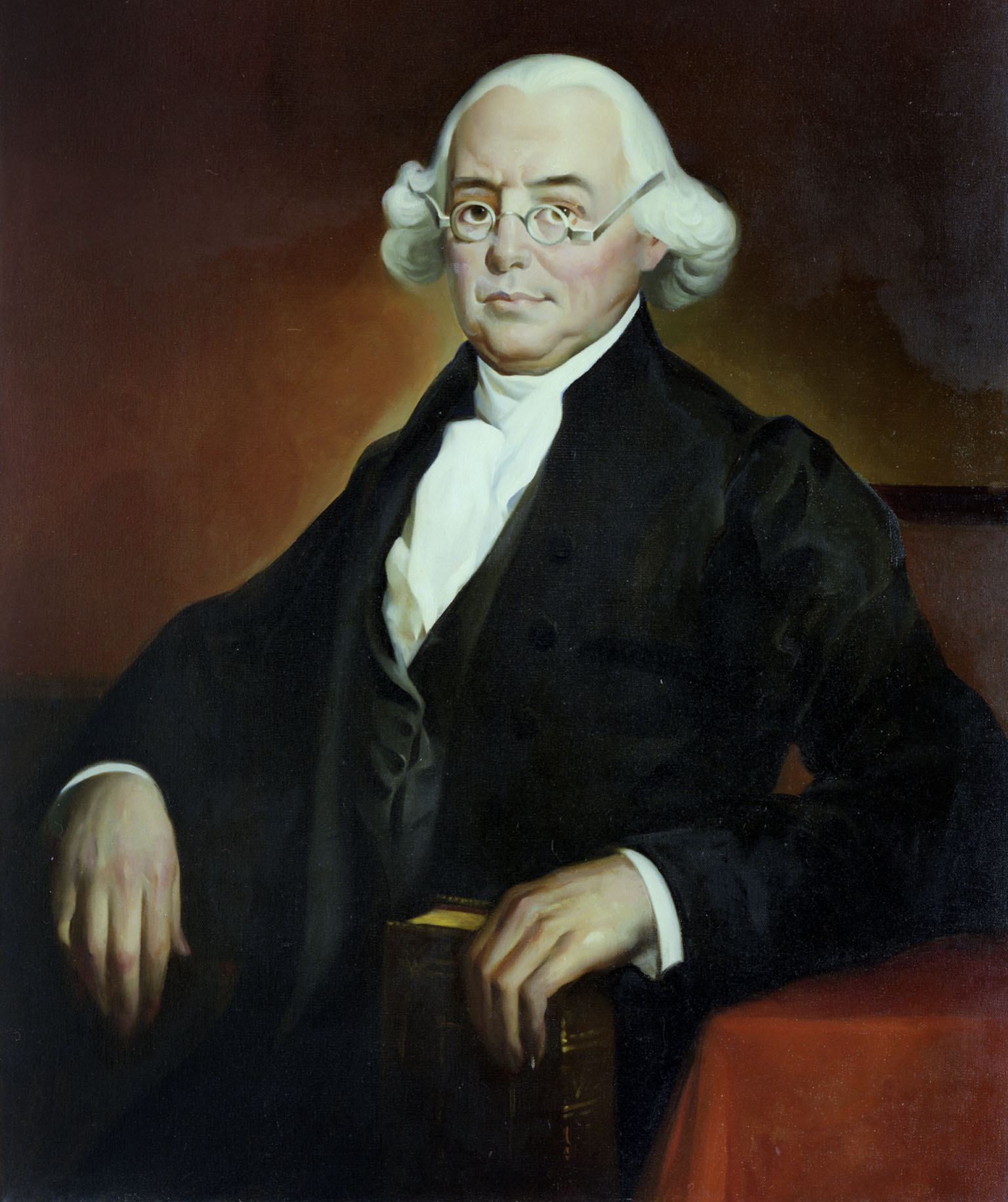
    1-2-2d4-25-explorepahistory-a0n0y8-a_349
    James Wilson, as Associate Justice of the Supreme Court. By: Robert S. Susan, after Leopold G. Seyffert, after Max Rosenthal.

    Capturing the spirit of the Declaration of Independence, the Constitution was expressing “the inherent and unalienable right of the people” to determine their system of government. Gordon Wood, The Creation of the American Republic: 1776-1787, 535 quoting Wilson, in McMaster and Stone, eds., Pennsylvania and the Federal Constitution, 317.

    (more…)

  • Two Supreme Coordinate Powers

    gouverneur_morris
    Gouverneur Morris. Engraving by: J. Rogers.

    Coming out of the Philadelphia Convention, many Americans had different perspectives about what had transpired and how effective the Constitution could be as a governing document.

    (more…)