Pamphlet by “Cato”: Thoughts on a Question of Importance Proposed to the Public, Whether it is probable that the Immense Extent of Territory acquired by this Nation at the late Peace, will operate towards the Prosperity, or the Ruin of the Island of Great-Britain?
London, 1765.
At the end of the Seven Years War, known to Americans as the French and Indian War, a peace came to be that included Great Britain adding more territory to its empire. That territory, located in the New World, brought the British Empire to effectively control North America, and while that was widely viewed as a net positive, questions were emerging about what the empire would do with its burgeoning colonies; colonies which may have been bringing income and commodities to Great Britain itself but also colonies that were becoming more difficult to maintain. To the author known as “Cato,” these developments did not bode well: he urged the British government to use the “quiet Interval, such as you now enjoy,” and while it “is very rare in Countries where there is so much Liberty as we have at present; neither can it be expected to last long.”
Within a matter of weeks of Abraham Lincoln’s presidency beginning, the gravest crisis of perhaps any president confronted him and the nation: civil war. (more…)
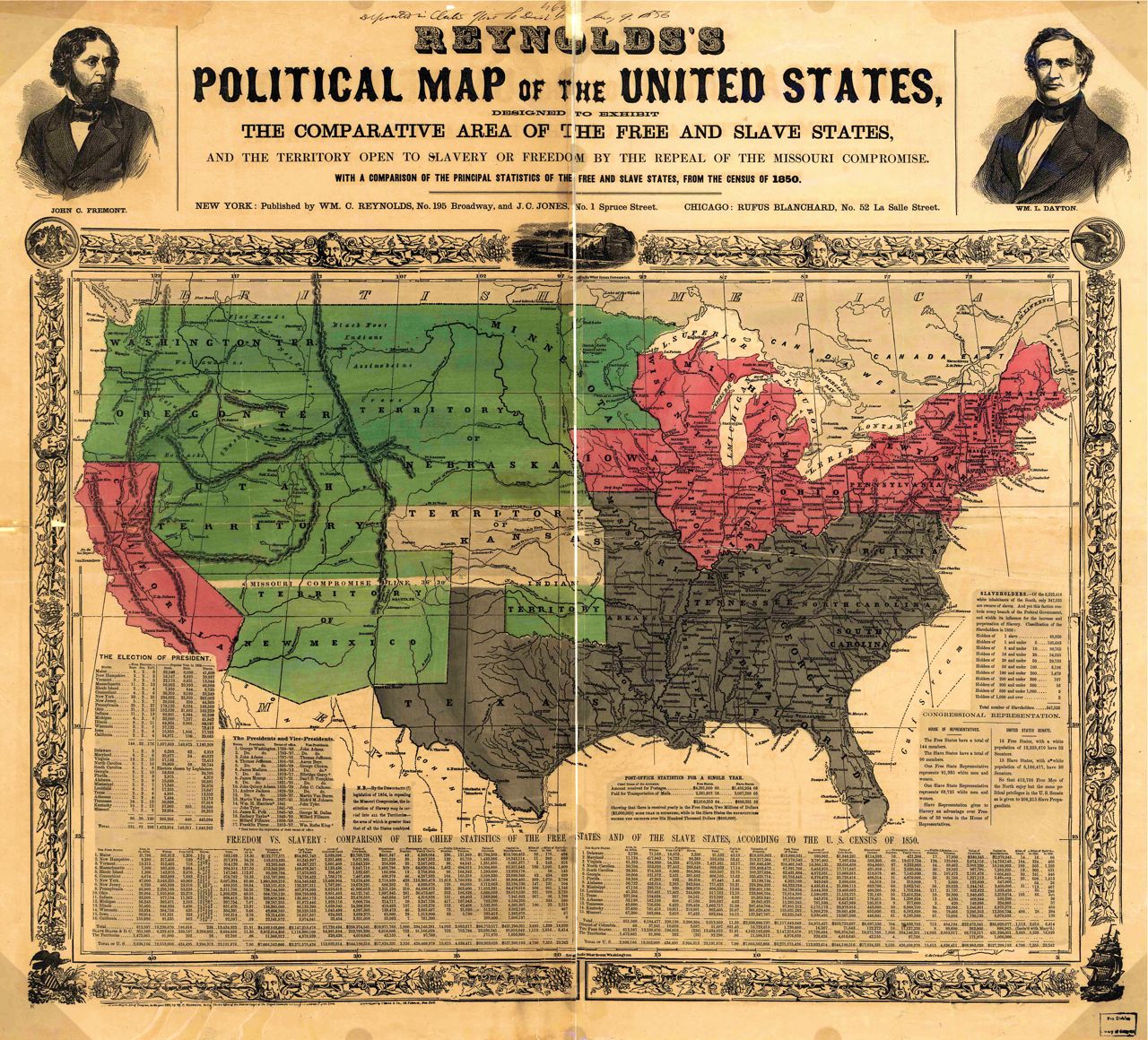
During 1854, while the Kansas-Nebraska Act was making its way through Congress and to President Franklin Pierce’s desk, there were significant developments throughout the country that would have lessen the manifest destiny fever that had captured the nation’s attention up to that point. One of the hallmarks of American progress was nearing its end. (more…)
In 1821, Mexico achieved its independence from Spain, changing the nature of America-Mexico relations. See Daniel Walker Howe, What Hath God Wrought: Transformation of America, 1815-1848, 658-59.
John Quincy Adams, Secretary of State from 1817 to 1825, was a principled, “tough negotiator.” Daniel Walker Howe, What Hath God Wrought: Transformation of America, 1815-1848, 107.
East and West Florida, property of the Spanish Empire, had become coveted land for America in the early 1800s. It could lend a strategic stronghold for America and open up the Pearl, Perdido, and Apalachicola Rivers to commercial trade. Daniel Walker Howe, What Hath God Wrought: Transformation of America, 1815-1848, 97.
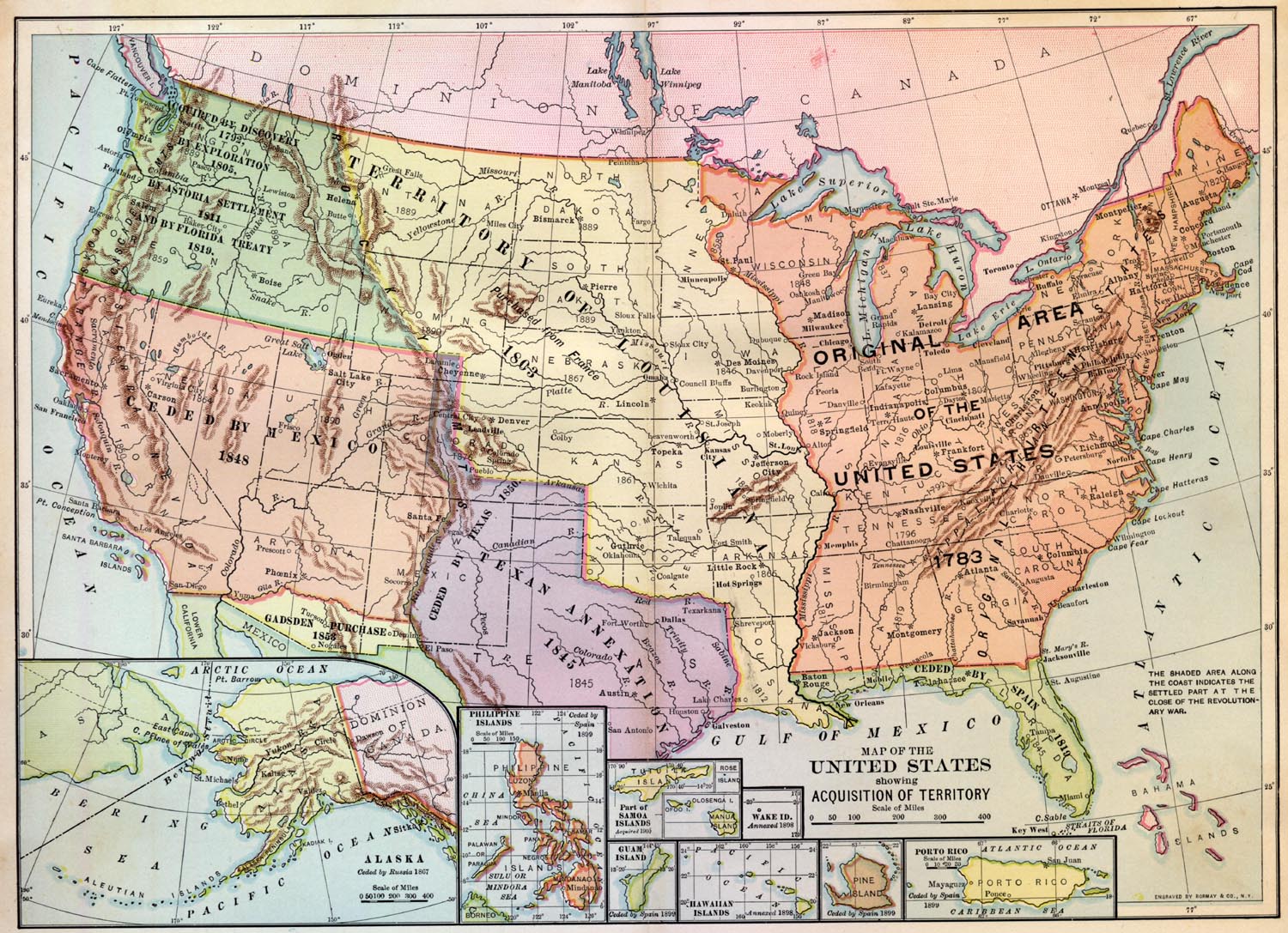
A map portraying the Louisiana Purchase’s territory.
The Louisiana Purchase in 1803 added approximately 823,000 square miles to the United States’ territory. At that time, Thomas Jefferson favored the purchase, as it protected America from the threat of France or Britain invading the United States, particularly through New Orleans. Gordon Wood, Empire of Liberty, 369. The acquisition also would force the territory of Florida, owned by Spain then, to join the United States, which it of course eventually did.
A majority of Americans saw the Louisiana Purchase as a momentous occasion for America, in that it ended the struggle for control of the Mississippi River but it also allowed America to gain independence from the European powers of France and Britain. Id.
Fisher Ames, a Representative of Massachusetts from 1789-1797, declared that the Louisiana Purchase was “a great waste, a wilderness unpeopled with any beings except wolves and wandering Indians.” He explained that it was a waste by stating: “We are to spend money of which we have too little for land of which we already have too much.” Id. He saw it as instead a way for “Imperial Virginia to move its slaveholding population westward to gain influence. Id. at 370.
Even Alexander Hamilton favored the purchase, but expressed his reservations as to its effect on the United States as a whole: Could it be made “an integral part of the United States,” or would it merely be a colony of America? Id.
Certainly, very few modern Americans would now question the wisdom and the investment of the Louisiana Purchase, for territorial purposes alone. The short term security benefits are long forgotten, as the European powers who then threatened the United States are now its strongest allies.
Nonetheless, these views by Fisher Ames and Alexander Hamilton show that even the most popular and beneficial decisions by presidents are not without dissent. Now, sometimes analysts and commentators are tempted to speculate that there was a moment in American history where a presidents’ actions were widely appreciated and admired and free of dissent.
While that may occasionally be true, even with the Louisiana Purchase, that added so much territory for settlers to use and security for the existing states, there was dissent.



 Last Best Hope of Earth