
Following the Compromise of 1850, southerners became concerned about the North securing additional concessions from the South. Aware of the South’s concerns, President Millard Fillmore tried to calm southern nerves by (more…)
Following the Compromise of 1850, southerners became concerned about the North securing additional concessions from the South. Aware of the South’s concerns, President Millard Fillmore tried to calm southern nerves by (more…)
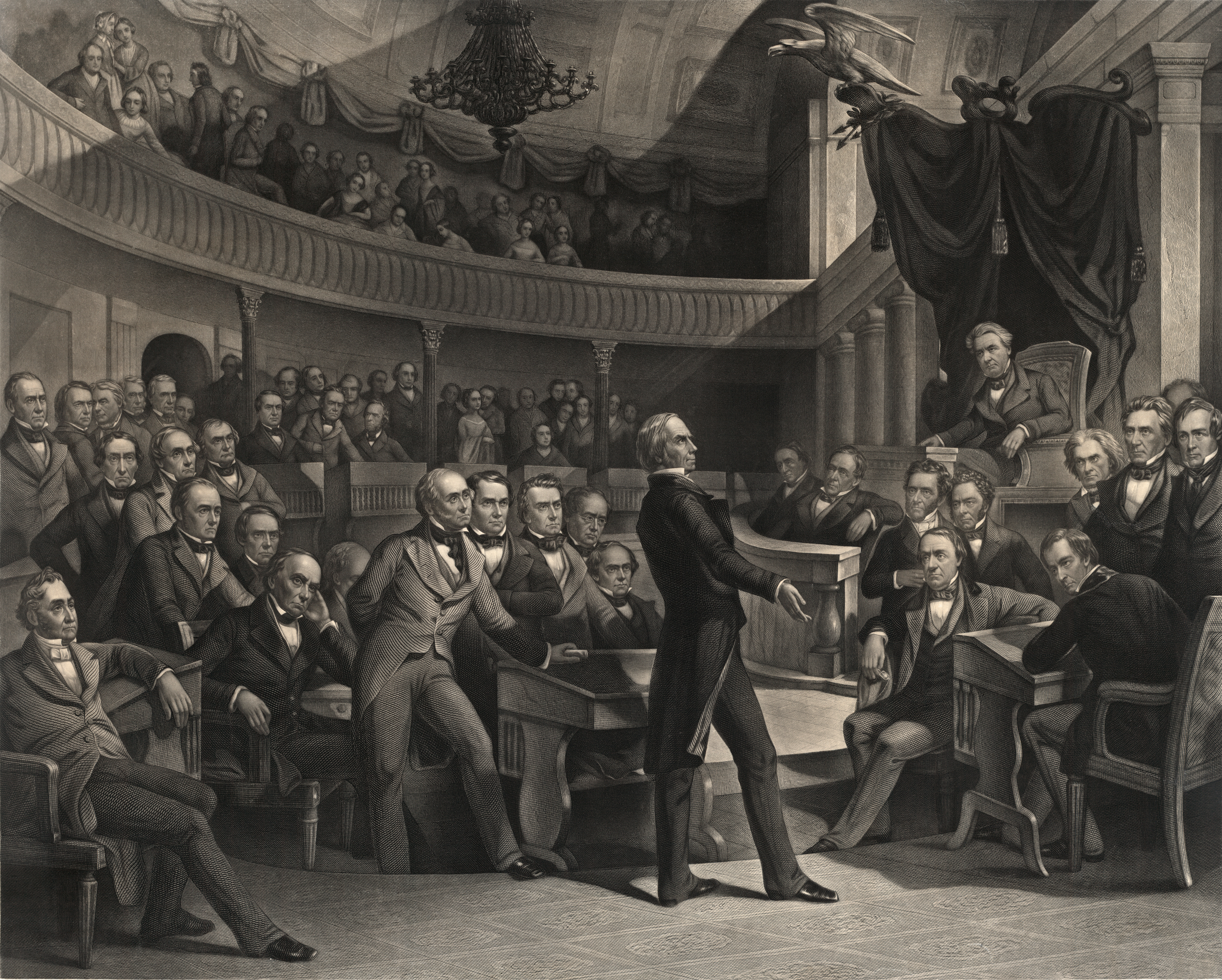
Upon President Zachary Taylor taking office, he sent a message to Congress deploring the sectionalism that was pervading the country. See David Potter, The Impending Crisis: America Before the Civil War, 1848-1861, 91. He looked to George Washington’s warnings against “characterizing parties by geographical discriminations,” which appeared by 1849 to be a prescient warning. Id. citing James D. Richardson, ed., A Compilation of the Messages and Papers of the Presidents (11 vols.; New York, 1907), V, 9-24. President Taylor offered hope for northerners and those Americans who wanted to preserve the Union with his vow: “Whatever dangers may threaten it [the Union] I shall stand by it and maintain it in its integrity.” David Potter, The Impending Crisis: America Before the Civil War, 1848-1861, 91 citing James D. Richardson, ed., A Compilation of the Messages and Papers of the Presidents (11 vols.; New York, 1907), V, 9-24. (more…)
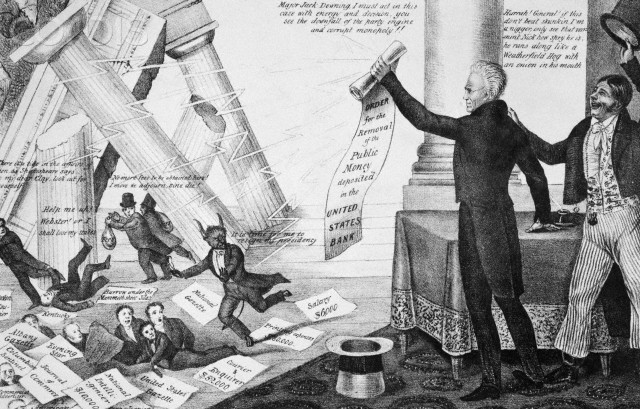
The Maysville Road was a major internal improvement that Congress had captured in a bill, the Maysville Road Bill. Daniel Walker Howe, What Hath God Wrought: Transformation of America, 1815-1848, 357. It was meant to be a link in the burgeoning transportation network, “connecting the National Road to the north with the Natchez Trace to the south and the Ohio with the Tennessee river systems.” Id.

In the first year of Andrew Jackson’s presidency, the removal of Native Americans from their lands became a top priority.
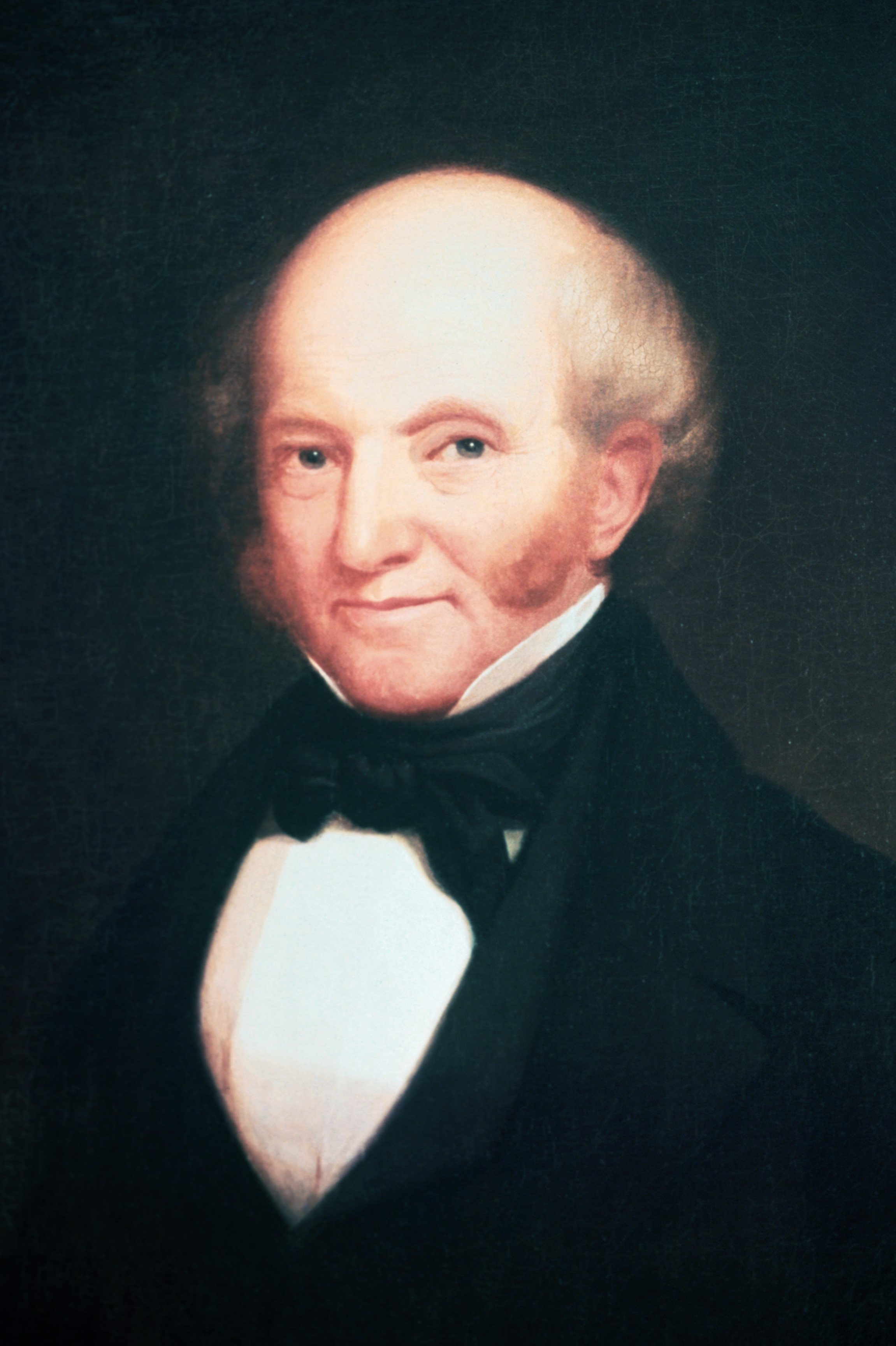
Both President John Quincy Adams and Henry Clay were of the mindset that much could be accomplished in developing the American economy with the help of the government. Martin Van Buren had different ideas, however.
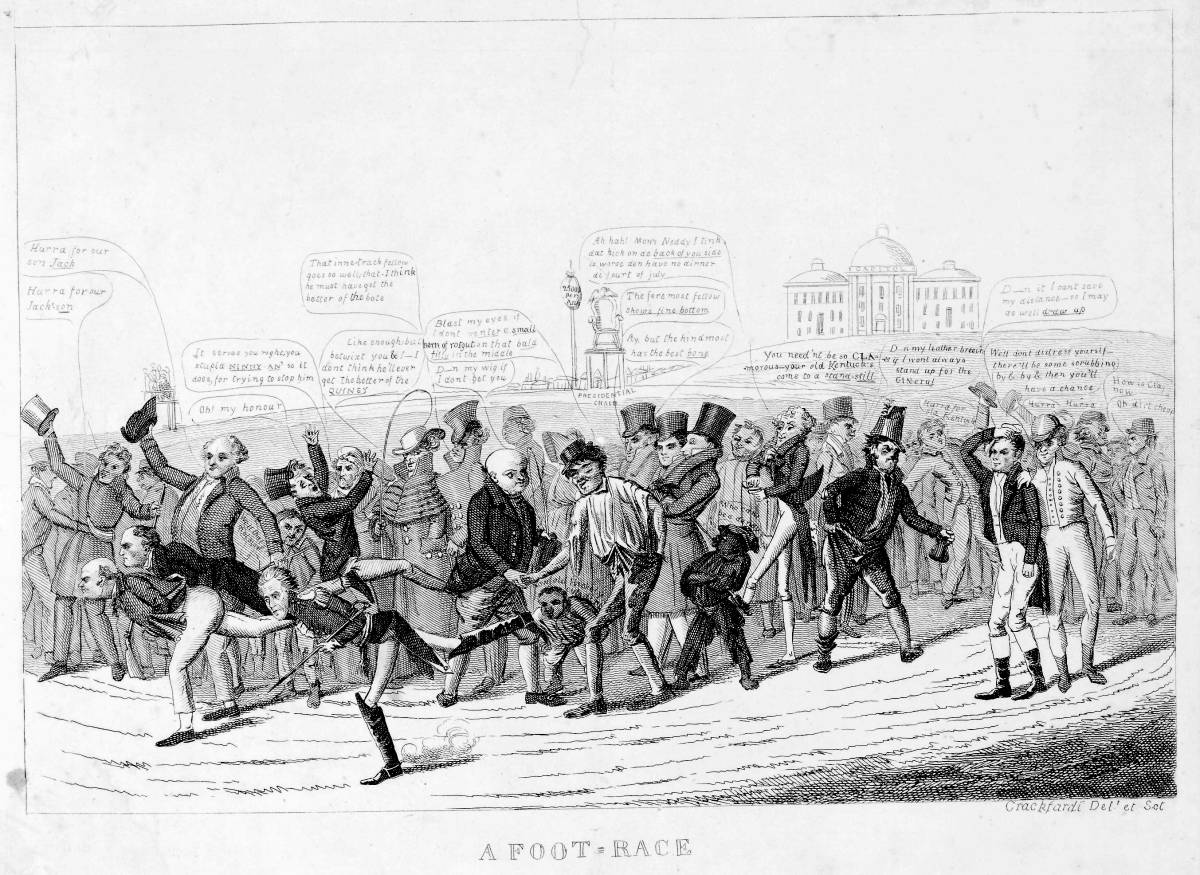
Following the Election of 1824, newly elected President John Quincy Adams went into the White House with a great deal of hope for the future. He was a lifelong student of Cicero and “envisioned the American republic as the culmination of the history of human progress and the realization of the potential of human nature.” Daniel Walker Howe, What Hath God Wrought: Transformation of America, 1815-1848, 245. In fact, historians have remarked that Quincy Adams was the “most learned president between [Thomas] Jefferson and [Woodrow] Wilson.” Id.
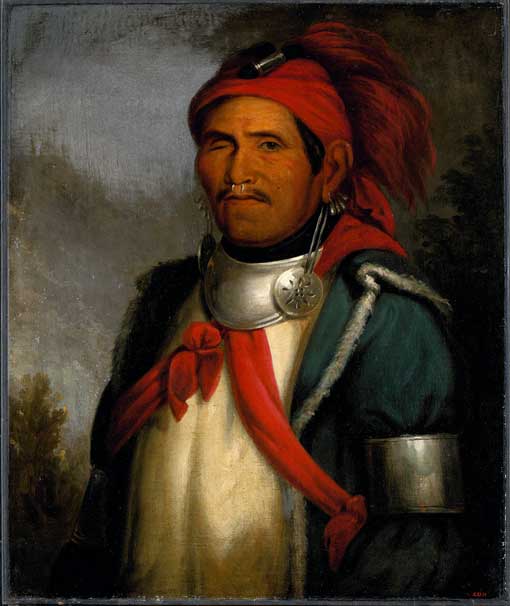
For centuries prior to the War of 1812, the Native Americans were able to manipulate the British, French, Spanish, and Americans to sustain themselves. After the War of 1812, the entirety of the land east of the Mississippi River was owned by America, effectively ended the Native Americans’ strategy. Daniel Walker Howe, What Hath God Wrought: Transformation of America, 1815-1848, 74.
 Last Best Hope of Earth