Tag: Texas

  • The Civil War: Robert E. Lee to George Washington Custis Lee

    The Civil War: Robert E. Lee to George Washington Custis Lee

    January 23, 1861

    While Robert E. Lee was serving as the acting commander of the Department of Texas at Fort Mason, in Texas, he wrote to his son George Washington Custis Lee of the events unfolding in the east—southern states beginning to secede amid antagonism from the north.

    (more…)
  • The Civil War: Sam Houston to H.M. Watkins and Others

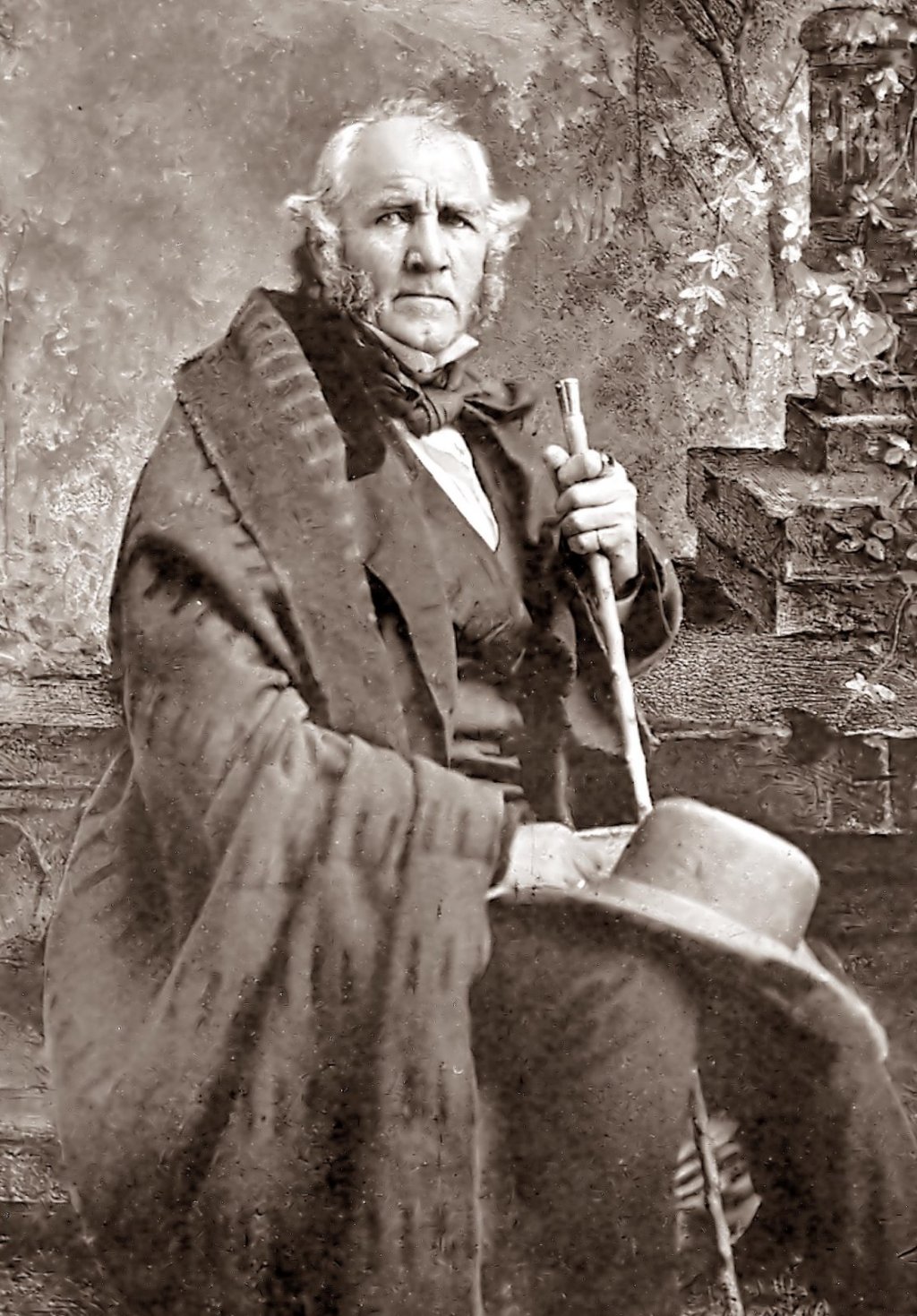
    The Civil War: Sam Houston to H.M. Watkins and Others

    Sam Houston to H.M. Watkins and Others

    November 20, 1860

    Politicians who have become household names have an ability to sway public opinion—and they know it. They can use their precious political capital to that end. But it’s a risky proposition. If they see odds they like and place their bets only to lose, they may see themselves fall out of favor, out of office, and out of the public eye. If, however, they read the moment correctly and positioned themselves just right, they may ascend further still—higher in esteem and maybe even earn their place in the collective memory of the nation.

    (more…)
  • On to Richmond

    On to Richmond

    Although the Confederacy had awakened the North’s spirit by initiating hostilities at Fort Sumter, both sides could have still hoped for reconciliation. While some advocated for immediate peace, others wished for a full prosecution of war against the South, viewing its expanding secession as nothing short of treason. By the end of spring 1861, there was a decisive answer to the question of whether there would soon be peace. (more…)

  • The Secession of the Deep South

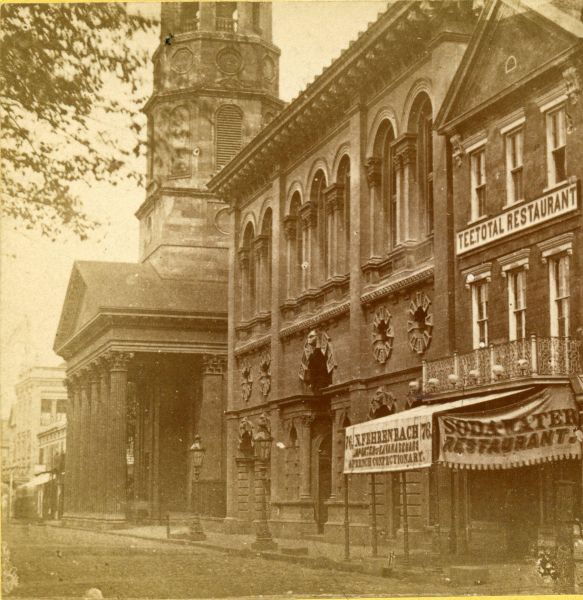
    secession-hall-583x600
    Secession Hall in Charleston, South Carolina. Credit: The Civil War Trust.

    In the wake of the disconcerting result of the Election of 1860, the nature of southern secessionism suggested the imminent secession of at least some southern states from the Union. The timing and execution of states actually seceding from the Union was unclear, but the Deep South was prepared to act first. (more…)

  • The Election of 1860

    1860photo_uscapitol_washingtoncanalvisiblie
    The United States Capitol in 1860. Courtesy: Library of Congress

    Every presidential election is consequential, but the Election of 1860 would play a significant role in whether the United States would remain one nation. The division of the North and South on the issue of slavery threatened to cause a secession of the South. The result of the election would determine whether that threat would materialize and cause a Second American Revolution. (more…)

  • Halting Manifest Destiny

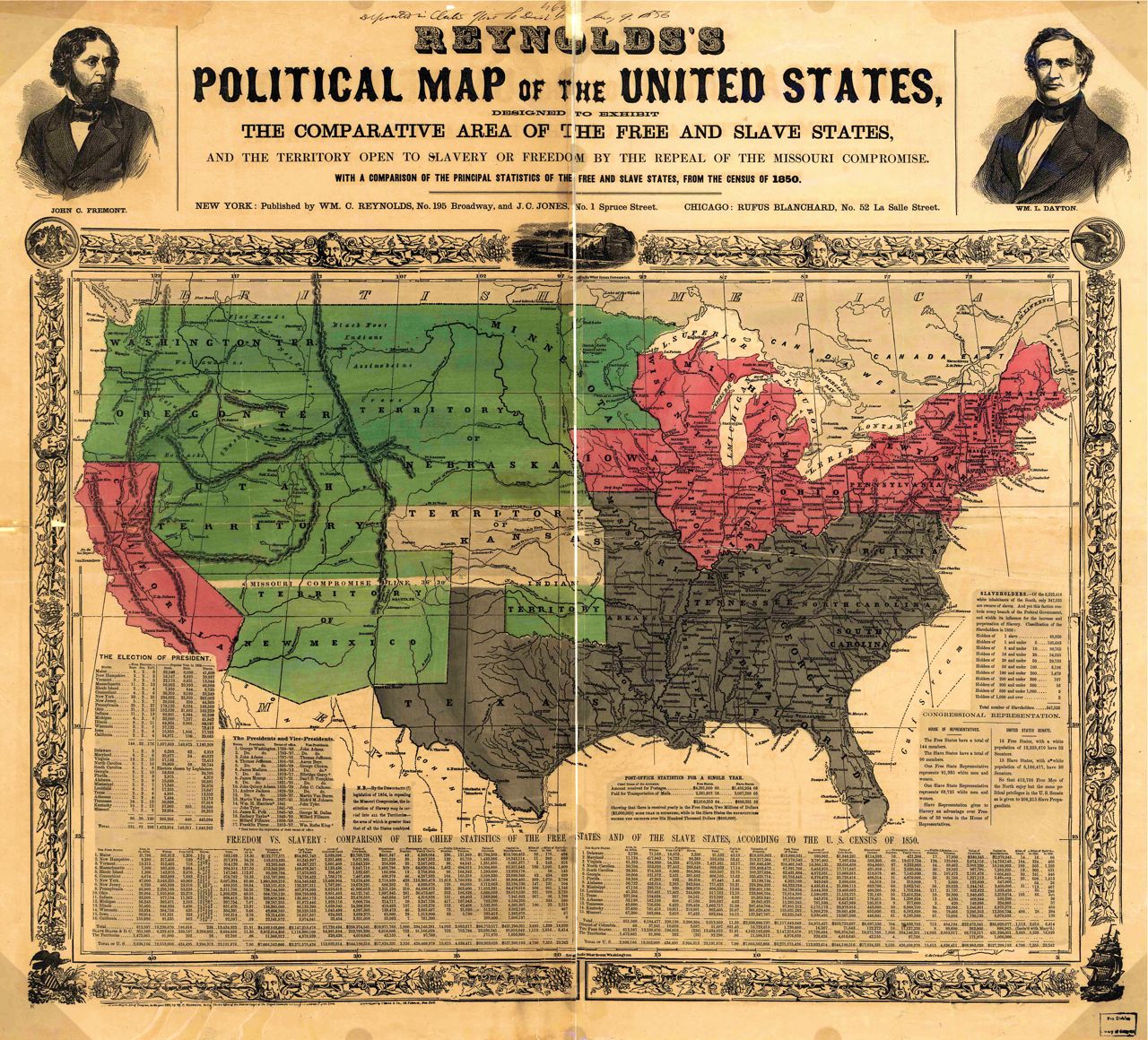
    reynolds-political-map1
    Map of America in 1850.

    During 1854, while the Kansas-Nebraska Act was making its way through Congress and to President Franklin Pierce’s desk, there were significant developments throughout the country that would have lessen the manifest destiny fever that had captured the nation’s attention up to that point. One of the hallmarks of American progress was nearing its end. (more…)

  • The Treaty of Guadalupe Hidalgo

    treaty_of_guadalupe_hidalgo
    The Treaty of Guadalupe Hidalgo.

    With the execution of the Treaty of Guadalupe Hidalgo, the Mexican-American War had come to an end. The territory that Mexico relinquished to America held “some ninety thousand Hispanics and a considerably larger number of tribal Indians,” despite President James Polk characterizing the territory as “almost unoccupied.” Daniel Walker Howe, What Hath God Wrought: Transformation of America, 1815-1848, 809.

    (more…)

  • The Taking of New Mexico

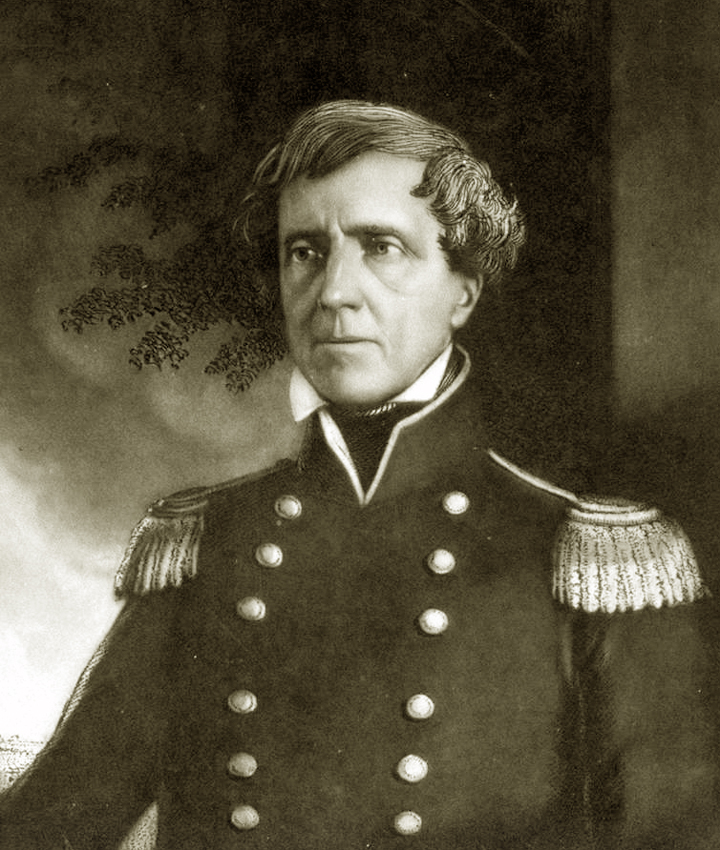
    stephen_w-_kearny
    Stephen Watts Kearny. Engraving By: Y.B. Welch.

    Upon America’s declaring war with Mexico in May 1846, President James Polk sent “the Army of the West” to New Mexico. See Daniel Walker Howe, What Hath God Wrought: Transformation of America, 1815-1848, 758. This army was sent for the sole purpose of conquest, and it was led by Brigadier General Stephen Watts Kearny. Id.

    (more…)

  • The Fight for California

    john_c-_frc3a9mont_1856
    John Fremont. Photograph: Mathew Brady. Engraving: J.C. Bottre.

    President James Polk, prior to the beginning of the Mexican-American War, had an idea for how to gain new territory for America. He was not going to limit the acquisitions solely to what could be gained with Mexico through military conflict south of Texas. He had his eyes on California and New Mexico, and he had a plan for how to get those two territories.

    (more…)

  • Negotiating with Mexico

    john_slidell_-_nara_-_528280
    Congressman John Slidell. By: Mathew Brady.

    In the fall of 1845, prior to the Mexican-American War, President James Polk attempted to use what he perceived as leverage to negotiate with the Mexican government to expand American borders.

    (more…)