Tag: Thomas Jefferson

  • The Defeat of the Bonus Bill

    james_madison_by_chester_harding_1829_img_4295
    James Madison. By: Chester Harding.

    Following the War of 1812, President James Madison was proudly touting the status of America. It had mobilized its navy to protect trade in the Mediterranean Sea, it had reestablished commercial relations with Britain, and it had pacified the Native Americans. See Daniel Walker Howe, What Hath God Wrought: Transformation of America, 1815-1848, 80.
    (more…)

  • America in 1815: The Jeffersonian Republicans

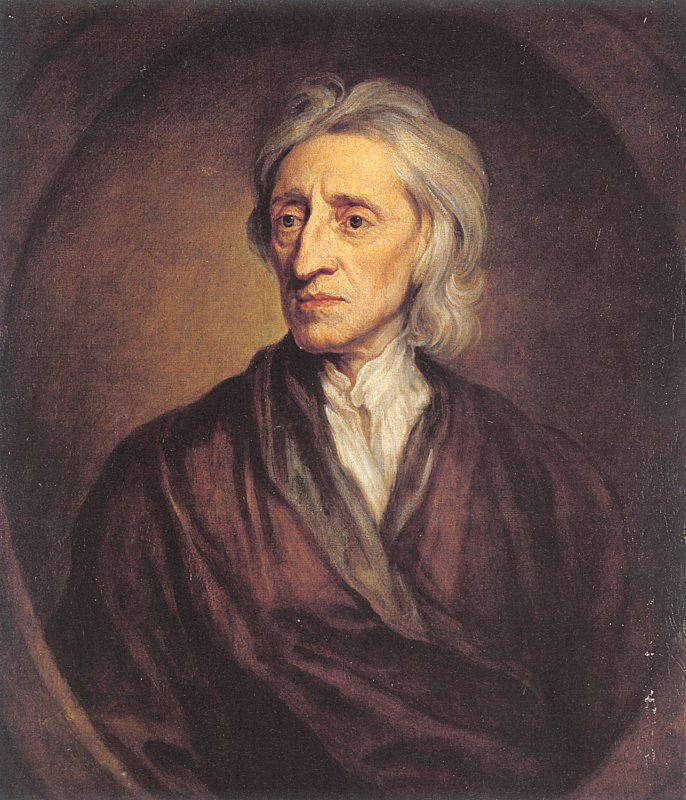
    portrait
    John Locke. By: Godfrey Kneller.

    The Republican ideology, created and led by Jefferson, manifested itself in the generation after the Founding Fathers.

    (more…)

  • Building the Bill of Rights

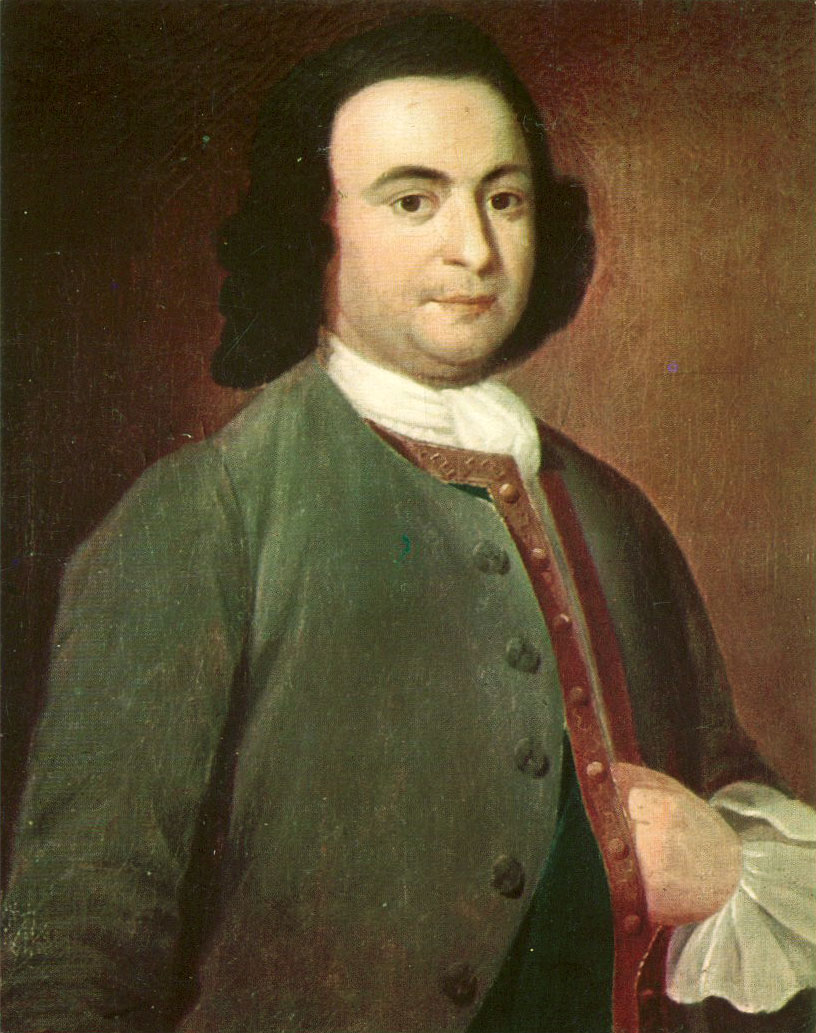
    georgemason-painting
    George Mason. By: Dominic W. Doubet.

    A bill of rights was not contemplated at the Constitutional Convention, until George Mason mentioned it in the last days of the Convention. Every state ruled it out. Rufus King, however, suggested that “as the fundamental rights of individuals are secured by express provisions in the State Constitutions; why may not a like security be provided for the Rights of the States in the National Constitution?” Gordon Wood, The Creation of the American Republic: 1776-1787, 536 quoting Farrand, ed., Records of the Federal Convention, II, 375-76, 378-79, I, 492-93.

    (more…)

  • Two Supreme Coordinate Powers

    gouverneur_morris
    Gouverneur Morris. Engraving by: J. Rogers.

    Coming out of the Philadelphia Convention, many Americans had different perspectives about what had transpired and how effective the Constitution could be as a governing document.

    (more…)

  • The Revolution’s Failure and Excesses

    port_dickinson-peale
    John Dickinson. By: Charles Willson Peale.

    The culmination of beliefs and events that led to the drafting of the Constitution were varied but also generally in agreement about the necessity of having the Constitution.

    (more…)

  • The Evil of Popular Despotism

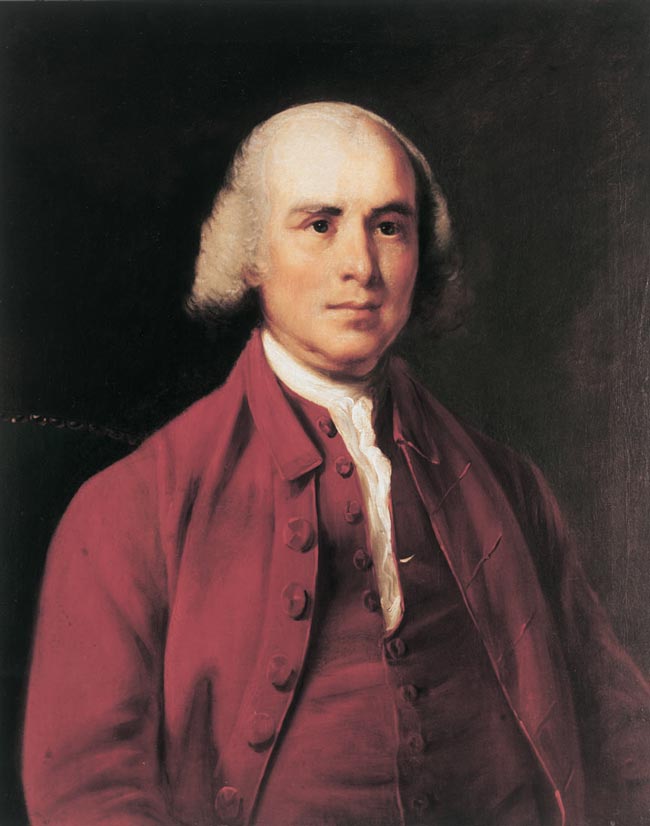
    james20madison2
    James Madison. By: H.B. Grigsby.

    James Madison had extensive beliefs about the structure of American government and the sustainability of the system.

    (more…)

  • The Inadequacy of the Confederation

    jj-1958-306-pub-001-606x750
    John Jay. By: John Trumbull.

    By 1787, the strength and stability of the states was under scrutiny. Shays’ Rebellion had erupted, citizens had become more licentious, and state legislatures appeared to be running rampant, doing significant damage to the health of the country as a whole. See Gordon Wood, The Creation of the American Republic: 1776-1787, 465.

    (more…)

  • The Erosion of Separation of Powers

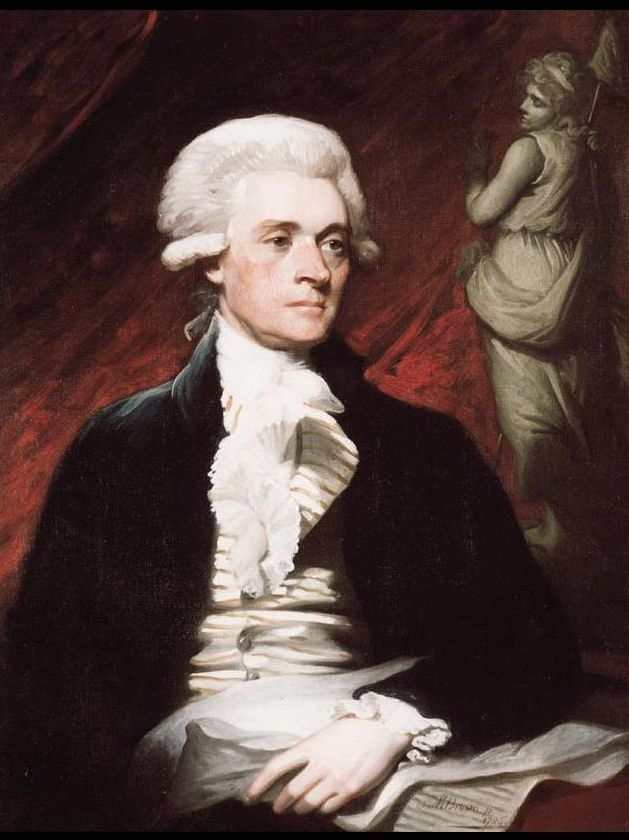
    thomas_jefferson_1786_by_mather_brown
    Thomas Jefferson. By: Mather Brown. 1786.

    In the 1780s, there began to be a distinct erosion of the doctrine of separation of powers.

    (more…)

  • A Moral Reformation

    Imacon Color Scanner
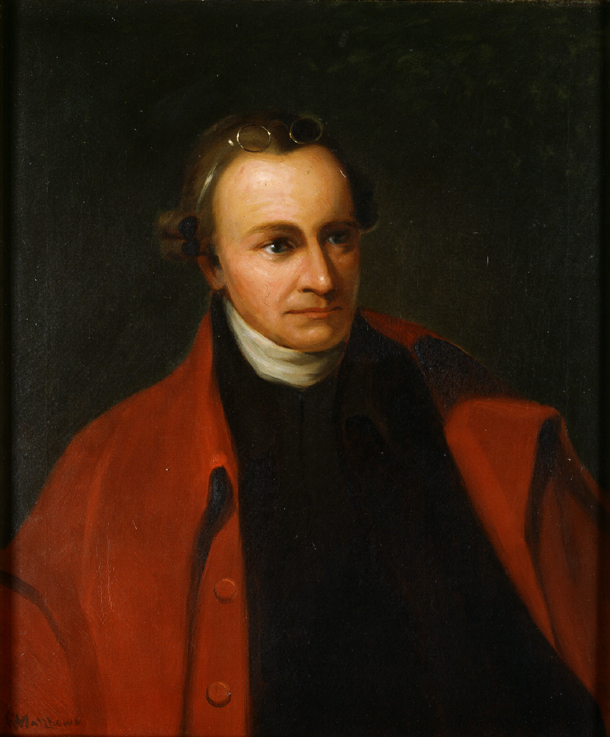
    Patrick Henry. By: George Bagby Matthews.

    As eluded to in Virtue as a Principle and Foundation, vices had come to plague American society shortly after the American Revolution. Patrick Henry said, in 1780, that he “feared that our Body politic was dangerously sick,” as from top to bottom, society appeared to be embracing vice. Patrick Henry to Jefferson, Feb. 15, 1780, Boyd, ed., Jefferson Papers, III, 293.

    (more…)

  • Building the Momentum of the Revolution

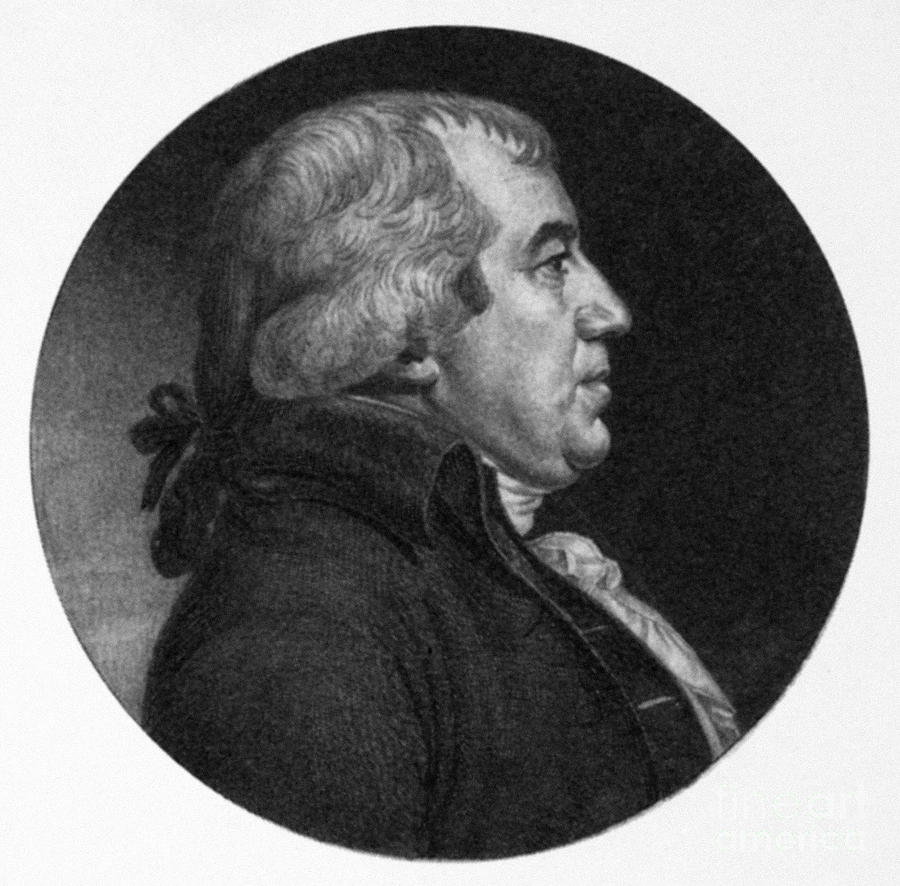
    james-iredell-1751-1799-granger
    James Iredell. By: Charles Balthazar Julien Fevret de Saint-Memin.

    For a revolution, and particularly a bloodless revolution, to occur, the momentum must build so that the population’s outrage culminates in a change of power and a change of government. How the people sparking the flame that leads to the roaring fire of revolution is a subject worth studying, as revolutions are an inevitable fact of life in the world.

    (more…)