Tag: Transportation Revolution

  • The Progress of Women in the 1830s and 1840s

    dix-dorothea-loc
    Dorothea Dix.

    Around the 1830s and 1840s, individuals who suffered from mental illness were treated as criminals, regardless of whether they had actually committed a crime. See Daniel Walker Howe, What Hath God Wrought: Transformation of America, 1815-1848, 604. Dorothea Dix sought to change that.

    (more…)

  • The Illinois System

    abraham_lincoln_by_nicholas_shepherd2c_1846-crop
    Abraham Lincoln in 1846, then Representative from Illinois. By: Nicholas H. Shepherd.

    Abraham Lincoln, as a Congressman in the House of Representatives, would be “an ardent supporter of internal improvements.” Daniel Walker Howe, What Hath God Wrought: Transformation of America, 1815-1848, 596.

    (more…)

  • American Cities in the Early 1800s

    cincinnati_harbour_1838
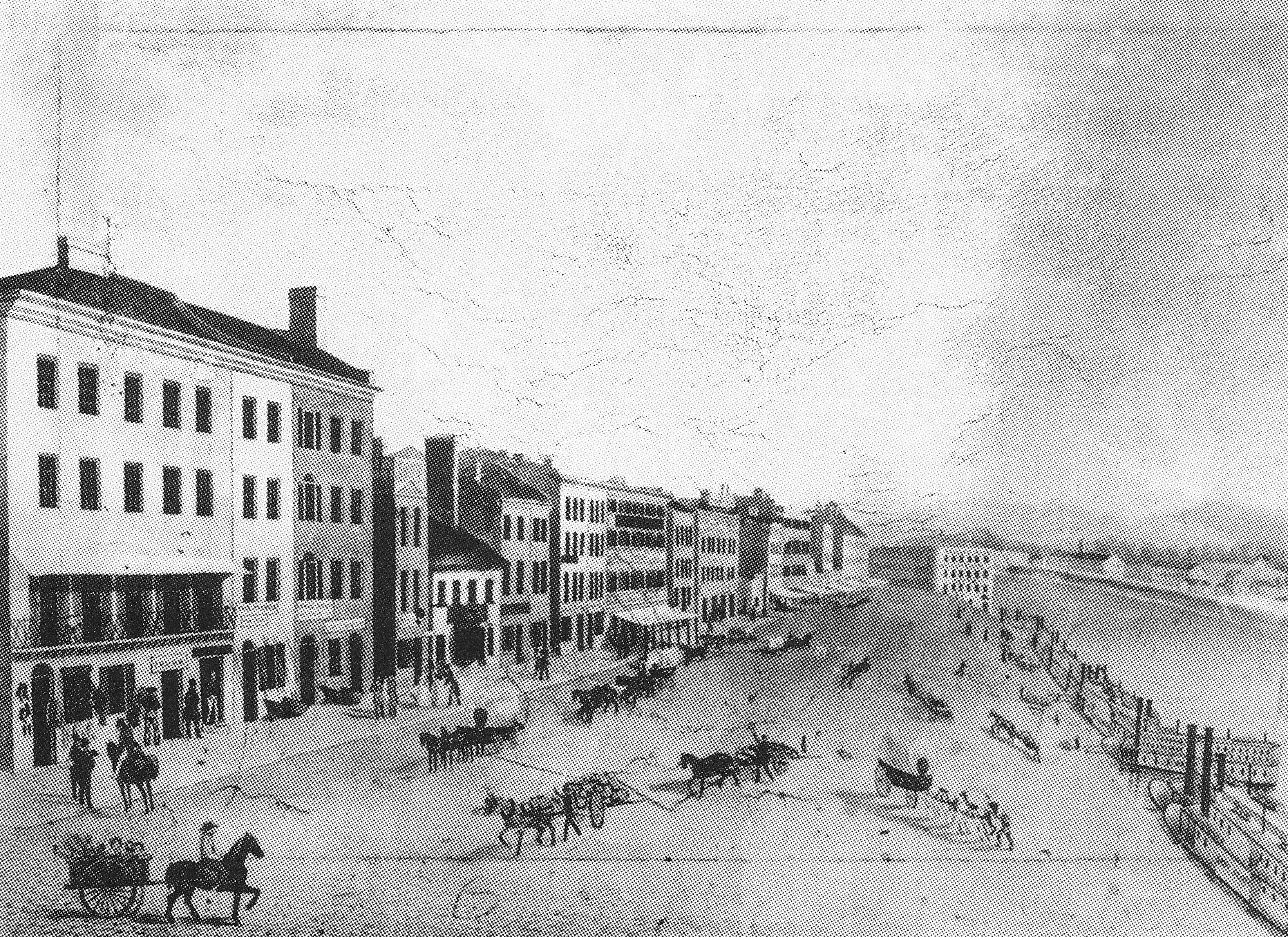
    Cincinnati Harbor in 1838. By: Josef Motschmann.

    From the 1820s through the 1840s, America’s cities were changing rapidly due to the transportation revolution, technological advances, and world events.

    (more…)

  • Patronage and Prosperity

    amos_kendall_by_mathew_brady
    Photograph of Amos Kendall.

    Amos Kendall was a journalist and a staunch supporter of President Andrew Jackson. In return for his support, he was one of President Jackson’s closest advisors, save Martin Van Buren. Kendall even “formulated the rationale for the spoils system as ‘rotation in office’ and ghostwrote the Bank Veto Message as well as several of Jackson’s other major state papers.” Daniel Walker Howe, What Hath God Wrought: Transformation of America, 1815-1848, 495.

    (more…)

  • The Early Federal Government Surplus

    henry-clay-orator
    Henry Clay Addressing the Senate.

    Toward the end of President Andrew Jackson’s second term, the federal government had come to enjoy a substantial surplus, primarily coming as a result of land sales and “proceeds from the Tariff 0f 1833.” Daniel Walker Howe, What Hath God Wrought: Transformation of America, 1815-1848, 499.

    (more…)

  • Quincy Adams’ Economic Agenda

    john-quincy-adams
    John Quincy Adams Shakes Hands with Admiral of the Fleet James Gambier. By: Amedee Forestier.

    President John Quincy Adams, in his First Annual Message to Congress delivered on December 6, 1825, set forth his agenda for developing the American economy. Daniel Walker Howe, What Hath God Wrought: Transformation of America, 1815-1848, 251.

    (more…)

  • Infrastructure’s Fostering of Democracy

    michel-chevalier-xx-leon-cogniet
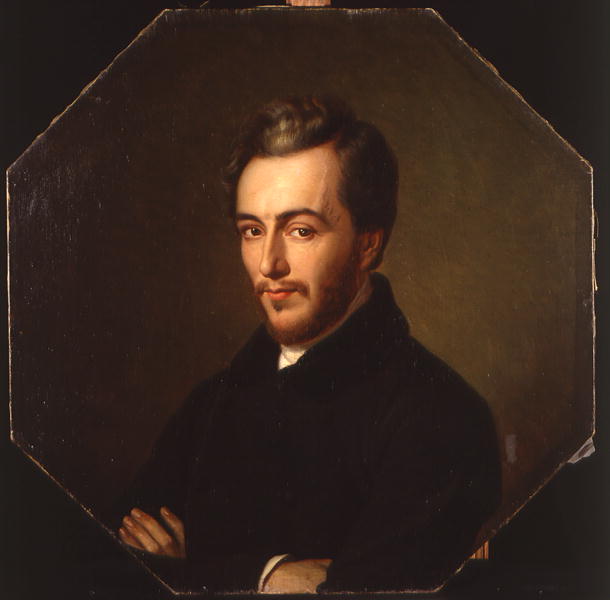
    Michel Chevalier. By: Leon Cogniet.

    In 1833, a French engineer, Michel Chevalier, arrived in America and was fascinated by the infrastructure that surrounded him. Daniel Walker Howe, What Hath God Wrought: Transformation of America, 1815-1848, 241.

    (more…)

  • The Transportation Revolution

    BF9078F5-155D-451F-6702CDB371CB71CD
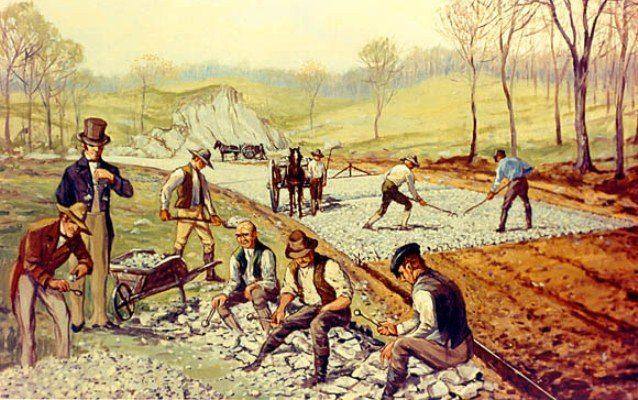
    Depiction of the Building of the National Road.

    Following the end of the War of 1812, the United States underwent a transportation revolution. This transportation revolution came about as a result of Americans moving westward but also as more Americans moved into cities to engage in industrial work. Daniel Walker Howe, What Hath God Wrought: Transformation of America, 1815-1848, 212. (more…)