Tag: Vermont

  • The Civil War: George Templeton Strong: Diary, November 20-December 1, 1860

    The Civil War: George Templeton Strong: Diary, November 20-December 1, 1860

    November 20, 1860 to December 1, 1860

    New York City

    State laws often have an outsized influence on discussions of national politics. This is despite the fact that one state’s laws have no binding effect in other states; then, add to that the fact that some states will pass laws with little intent or resources backing the enforcement of those laws. Those are the laws that can be nothing more than pieces of paper as props in the political theater. But, when those laws touch on an inflammatory issue, the practicalities of the laws become irrelevant. The only thing that matters then is that the laws exist and that they could spread to other states, disrupting the status quo and creating concern as to the path that the nation and its states have chosen.

    (more…)
  • The Evolving Political Parties of the 1850s

    panoramic-view-of-washington-city-e-sachse-and-co-1856
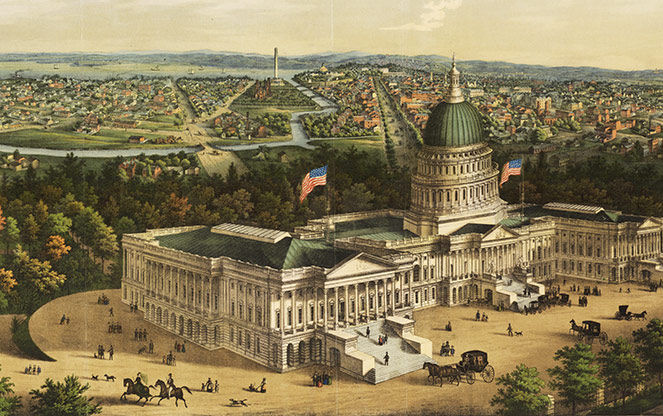
    Panoramic View of Washington, DC in 1856. Courtesy: E. Sachse & Co.

    The Democratic Party and Whig Party were the dominant political parties from the early 1830s up until the mid-1850s. Both were institutions in national politics despite not having a coherent national organization by cobbling together a diverse group of states to win elections. While the Democrats had a more populist agenda, the Whigs were more focused on pursuing industrialization and development of the country. See David Potter, The Impending Crisis: America Before the Civil War, 1848-1861, 226. While the Democratic Party would survive to the present day, the Whig Party would not survive the mid-1850s, not as a result of its own ineptness but because of the changing political landscape of that era. (more…)

  • The Fugitive Slave

    john_houstin_hires
    The Fugitive Slave. By: John Houston. 1853.

    The Fugitive Slave Act, passed as part of the Compromise of 1850, was intended to resolve the tension surrounding the issue of slavery. Its provisions, however, ensured that it would not have such an alleviating effect.¹ The Act “denied the alleged fugitive any right to jury trial, not even guaranteeing it in the jurisdiction from which he had escaped.” David Potter, The Impending Crisis: America Before the Civil War, 1848-1861, 131. It also allowed a court to appoint a commissioner to decide a fugitive slave’s case. See id. That commissioner was entitled to a $10 fee where the “alleged fugitive was delivered to the claimant,” but if the slave was set free, the commissioner would receive only a $5 fee, creating an incentive for returning fugitives to slavery. Id. Finally, the Act gave federal marshals the power “to summon all citizens to aid in enforcement of the Act.” Id. citing Stanley W. Campbell, The Slave Catchers: Enforcement of the Fugitive Slave Law, 1850-1860 (Chapel Hill, 1968). (more…)

  • Laboratories of Democracy

    colonial_williamsburg_governors_palace_front_dscn7232
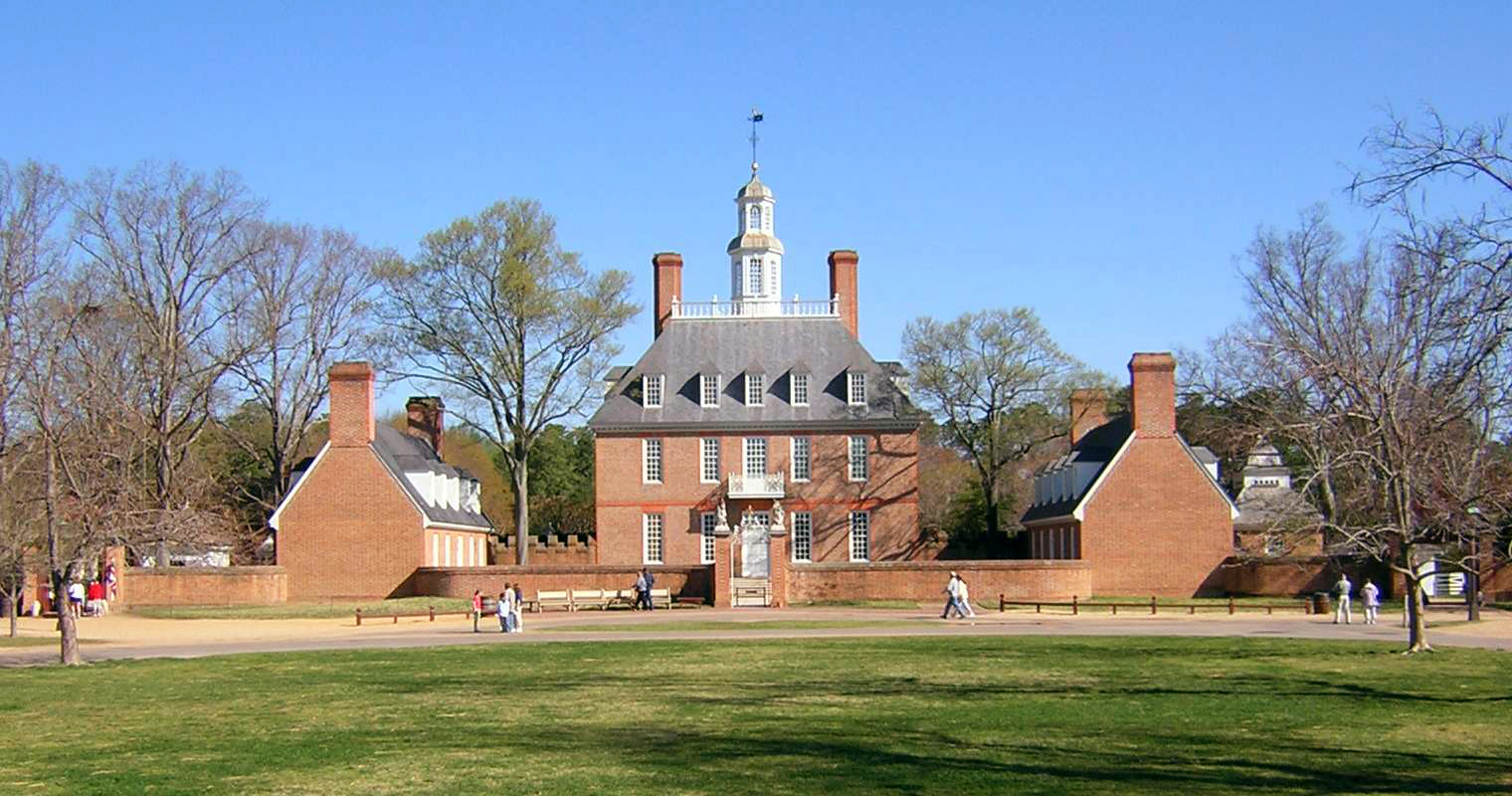
    Governor’s Palace. Williamsburg, Virginia.

    In the months leading up to the Declaration of Independence, the states began the process of adopting their own constitutions. These constitutions, being drafted in 1776, approximately 13 years before the United States Constitution would be ratified, had to confront many of the same issues as the United States Constitution, with various approaches being taken. (more…)