The Whigs had their own approach to interpreting manifest destiny, and that approach mainly applied to shaping America’s foreign policy.
The Whigs had their own approach to interpreting manifest destiny, and that approach mainly applied to shaping America’s foreign policy.
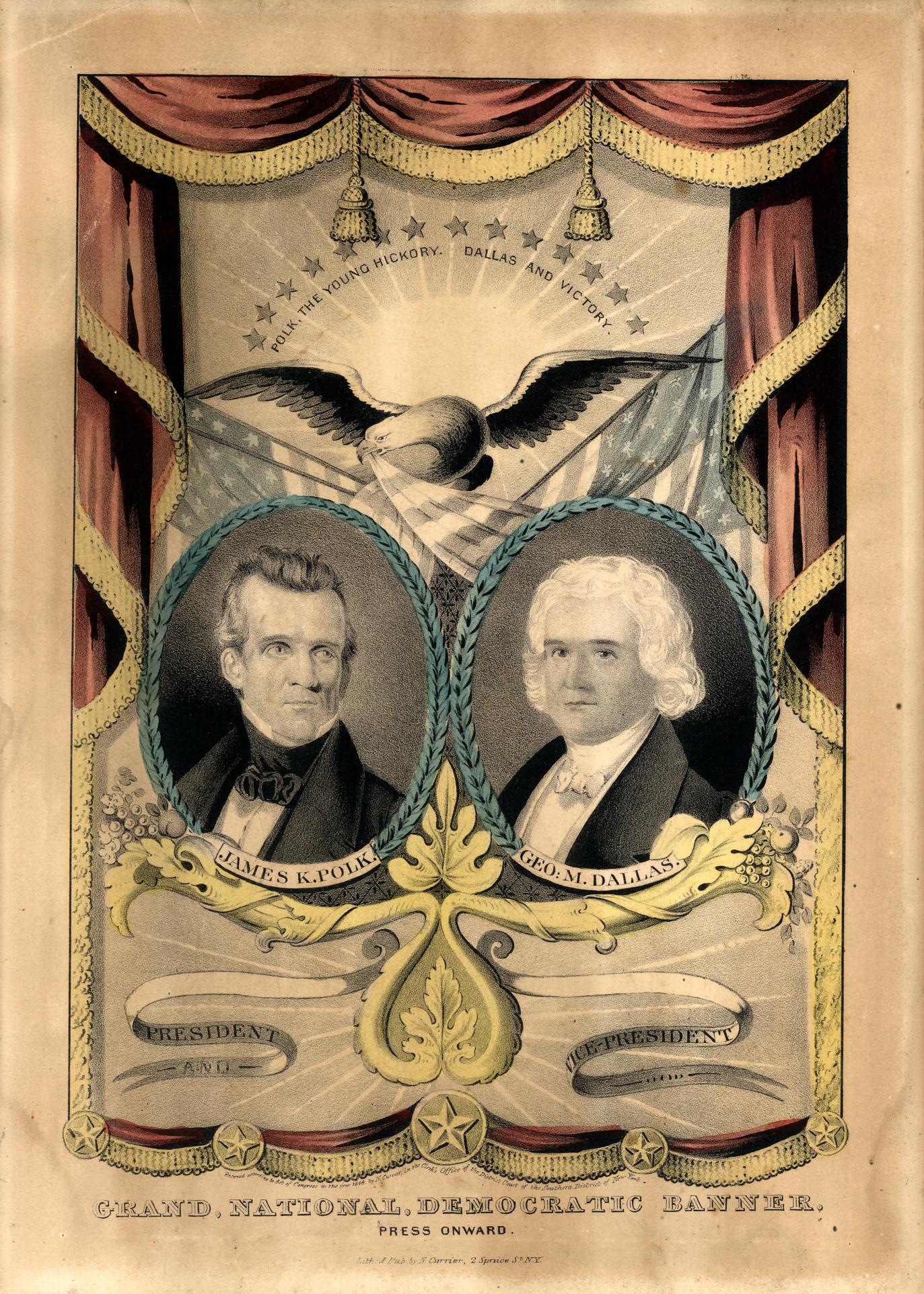
Throughout the first twelve days of November of 1844, the population voted for the next president. Voters had to pick between the Democrat, James Polk, the Whig, Henry Clay, and the Liberty Party’s candidate, James Birney. See Daniel Walker Howe, What Hath God Wrought: Transformation of America, 1815-1848, 688.
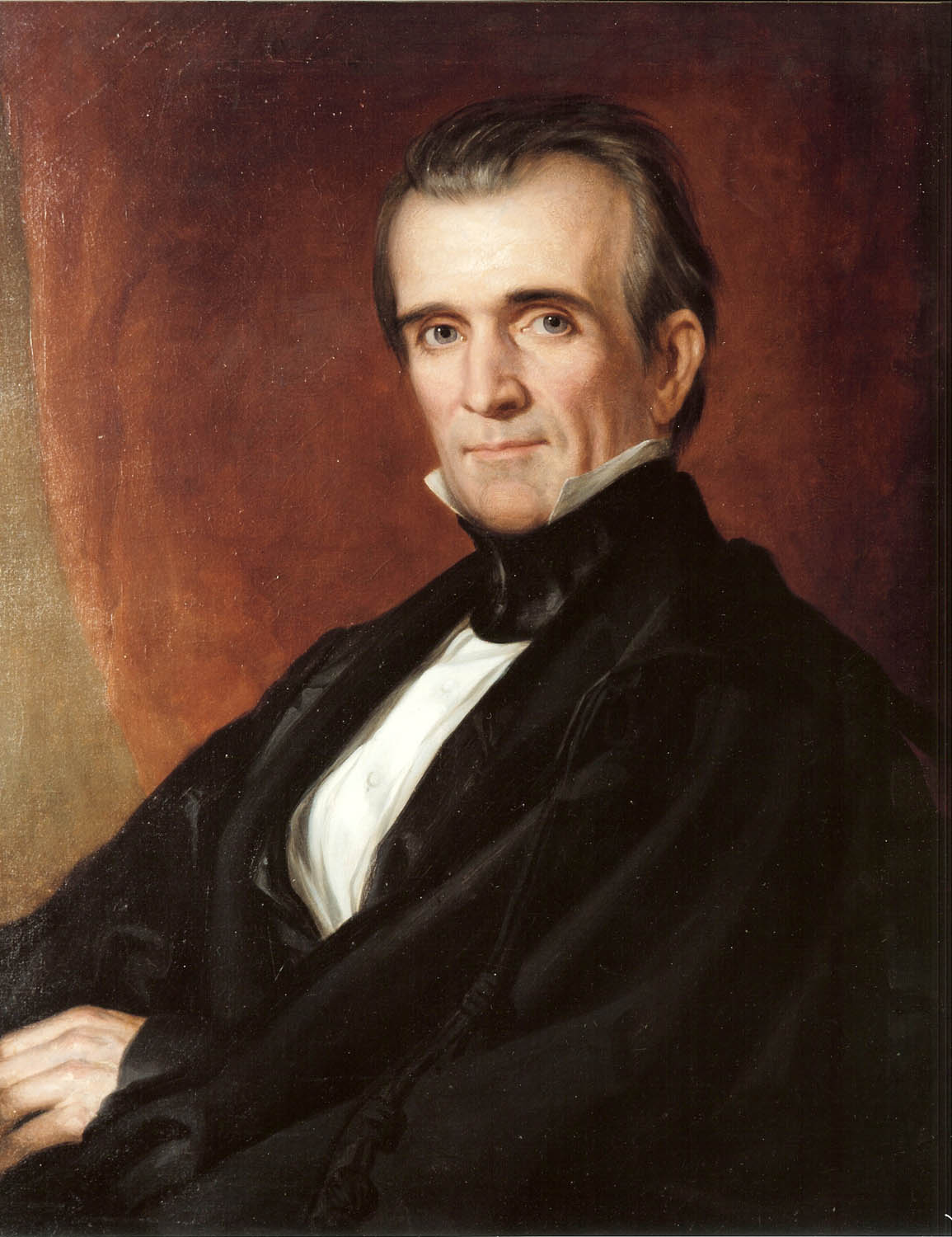
The Election of 1844 was one of the most momentous in American history.
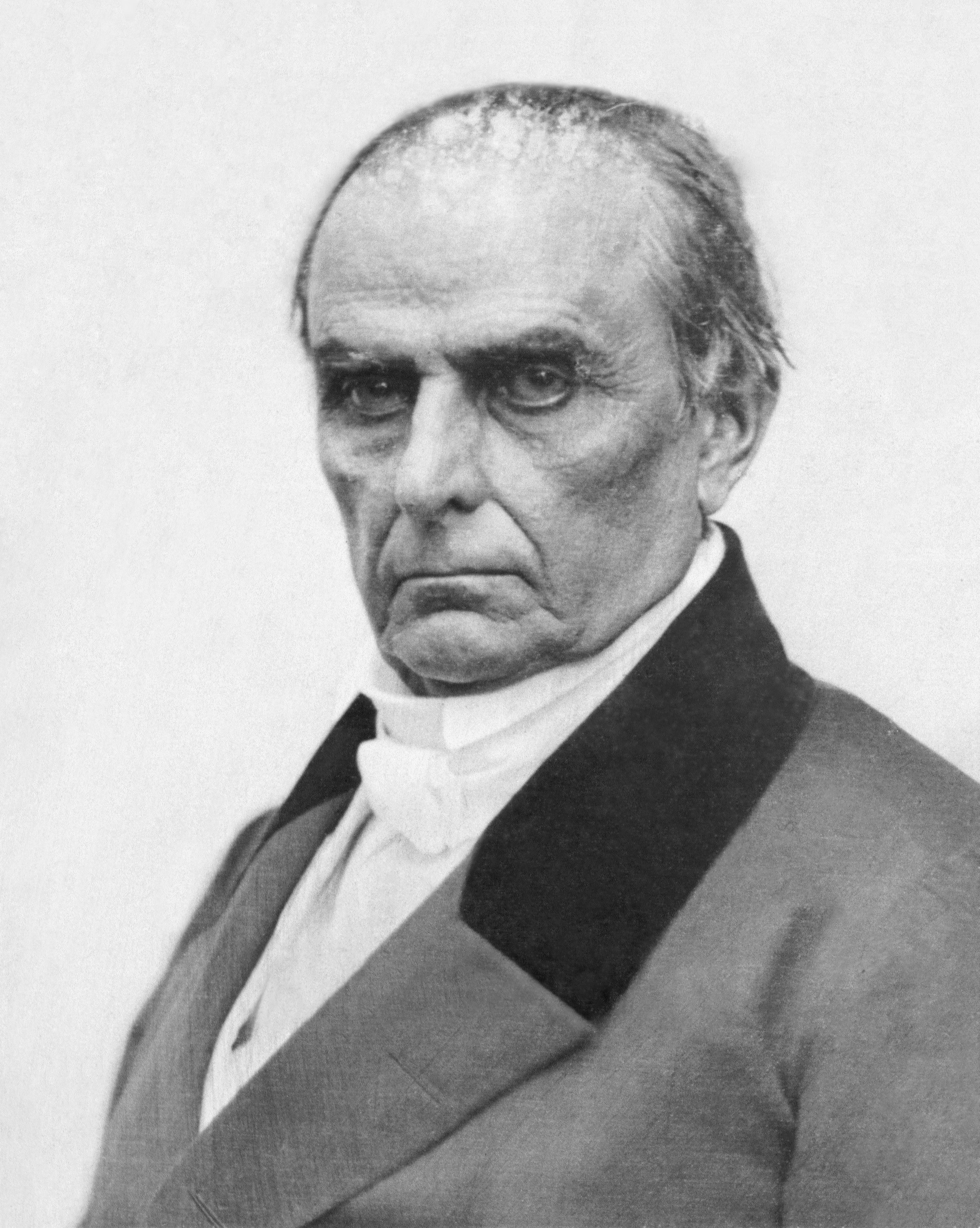
Daniel Webster, the Secretary of State under President John Tyler, brought a breadth of experience and dignity to the office, but he also brought “a different perspective on Anglo-American relations.” Daniel Walker Howe, What Hath God Wrought: Transformation of America, 1815-1848, 672.

Following the Election of 1840, members of the Whig Party must have been optimistic about their future. They likely imagined that the dominance of the Jacksonian Democrats could be replicated within the ranks of the Whigs and supplant the Democrats. It was not to be, however.
While the Democrats had held up Andrew Jackson as the ideal man, the Whigs began to view Abraham Lincoln in the 1840s as the ideal man, even though his personality was “artificial—that is, self-constructed.” Daniel Walker Howe, What Hath God Wrought: Transformation of America, 1815-1848, 598.

Abraham Lincoln, as a Congressman in the House of Representatives, would be “an ardent supporter of internal improvements.” Daniel Walker Howe, What Hath God Wrought: Transformation of America, 1815-1848, 596.

In the wake of the Panics of 1837 and 1839, Congress sent the White House a new bill to be signed into law: The Bankruptcy Act of 1841. See Daniel Walker Howe, What Hath God Wrought: Transformation of America, 1815-1848, 593. From then on, bankruptcy would be part of American life, providing an option for when debts become overwhelming.

Following William Henry Harrison’s death just a month into his presidency in 1841, John Tyler rose to the presidency, in the first instance of a president dying while holding the office. See Daniel Walker Howe, What Hath God Wrought: Transformation of America, 1815-1848, 589.

In 1832, Henry Clay addressed the Senate, expressing his hope that “some day,” America “would be rid of this, the darkest spot on its mantle,” speaking of slavery. Daniel Walker Howe, What Hath God Wrought: Transformation of America, 1815-1848, 586 quoting Life, Correspondence, and Speeches of Henry Clay, ed. Calvin Colton (New York, 1857), I, 189, 191.
 Last Best Hope of Earth