Tag: Whigs

  • Election of 1840: The Rhetoric

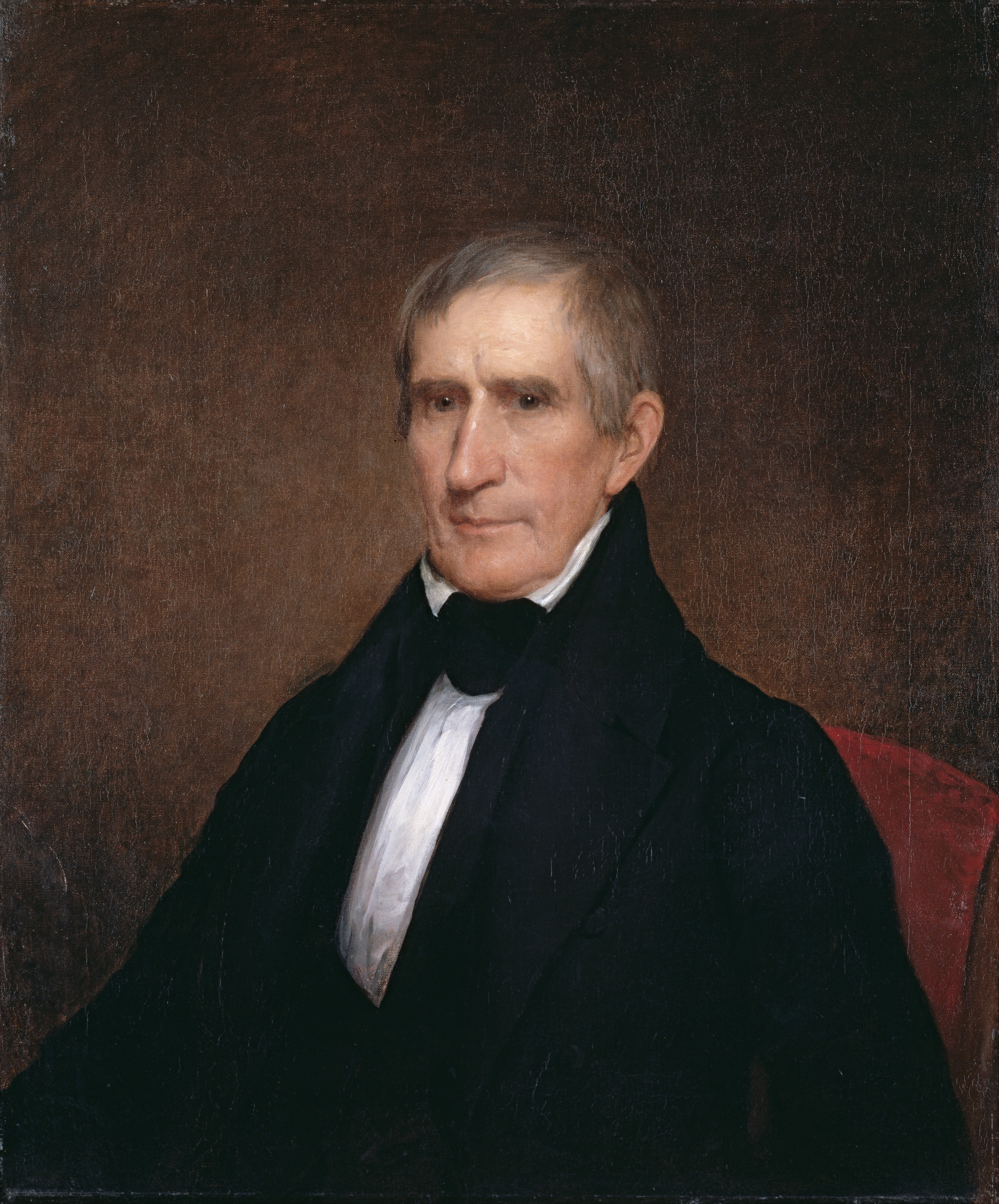
    albert_gallatin_hoit_-_william_henry_harrison_-_google_art_project
    William Henry Harrison. By: Albert Gallatin Hoit.

    The Election of 1840 juxtaposed the Whig Party’s policies against the Democratic Party’s more fluid policies. The Whigs “possessed a more coherent program: a national bank, a protective tariff, government subsidies to transportation projects, the public lands treated as a source of revenue, and tax-supported public schools.” Daniel Walker Howe, What Hath God Wrought: Transformation of America, 1815-1848, 583-84. The Democrats did not have such rigid policies, relying instead on the “emotional bond” they they had with their followers, rather than policy initiatives. Id. at 584 citing Matthew Crenson, The Federal Machine: Beginnings of Bureaucracy in Jacksonian America (Baltimore, 1975), 29.

    (more…)

  • Election of 1840: Voter Turnout

    franceswright
    Frances Wright. By: John Chester Buttre.

    The Election of 1840 is one that stands out in history. That is for principally one reason: voter turnout.

    (more…)

  • Election of 1840: The Campaign

    harrisonlogcabincampaign
    Depiction of William Henry Harrison with a Log Cabin and Hard Cider.

    As was customary until 1904, an incumbent president did not campaign openly for his re-election. This was true for President Martin Van Buren as well. See Daniel Walker Howe, What Hath God Wrought: Transformation of America, 1815-1848, 573.

    (more…)

  • The Inauguration of William Henry Harrison

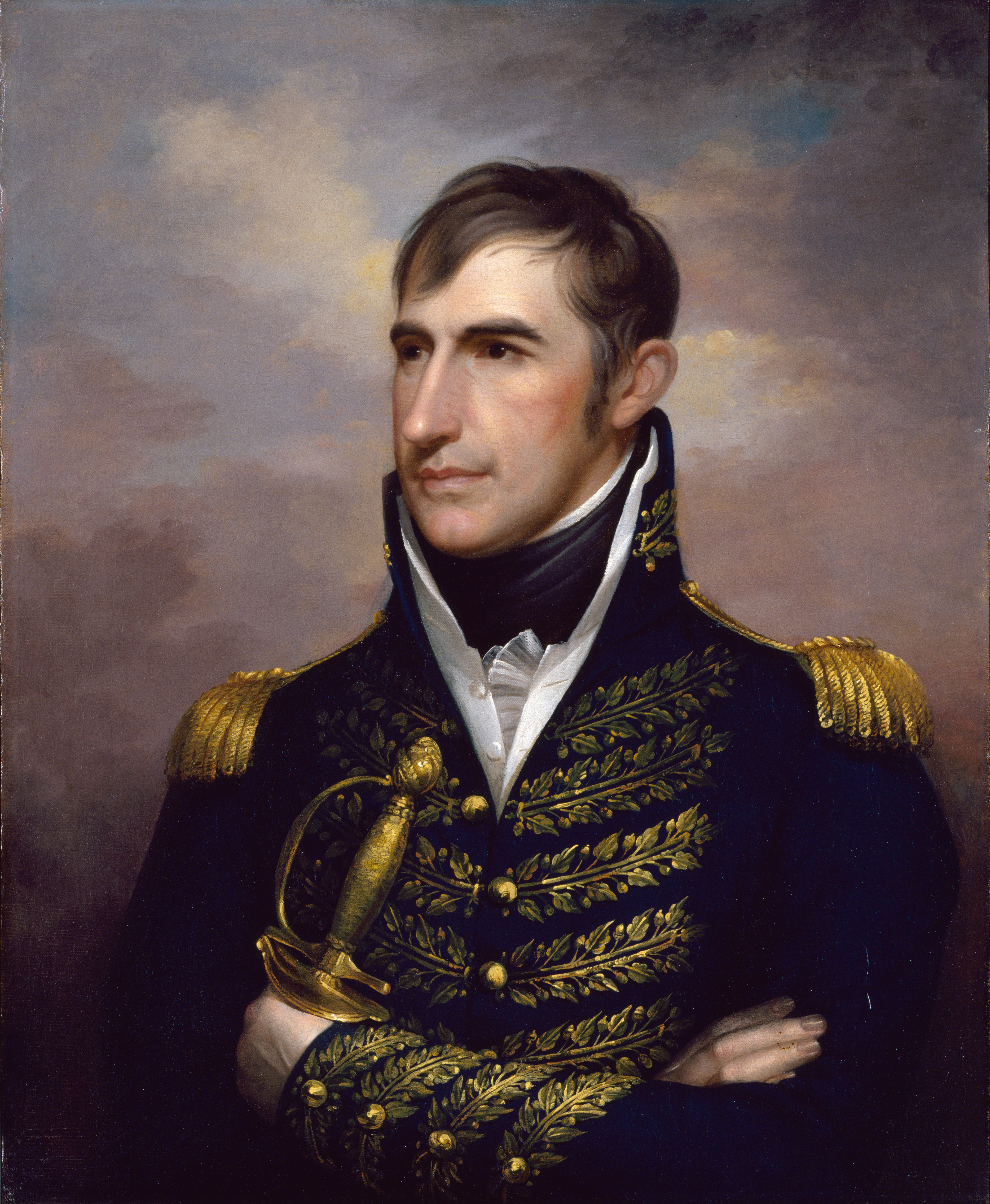
    rembrandt_peale_-_william_henry_harrison_-_google_art_project
    William Henry Harrison. By: Rembrandt Peale.

    William Henry Harrison, a Whig, won the White House in the election of 1840. In March 1841, for his inauguration, he stood in the cold and wind and spoke for an hour and a half. See Daniel Walker Howe, What Hath God Wrought: Transformation of America, 1815-1848, 570.

    (more…)

  • The Classification of Americans

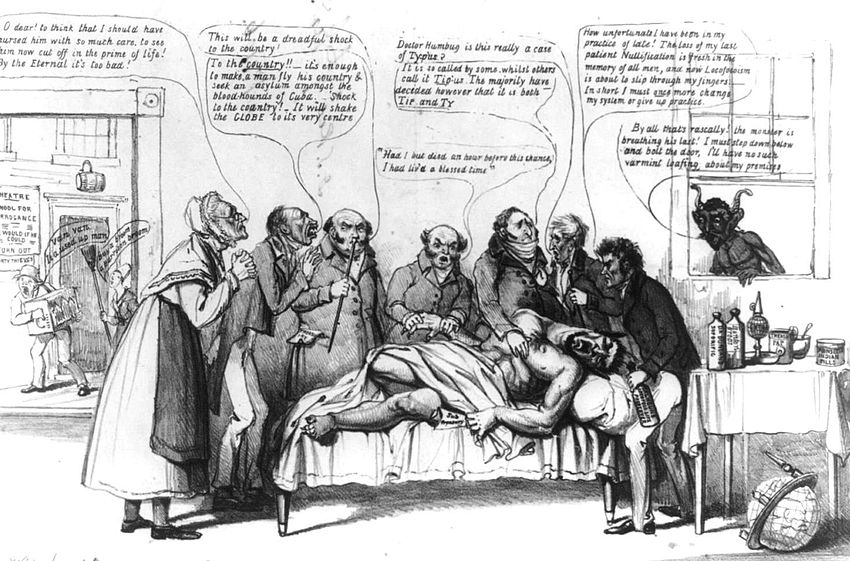
    850px-death_of_locofocoism_crop
    Cartoon Celebrating the Death of the Locofoco Movement.

    America’s economic development resulted in American workers being classified, creating tension between the classes.

    (more…)

  • The Political Parties of the 1820s and 1830s

    1-2-1ab7-25-explorepahistory-a0m3a2-a_349
    Posting in a Pennsylvania Newspaper from the Working Men’s Political Parties.

    In the 1820s and 1830s, Working Men’s political parties emerged, changing the discourse of the two major political parties, the Democrats and Whigs. From Philadelphia outward, “Working Men’s political parties sprang up in various places . . . , fed by the discontents of journeymen under the impact of industrialization.” Daniel Walker Howe, What Hath God Wrought: Transformation of America, 1815-1848, 539 citing Sean Wilentz, Chants Democratic: New York City and the Rise of the American Working Class (New York, 1984), 109.

    (more…)

  • The Whigs and the Democrats Fight

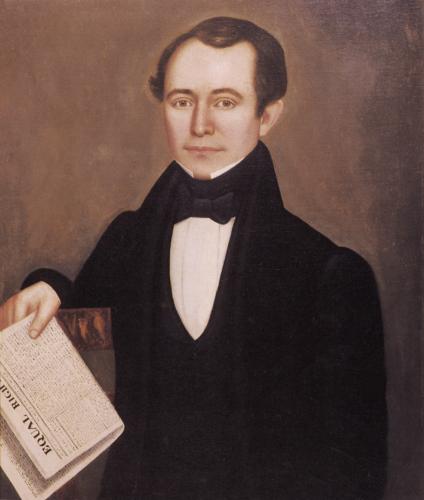
    william_leggett
    William Leggett. By: Erastus Salisbury Field.

    With the emergence of the Democrats and the Whigs as the two main political parties in the late 1830s and early 1840s, this fostered significant tension on the issue of slavery.

    (more…)

  • The Panic of 1839

    martinvanburen
    Martin Van Buren.

    Not long after the Panic of 1837 had set in and gripped America’s economy, a second shock came: the Panic of 1839.

    (more…)

  • The Panic of 1837

    1724403_orig
    A Political Cartoon About the Panic of 1837.

    In Martin Van Buren’s inaugural address, in March of 1837, he boasted of the prosperity and expansion of commerce that had occurred under his predecessor, Andrew Jackson. Just months later, the Panic of 1837 would begin. Daniel Walker Howe, What Hath God Wrought: Transformation of America, 1815-1848, 502.

    (more…)

  • The Early Federal Government Surplus

    henry-clay-orator
    Henry Clay Addressing the Senate.

    Toward the end of President Andrew Jackson’s second term, the federal government had come to enjoy a substantial surplus, primarily coming as a result of land sales and “proceeds from the Tariff 0f 1833.” Daniel Walker Howe, What Hath God Wrought: Transformation of America, 1815-1848, 499.

    (more…)