-
Constitution Sunday: “Publius,” The Federalist LI [James Madison]
Independent Journal (New York) February 6, 1788 “But what is government itself but the greatest of all reflections of human nature?” This rhetorical question, which James Madison posed, is one that governments throughout the world—throughout history—have answered by showing that even the best-intentioned government fails where it does not take human nature into account.
-
The Civil War: Jefferson Davis: Message to the Confederate Congress
April 29, 1861 With only a few weeks at the helm of the Confederate government, president Jefferson Davis and the Confederate Congress had cause for concern—but also cause for inspiration. The whole of the South (and the whole of the North) was animated: men and women were mobilizing; making their preparations to contribute to the…
-
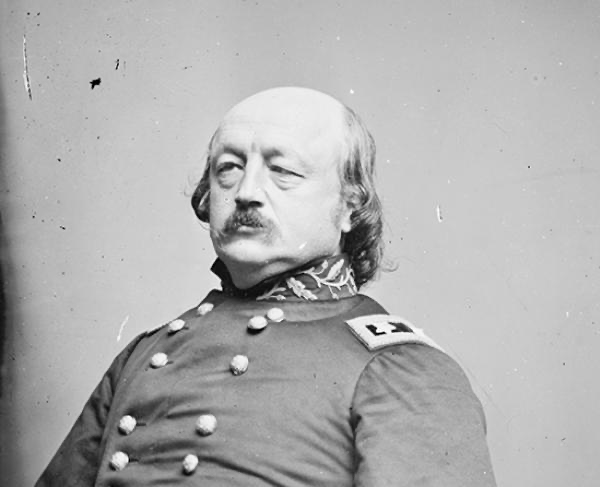
The Civil War: Benjamin F. Butler to Winfield Scott
One night in late May 1861, “three negroes”—who said they were field hands, slaves—delivered themselves to the picket line at Fort Monroe in Virginia. Fort Monroe, sat on the peninsula between the York River and James River, had at its helm Brigadier General Benjamin F. Butler. The fugitive slaves had come to the fort to…


-
The Civil War: William Howard Russell: from My Diary North and South
April 17, 1861 In the weeks and months leading up to the fall of Fort Sumter, the South had been brimming with excitement for the future. Charleston, South Carolina—with newly taken Fort Sumter in its harbor—was leading the South into that future both through its rhetoric and through its actions. Enthusiasm was abound for what…
-
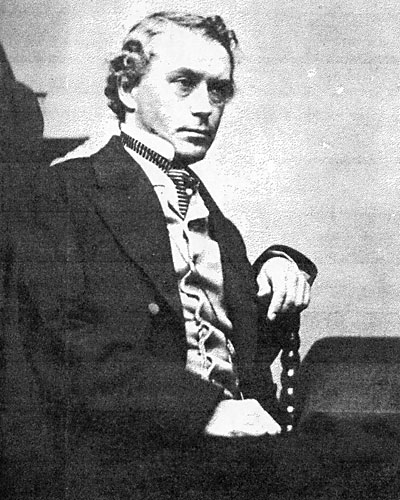
The Civil War: George Templeton Strong: Diary, April 13-16, 1861
Throughout the months leading up to the firing on Fort Sumter, there was widespread wonder about how the country would react to such a provocation; it was bound to be a cleave dividing the country and also its communities. Generations later—with the accordion of events neatly folded and the result of the war known—it would…
-
The Civil War: South Carolina Declaration of the Causes of Secession
December 24, 1860 On Christmas Eve, 1860, South Carolina announced that it would, indeed, be seceding from the Union and declared the many causes for taking this drastic step. On its face, this declaration would appear to articulate the reasons for secession and presumably would serve as part of the historical record—as an explanation of…
-
The Civil War: Memorandum Regarding Abraham Lincoln
December 22, 1860 Two days prior, South Carolina had decided to secede from the Union with a 169-0 vote. The day after that vote, the New York Times reported that President James Buchanan had ordered Major Robert Anderson to surrender Fort Moultrie in Charleston harbor, if attacked. The report was not entirely correct, however: Buchanan’s…
-

The Civil War: Henry Adams to Charles Francis Adams Jr.
December 18, 1860 Washington, D.C., as ever, was the site of negotiations that would change the direction of the country. A month after Abraham Lincoln’s victory in the election of 1860, the national dialogue was rife with talk of secession. However, there had not yet been any state that had made good on its threats…
-
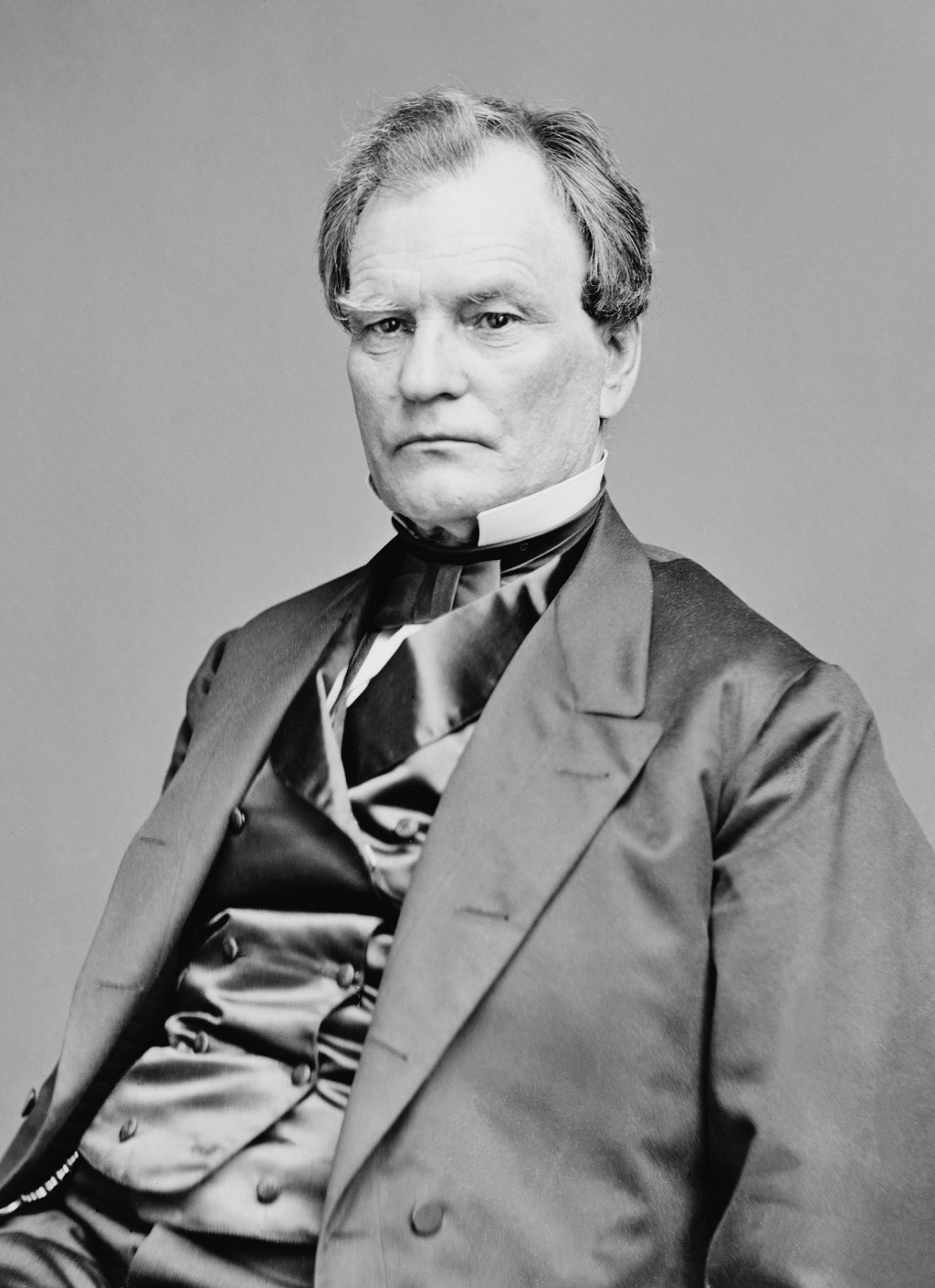
The Civil War: Benjamin F. Wade: Remarks in the U.S. Senate
December 17, 1860 Benjamin Wade, a Republican Senator from Ohio, rose to speak in the Senate. There were murmurs abound of averting the crisis—of stopping states from seceding from the Union. Some talked of forming a committee to explore the potential for a compromise between northern and southern states, even though no one knew what…
-
The Civil War: New-York Daily Tribune: The Right of Secession
December 17, 1860 Thurlow Weed, the editor of the Albany Evening Journal and one of the leaders of the Republican Party in New York, had criticized another newspaper editor, Horace Greeley of the New-York Daily Tribune. Weed’s criticism was on the issue of secession and Greeley’s apparent support for it.
-
The Civil War: Joseph E. Brown to Alfred H. Colquitt
December 7, 1860 A false dichotomy, or false dilemma, is a situation where a person is choosing from two options and believes that there are no other options available. The worst kind of false dichotomy occurs where there are not only other options but false information matriculating into the public discourse and creeping into the…
 Last Best Hope of Earth