Author: Last Best Hope of Earth

  • The Taking of Mexico City

    nebel_mexican_war_12_scott_in_mexico_city
    Winfield Scott Entering Mexico City. By: Carl Nebel.

    Winfield Scott was “one of the greatest soldiers the United States Army has ever produced,” fighting in the War of 1812, the Mexican-American War, and the Civil War. Daniel Walker Howe, What Hath God Wrought: Transformation of America, 1815-1848, 778.

    (more…)

  • The Whig Revolution

    the_county_election_bingham_1846
    The County Election. By: George Caleb Bingham.

    With the Mexican-American War well underway, the midterm elections in 1846-47 were bound to be consequential.

    (more…)

  • Constitution Sunday: “Publius,” The Federalist VIII [Alexander Hamilton]

    “Publius,” The Federalist VIII [Alexander Hamilton]

    New-York Packet, November 20, 1787

    Following are excerpts from The Federalist VIII, authored by Alexander Hamilton:

    “Assuming it therefore as an established truth that the several States, in case of disunion, or such combinations of them as might happen to be formed out of the wreck of the general confederacy, (more…)

  • The Wilmot Proviso

    david_wilmot
    David Wilmot.

    President James Polk, expecting a fast resolution to the Mexican-American War, “requested from Congress in August 1846 a $2 million appropriation for ‘defraying any extraordinary expenses which may be incurred in the intercourse between the United States and foreign nations.’” Daniel Walker Howe, What Hath God Wrought: Transformation of America, 1815-1848, 766 quoting James Polk, Diary, II, 76-77 (Aug. 10, 1846). Shortly after Congress followed this instruction and drafted a bill, David Wilmot of Pennsylvania introduced an amendment to specify that slavery would not be lawful in any territory acquired. See Daniel Walker Howe, What Hath God Wrought: Transformation of America, 1815-1848, 767.

    (more…)

  • A Conspiracy Emerges

    xpolk-pagespeed-ic-bzg1enalzt
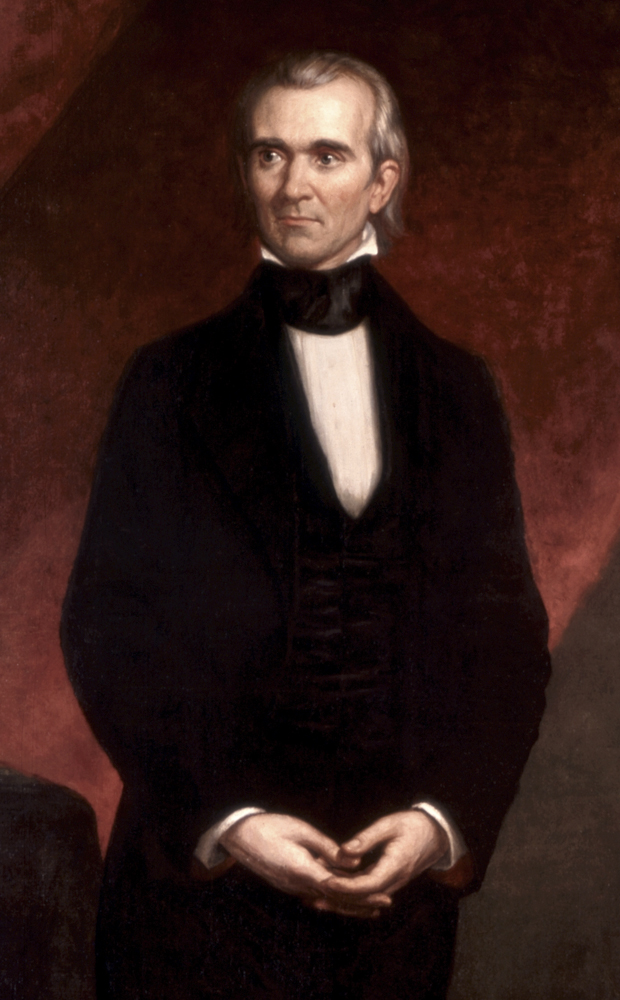
    James Polk.

    Amidst the Mexican-American War, a conspiracy emerged involving President James Polk and the exiled leader of Mexico, Santa Anna. Not only would this conspiracy embolden Whigs but Democrats would also come down on President Polk for his actions.

    (more…)

  • The Whigs’ Dissent

    Portrai
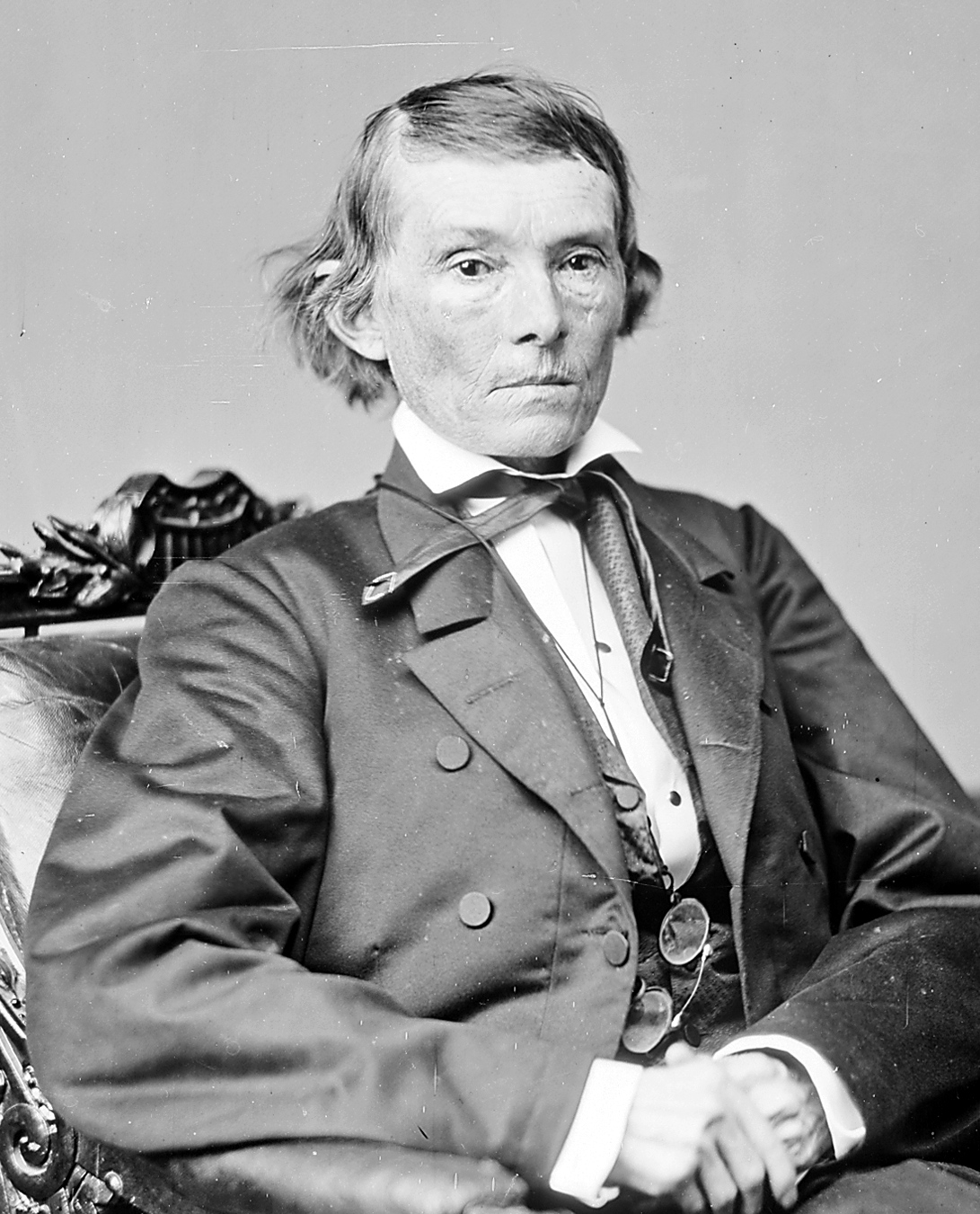
    Representative Alexander Stephens.

    Some Americans may suppose that during wartime, partisanship declines and a sense of unity prevails. During the Mexican-American War, this was not the case. The Whigs were vocal in their disagreement with President James Polk and the Democrats.

    (more…)

  • The Taking of New Mexico

    stephen_w-_kearny
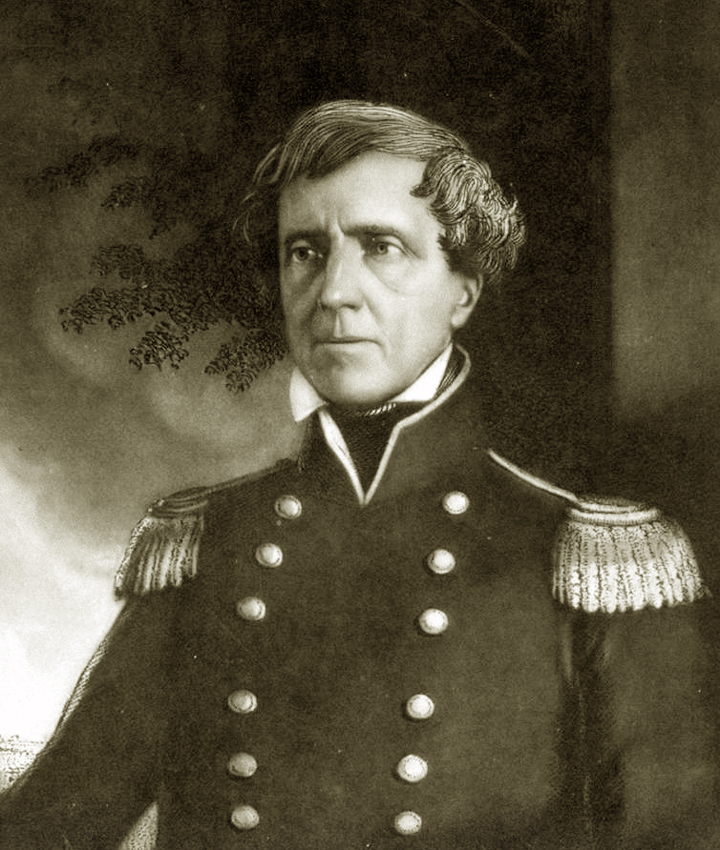
    Stephen Watts Kearny. Engraving By: Y.B. Welch.

    Upon America’s declaring war with Mexico in May 1846, President James Polk sent “the Army of the West” to New Mexico. See Daniel Walker Howe, What Hath God Wrought: Transformation of America, 1815-1848, 758. This army was sent for the sole purpose of conquest, and it was led by Brigadier General Stephen Watts Kearny. Id.

    (more…)

  • The Fight for California

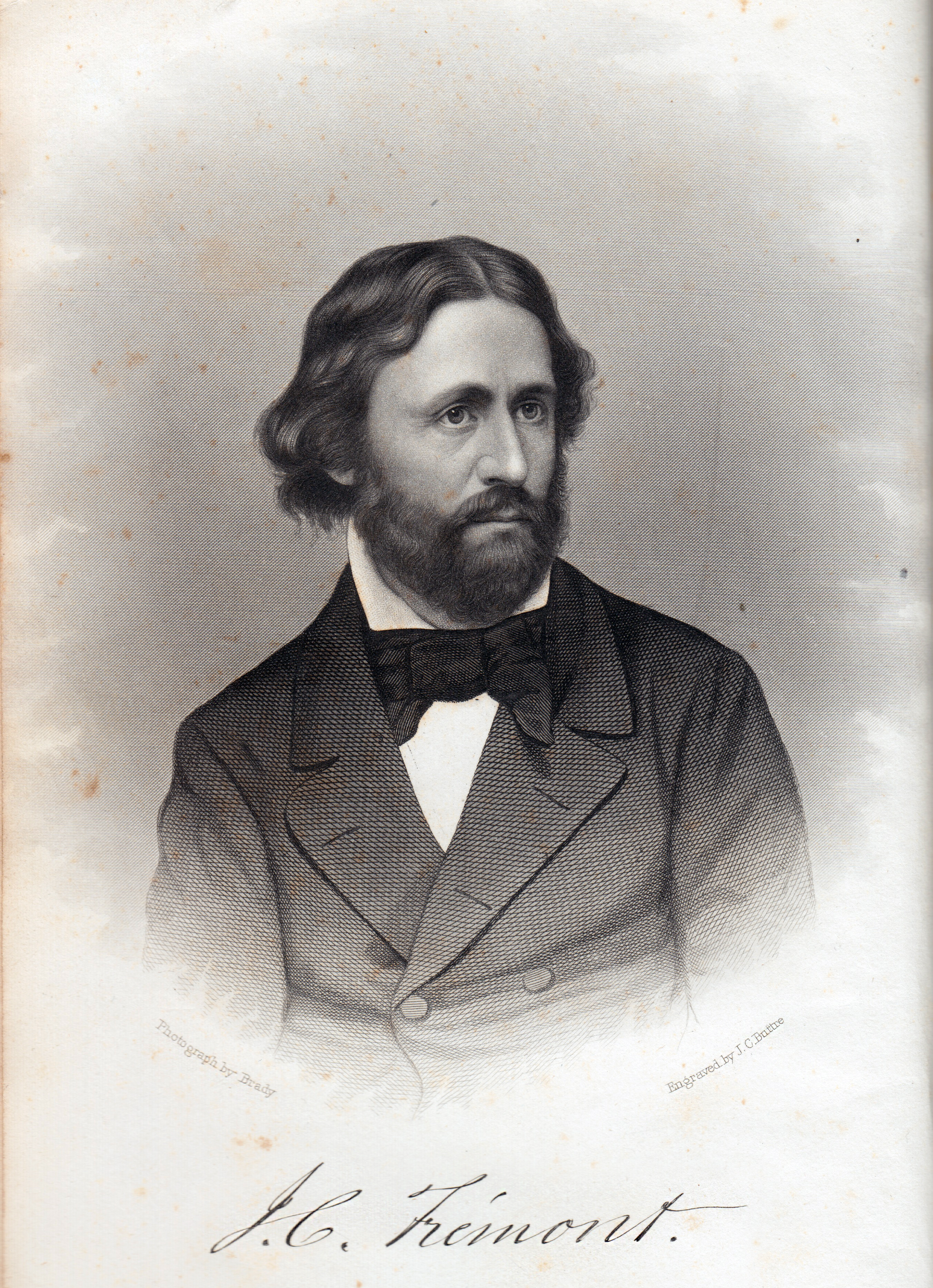
    john_c-_frc3a9mont_1856
    John Fremont. Photograph: Mathew Brady. Engraving: J.C. Bottre.

    President James Polk, prior to the beginning of the Mexican-American War, had an idea for how to gain new territory for America. He was not going to limit the acquisitions solely to what could be gained with Mexico through military conflict south of Texas. He had his eyes on California and New Mexico, and he had a plan for how to get those two territories.

    (more…)

  • The Deadliest War in American History

    winfield_scott_-_national_portrait_gallery
    Winfield Scott. By: Robert Walter Weir.

    President James Polk, at the outbreak of the Mexican-American War, was concerned about the ramifications of a significant, drawn-out conflict. He was aware that a Whig military hero could emerge, just as William Henry Harrison had. See Daniel Walker Howe, What Hath God Wrought: Transformation of America, 1815-1848, 750.

    (more…)

  • Constitution Sunday: “A Landholder” [Oliver Ellsworth] III

    “A Landholder” [Oliver Ellsworth] III

    Connecticut Courant (Hartford), November 19, 1787

    Following are excerpts from Oliver Ellsworth’s article in the Connecticut Courant:

    “A government capable of controling the whole, and bringing its force to a point is one of the prerequisites for national liberty. (more…)