Author: Last Best Hope of Earth

  • Jackson’s Farewell

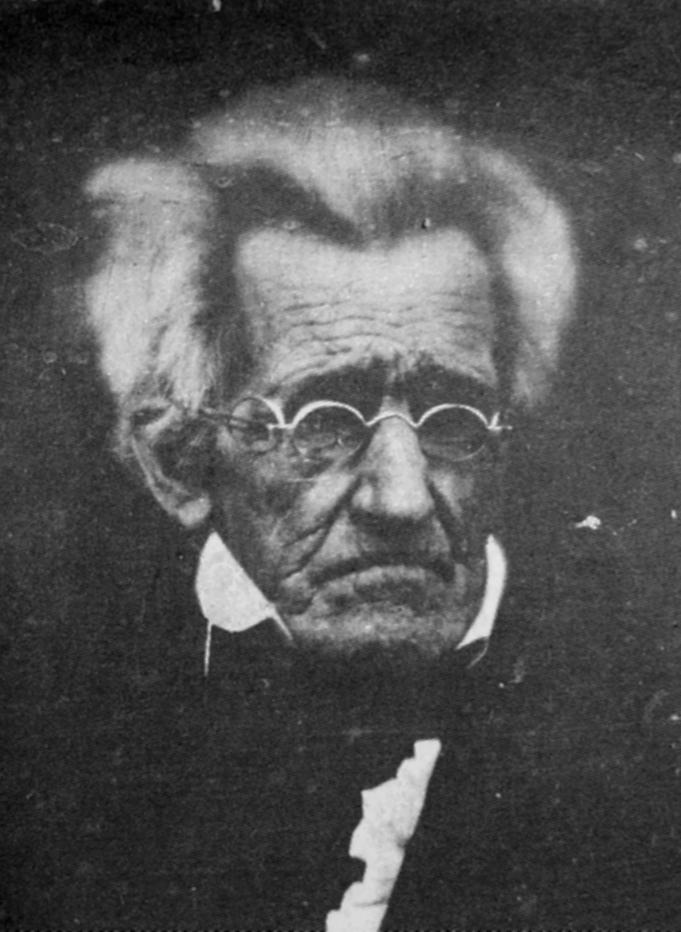
    78yo_andrew_jackson
    Andrew Jackson.

    President Andrew Jackson, with his term coming to an end, commissioned the Chief Justice of the Supreme Court, Roger Taney, to write his farewell address. This was his imitation of George Washington, who had started the tradition of the farewell address. See Daniel Walker Howe, What Hath God Wrought: Transformation of America, 1815-1848, 500.

    (more…)

  • Andrew Jackson’s Third Term

    1447087312447-cached
    Martin Van Buren.

    Martin Van Buren, President Andrew Jackson’s hand-picked heir, would carry out many of Jackson’s policies, such as the removal of the Native Americans westward, as he was elected in the election of 1836. President Jackson also fundamentally changed the nature of the presidency.

    (more…)

  • Constitution Sunday: Cato III

    Cato III

    New York Journal, October 25, 1787

    Following are excerpts from Cato III’s article in the New York Journal:

    “The governments of Europe have taken their limits and form from adventitious circumstances, and nothing can be argued on the motive (more…)

  • The Prioritization of Education

    edward_everett
    Edward Everett.

    Education was not always such a prominent issue in every state and every American community in the way that modern Americans experience. Horace Mann, who was secretary of the Massachusetts State Board of Education in 1837, ensured that all schools would have in common: “tuition-free, tax-supported, meeting statewide standards of curriculum, textbooks, and facilities, staffed with teachers who had been trained in state normal schools, modeled on the French école normale.” Daniel Walker Howe, What Hath God Wrought: Transformation of America, 1815-1848, 453.

    (more…)

  • The Supreme Court Under Jackson

    roger_b-_taney_-_brady-handy
    Roger B. Taney. Photograph by: Mathew Brady.

    John Marshall, perhaps the greatest Chief Justice of the Supreme Court of the United States, died on July 6, 1835. As his life was coming to a close, he wrote Joseph Story, “I yield slowly and reluctantly to the conviction that our constitution cannot last.” Daniel Walker Howe, What Hath God Wrought: Transformation of America, 1815-1848, 439 quoting John Marshall to Joseph Story, Sept. 22, 1832, quoted in Kent Newmyer, John Marshall and the Heroic Age of the Supreme Court (Baton Rouge, 2001), 386.

    (more…)

  • The Extermination of Native Americans

    max-d-stanley-trail-of-tears
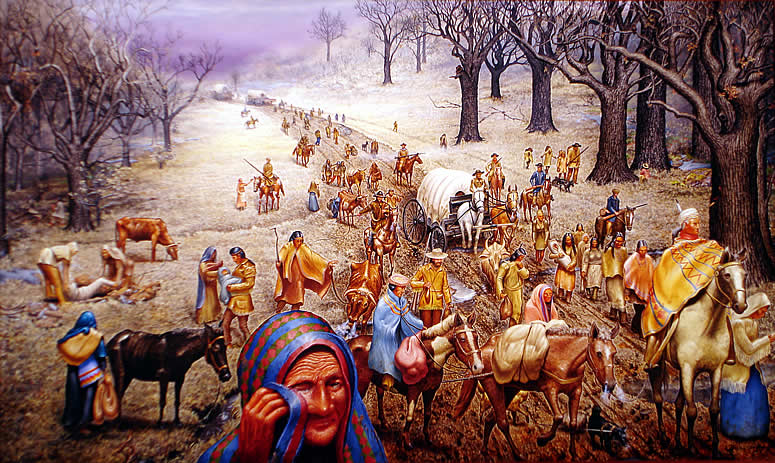
    Trail of Tears. By: Max D. Stanley.

    Under President Andrew Jackson, and his successor President Martin Van Buren, there was mass removal of Native Americans westward across America.

    (more…)

  • The Violence of the 1830s

    john_tyler_-_governor_of_virginia_c-_1826
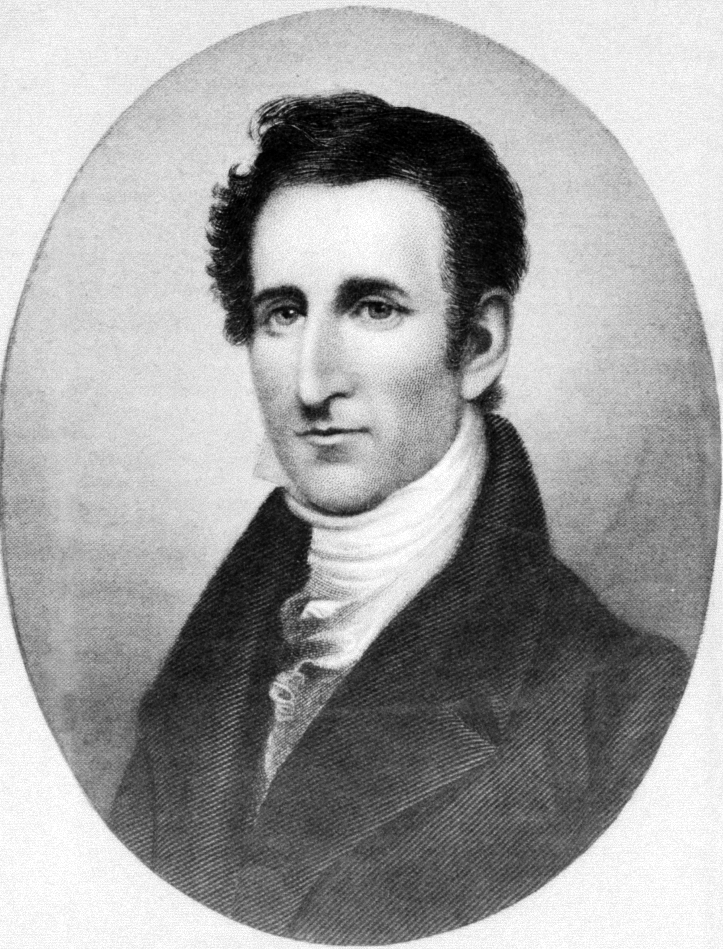
    Engraving of John Tyler.

    While America had A Tradition of Extra-Legislative Action, including mobs and demonstrations, in the 1830s, America took a turn toward violence.

    (more…)

  • Challenging White Supremacy

    david_walker_appeal
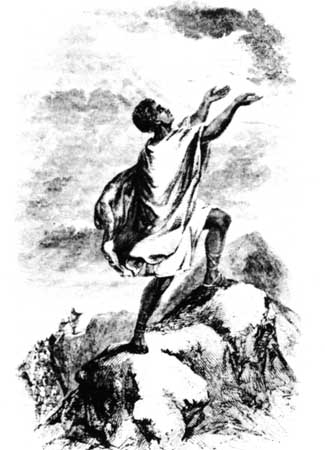
    Frontispiece of David Walker’s Appeal Pamphlet.

    In the midst of President Andrew Jackson’s presidency, white supremacy was becoming a prominent principle in American society, facilitating confrontation between whites and blacks but also between whites and Native Americans. Just months into Jackson’s first term, David Walker published a controversial and incendiary pamphlet: An Appeal to the Colored Citizens of the World, But in Particular, and Very Expressly, to Those of the United States of America. (more…)

  • The Responsiveness of the Courts

    baltimore
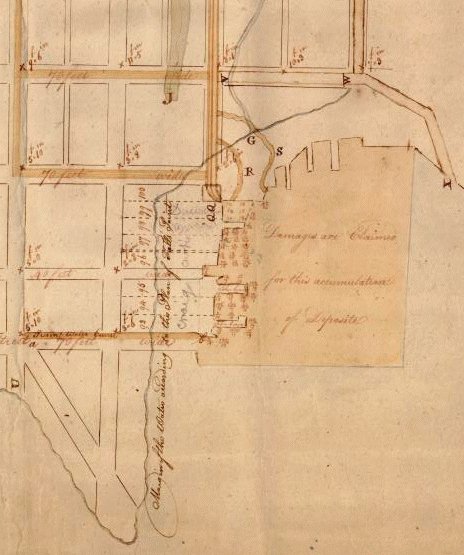
    Map of Baltimore, showing construction and location of Barron’s wharf.

    The Nullification Crisis had an impact on the jurisprudence of American law, changing the interaction of the federal government with the states.

    (more…)

  • Constitution Sunday: Jefferson Replies to Madison

    011914efc09968f8736c1d523526ff1a Read today’s Constitution Sunday in Russian.

    Thomas Jefferson Replies to Madison

    Paris, December 20, 1787

    Following are excerpts from Thomas Jefferson’s letter to James Madison:

    “I like the power given the Legislature to levy taxes, and for that reason solely approve of the greater house being chosen by the people (more…)