
The social structure of America was being turned upside down during the Revolution. As James Otis warned in 1776: “When the pot boils, the scum will rise.” John Eliot to Jeremy Belknap, Jan. 12, 1777, Belknap Papers, 104.
The social structure of America was being turned upside down during the Revolution. As James Otis warned in 1776: “When the pot boils, the scum will rise.” John Eliot to Jeremy Belknap, Jan. 12, 1777, Belknap Papers, 104.
“Centinel” [Samuel Bryan] I
Independent Gazetteer (Philadelphia), October 5, 1787
Following are a series of excerpts: (more…)

The culmination of beliefs and events that led to the drafting of the Constitution were varied but also generally in agreement about the necessity of having the Constitution.

By 1787, the strength and stability of the states was under scrutiny. Shays’ Rebellion had erupted, citizens had become more licentious, and state legislatures appeared to be running rampant, doing significant damage to the health of the country as a whole. See Gordon Wood, The Creation of the American Republic: 1776-1787, 465.
“An American Citizen” [Tench Coxe] I
Independent Gazetteer (Philadelphia), September 26, 1787
Following is an excerpt: (more…)

Prior to the American Revolution, the colonists had become familiar with the concept of charters. Charters, whether royal, corporate, or proprietary, operated “as the evidence of a compact between an English King and the American subjects.” Gordon Wood, The Creation of the American Republic: 1776-1787, 268; see also Leonard Krieger, The Politics of Discretion: Pufendorf and the Acceptance of Natural Law (Chicago, 1965), 121.

While an upper house of state legislatures was desirable to some, as explained in The Birth of the Senate, it also had its detractors. Those detractors argued that it was a mere redundancy, wholly irrelevant to the founding of a stable government. In taking that position, the detractors ignored many of the benefits of having a second house in the legislature.
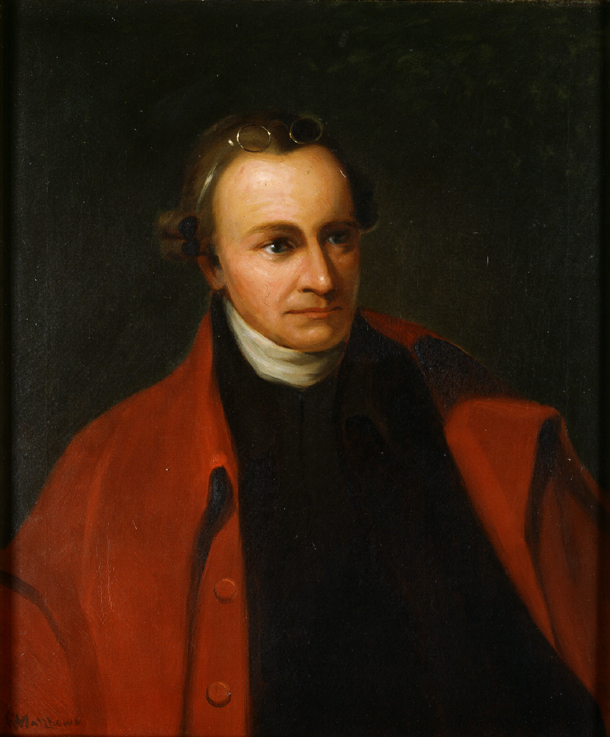
As eluded to in Virtue as a Principle and Foundation, vices had come to plague American society shortly after the American Revolution. Patrick Henry said, in 1780, that he “feared that our Body politic was dangerously sick,” as from top to bottom, society appeared to be embracing vice. Patrick Henry to Jefferson, Feb. 15, 1780, Boyd, ed., Jefferson Papers, III, 293.
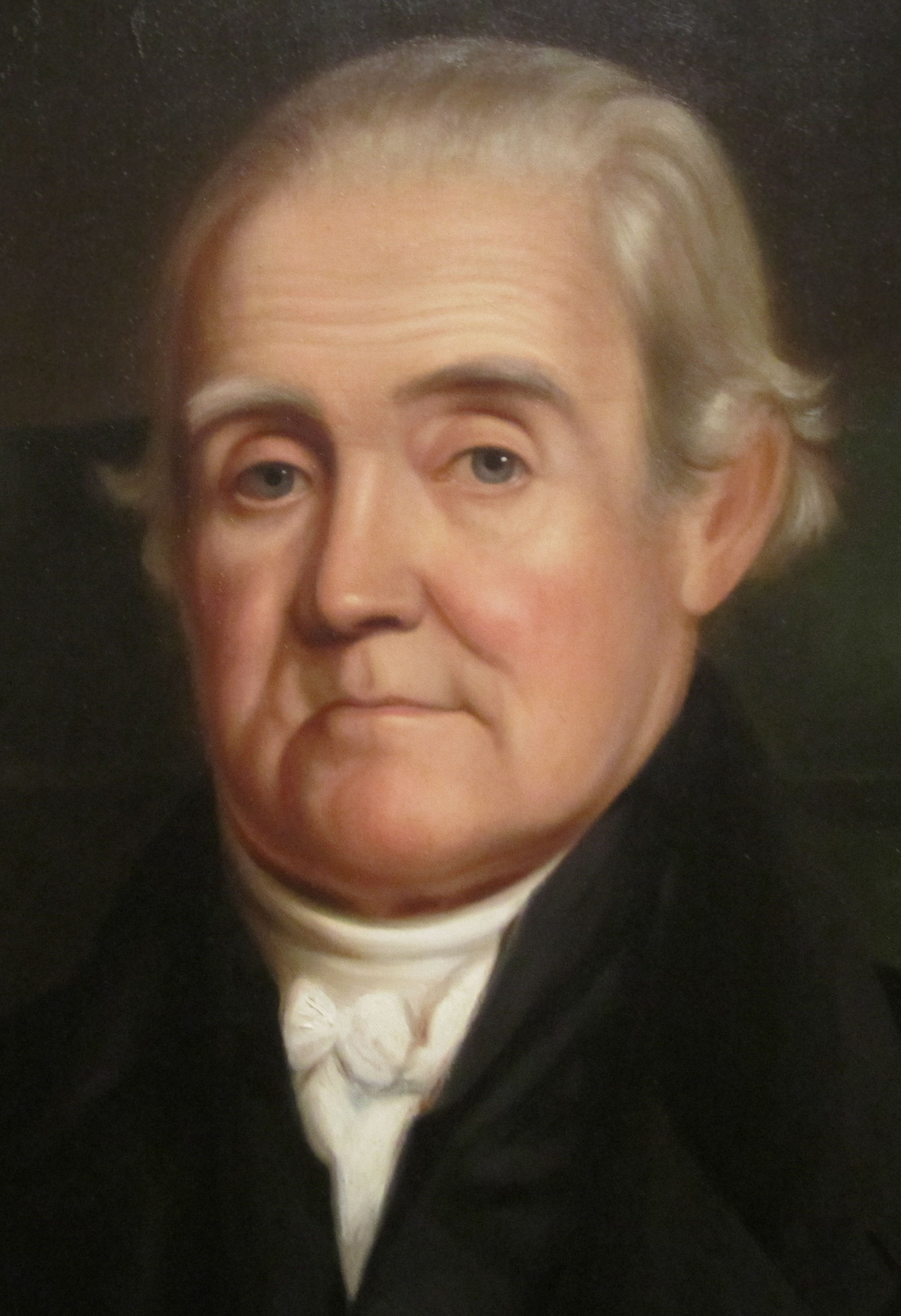
Prior to the creation and ratification of the Constitution, Americans struggled with legislatures who had run rampant. This, however, was the doing of the people themselves.

While there were perceptions that America was suffering from a malaise in the 1780s, the political theory at the time had an explanation: licentiousness.
 Last Best Hope of Earth