Tag: Frederick Douglass

  • The Civil War: Frederick Douglass: The Late Edition

    December 1860

    Politicians walk a tightrope when they choose their positions on political issues, especially when it’s a thorny issue. And when critics attempt to pigeonhole a politician as an extremist, those critics often achieve exactly the opposite: that politician then essentially has license to choose any position except an extreme one—defying the critics and potentially pleasing the constituency. Meanwhile, other politicians—less “extreme” ones—continue walking the tightrope, carefully planning their next steps. When Abraham Lincoln won the election of 1860, this dynamic took hold: the South made dark predictions about what the “extreme” Lincoln administration would seek to accomplish—opening up space for Lincoln to navigate and gifting him the opportunity to placate fellow northerners while searching for ways to steer the country away from the menace of prolonged civil war.

    (more…)
  • The Election of 1872

    The Election of 1872

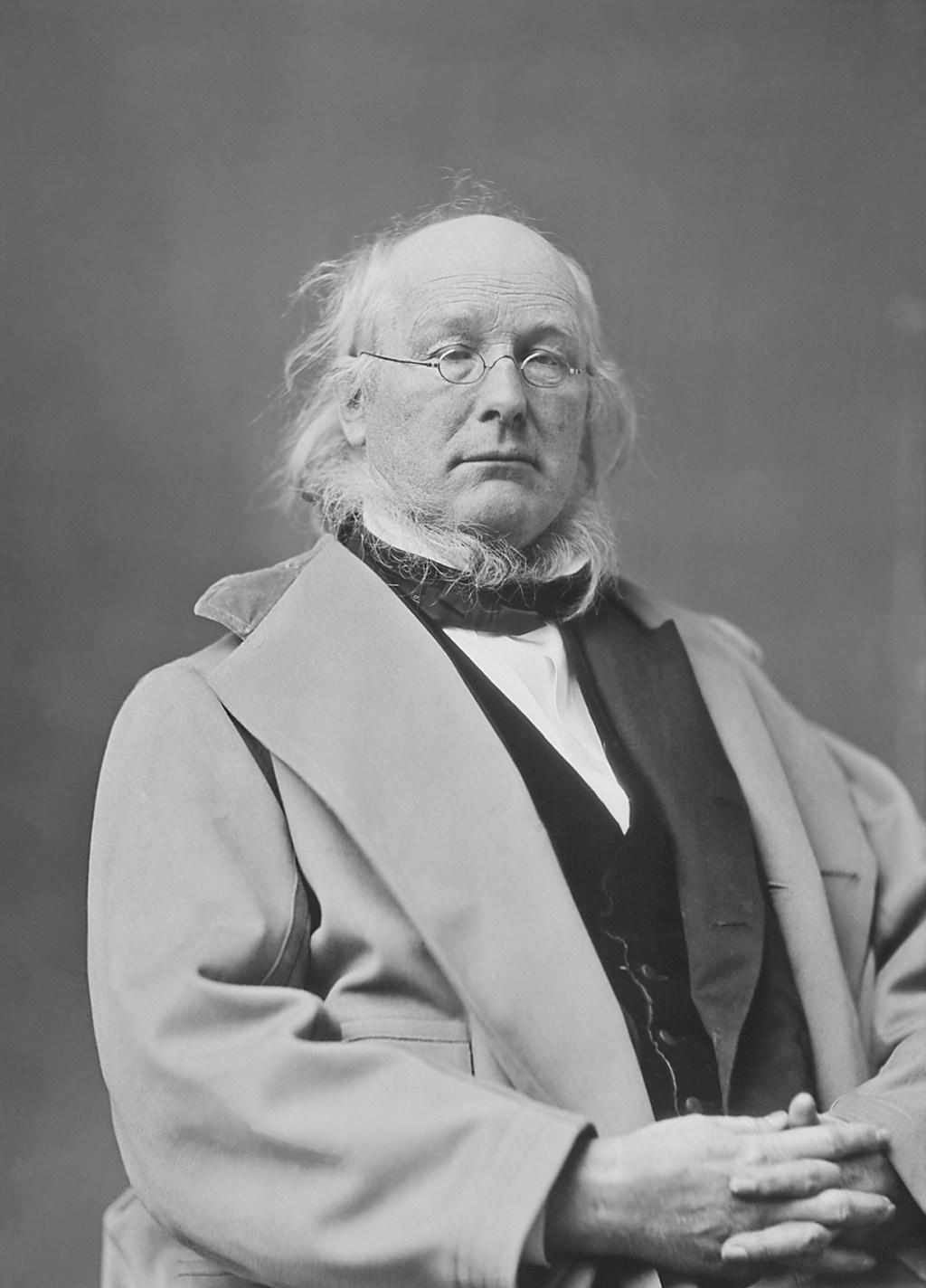
    From the time that Ulysses S. Grant became a household name in America—during the Civil War—and particularly following Lincoln’s assassination, there was no more popular American in the remainder of the Nineteenth Century. The presidential election of 1868 showed the level of support that Grant had: although it was his first election, he won the entirety of the Midwest and New England and even took six of the former Confederate states. He was always going to be a formidable opponent. As the election of 1872 approached, it became clear that Grant, a Republican, would not have to vie for re-election against a candidate with the stature of a fellow former general or even a well-established politician; instead, his challenger would be the founder and editor of a newspaper: Horace Greeley, a Democrat. Although Greeley had one term in the House of Representatives at the end of the 1840s, his following stemmed not from his brief time as a politician but rather the incisive pieces that he wrote and published in his newspaper, the New-York Tribune. As loyal as his readers were, there remained a question whether Greeley’s following could grow to unseat the man who still, seven years after the war, was viewed as bringing peace and prosperity to the country.

    (more…)
  • The Emancipation Proclamation

    The Emancipation Proclamation

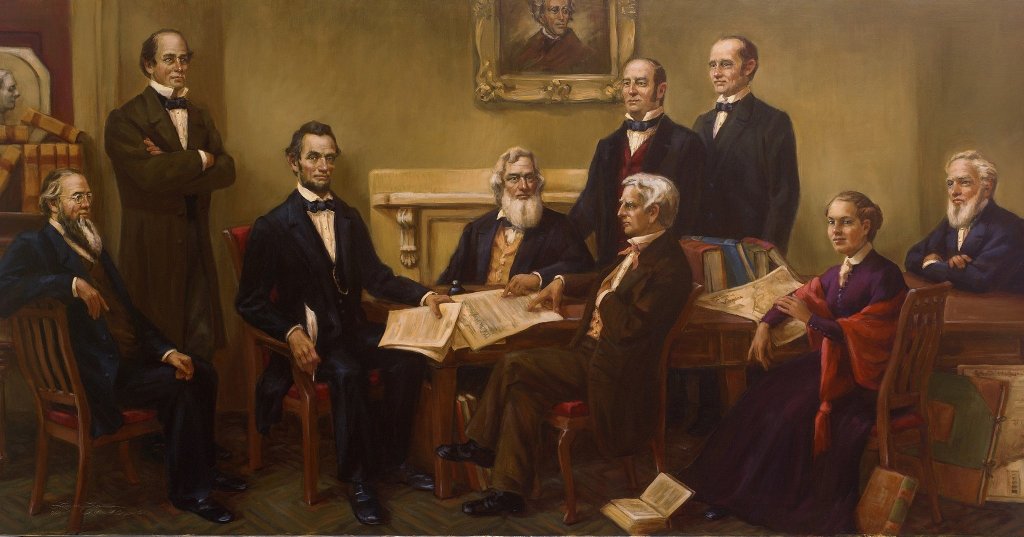
    American history is replete with instances of the public pressuring a president to take action on an issue. On far fewer occasions, presidents, through speaking to voters, calling for congressional action, or issuing executive orders, have risked political capital to lead the public to advance on a prominent issue. In the middle of 1862, President Abraham Lincoln convened his Cabinet to discuss taking action on an issue that had been consuming him for weeks but was likely to endanger his bid for reelection in 1864 and was certain to change the direction of the ongoing and increasingly bloody Civil War. (more…)

  • The Role of Slavery in Splitting America

    underground_railroad
    The Underground Railroad. By: Charles T. Webber.

    Since the outbreak of the Civil War and continuing to the present day, the role of slavery in splitting America has been hotly debated. One may wonder whether there was merely a correlation between slavery and the Civil War or whether slavery was the cause. Investigating the nuances of the issue of slavery reveals that the Civil War resulted from sectionalism and slavery, which were practically synonymous.

    (more…)

  • The Genesis of the Underground Railroad

    daguerreotype_of_joseph_story_1844_edit
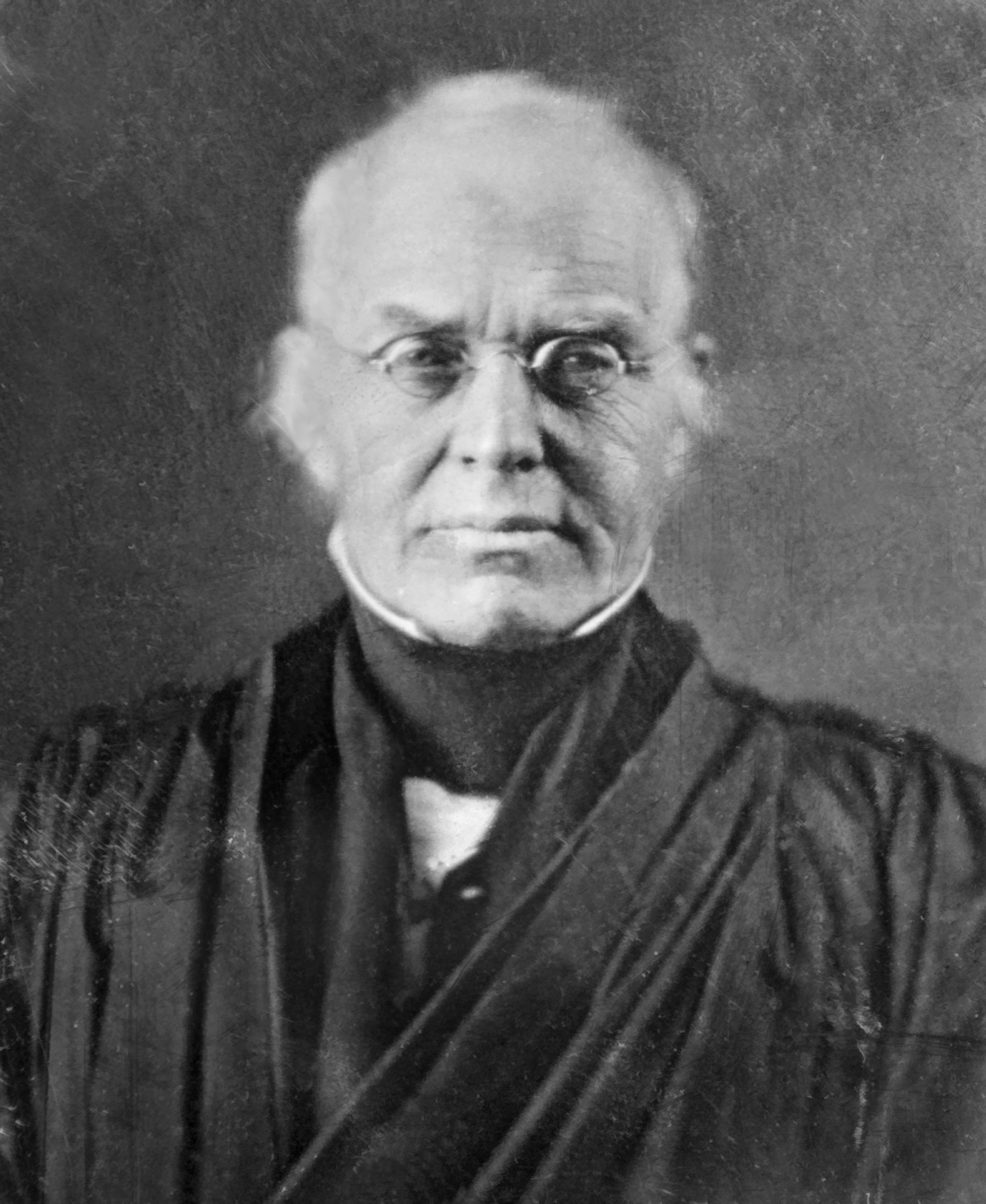
    Justice Joseph Story.

    Justice Joseph Story wrote a decision in Prigg v. Pennsylvania that would put the United States Supreme Court in a possession of relieving northern state officials of responsibility “for returning fugitive slaves, and increasingly northern state legislatures instructed them to do so.” Daniel Walker Howe, What Hath God Wrought: Transformation of America, 1815-1848, 654.

    (more…)