Tag: Horace Greeley

  • The Civil War: New-York Daily Tribune: The Right of Secession

    December 17, 1860

    Thurlow Weed, the editor of the Albany Evening Journal and one of the leaders of the Republican Party in New York, had criticized another newspaper editor, Horace Greeley of the New-York Daily Tribune. Weed’s criticism was on the issue of secession and Greeley’s apparent support for it.

    (more…)
  • The Civil War: New-York Daily Tribune: Going to Go

    The Civil War: New-York Daily Tribune: Going to Go

    November 9, 1860

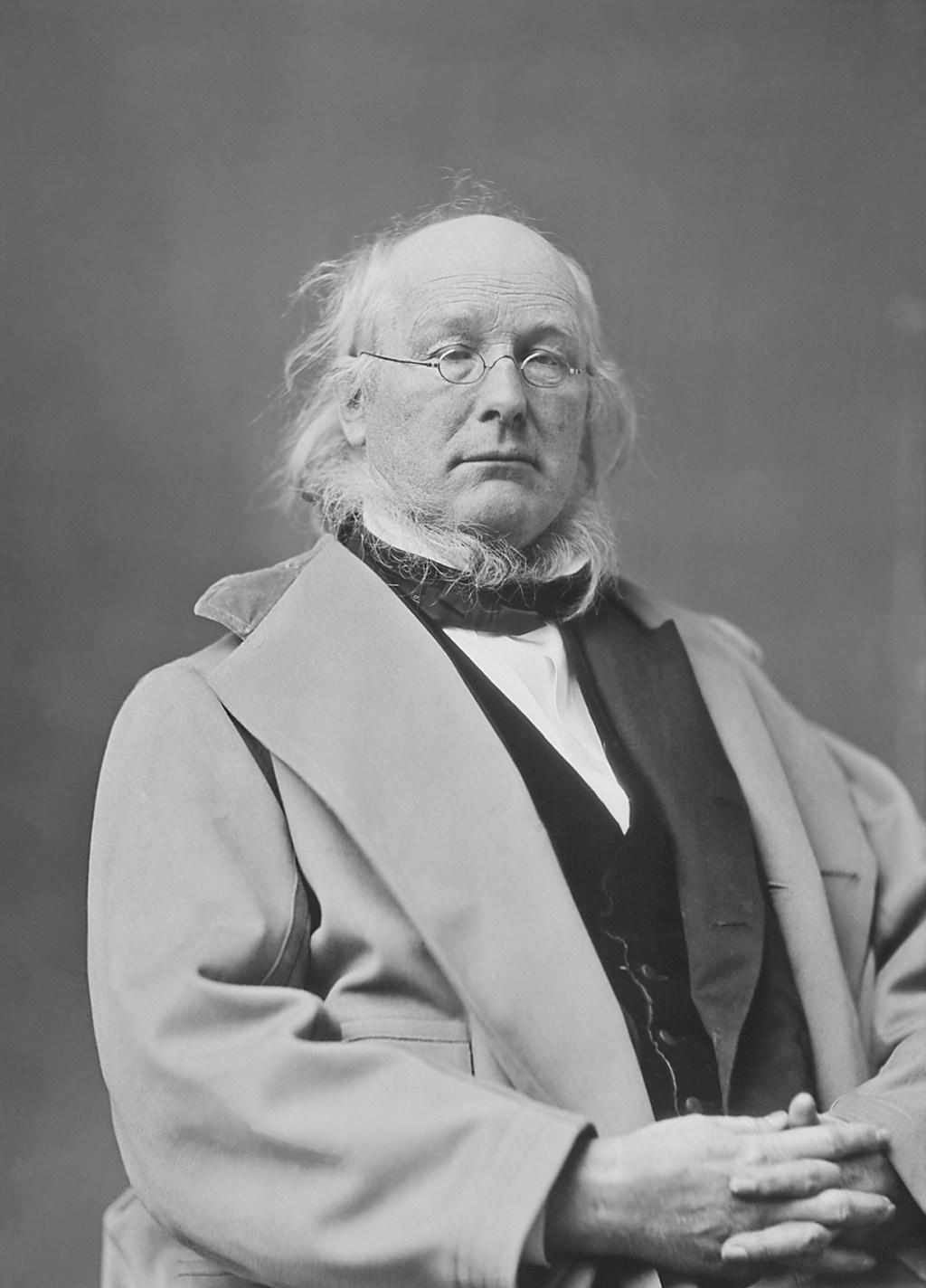
    One of the most famous newspapermen of his time, Horace Greeley, almost always had a sharp opinion, and with his newspaper, the New-York Daily Tribune, he had an audience. With the ubiquitous talk of secession during and after the election of 1860, Greeley had an opportunity to bring a more sober, well-reasoned approach to the issue.With that, perhaps he could resolve some of the tension that had developed between the North and South and assist in averting what seemed then to be an inevitable crisis.

    Horace Greeley (1811-1872) was a prominent American newspaper editor and publisher during the 19th century.

    Greeley was a strong opponent of slavery and was a vocal supporter of the Union cause during the Civil War.

    (more…)
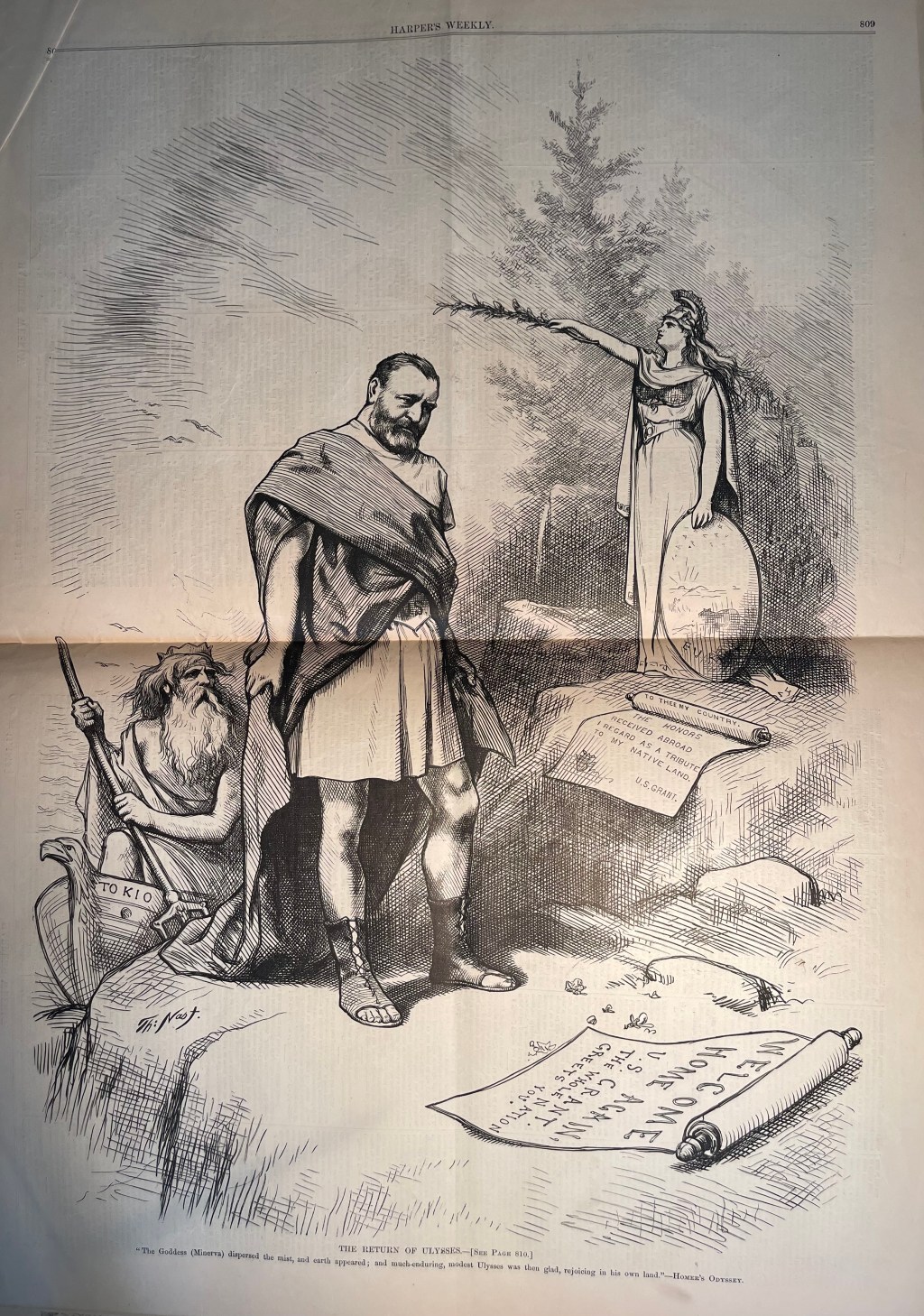
  • Ulysses S. Grant: An American Hero

    Ulysses S. Grant: An American Hero


    As time passes and collective morals change, the legacies of prominent figures in American history often evolve. The context in which these individuals earned their place in American memory becomes increasingly difficult to uncover.

    (more…)
  • The Legend of Winfield Scott Hancock

    The Legend of Winfield Scott Hancock

    War heroes earn respect through their service. The Civil War brought out more heroes than perhaps any other war in American history. They were men who served their country at its inflection point, and they could be assured that their time on the battlefield could translate to time in public office. General Winfield Scott Hancock was but one example. He was “a patriotic hero, a stainless gentleman, and an honest man.”[i] He became one of the greatest Generals in the war: one that the soldiers, officers, and citizens were glad to have. He got out from under a famous name and created his own legacy, becoming a regular name in the wartime newspapers. But there was still a question of whether his post-war career would be as glamorous as his time during the war. Although he had a reputation for “honest heroism and personal character,” he was a Democrat; and at a time when Democrats simply could not expect to win the Presidency.[ii]

    (more…)
  • The Election of 1872

    The Election of 1872

    From the time that Ulysses S. Grant became a household name in America—during the Civil War—and particularly following Lincoln’s assassination, there was no more popular American in the remainder of the Nineteenth Century. The presidential election of 1868 showed the level of support that Grant had: although it was his first election, he won the entirety of the Midwest and New England and even took six of the former Confederate states. He was always going to be a formidable opponent. As the election of 1872 approached, it became clear that Grant, a Republican, would not have to vie for re-election against a candidate with the stature of a fellow former general or even a well-established politician; instead, his challenger would be the founder and editor of a newspaper: Horace Greeley, a Democrat. Although Greeley had one term in the House of Representatives at the end of the 1840s, his following stemmed not from his brief time as a politician but rather the incisive pieces that he wrote and published in his newspaper, the New-York Tribune. As loyal as his readers were, there remained a question whether Greeley’s following could grow to unseat the man who still, seven years after the war, was viewed as bringing peace and prosperity to the country.

    (more…)
  • The Emancipation Proclamation

    The Emancipation Proclamation

    American history is replete with instances of the public pressuring a president to take action on an issue. On far fewer occasions, presidents, through speaking to voters, calling for congressional action, or issuing executive orders, have risked political capital to lead the public to advance on a prominent issue. In the middle of 1862, President Abraham Lincoln convened his Cabinet to discuss taking action on an issue that had been consuming him for weeks but was likely to endanger his bid for reelection in 1864 and was certain to change the direction of the ongoing and increasingly bloody Civil War. (more…)

  • Preparing for Invasion

    Preparing for Invasion

    july22firstreadingcolor
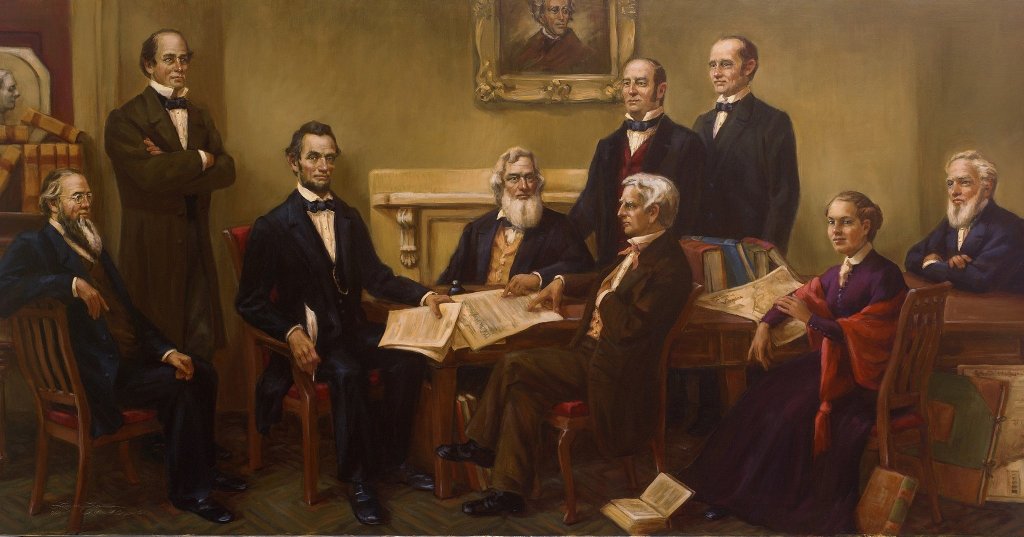
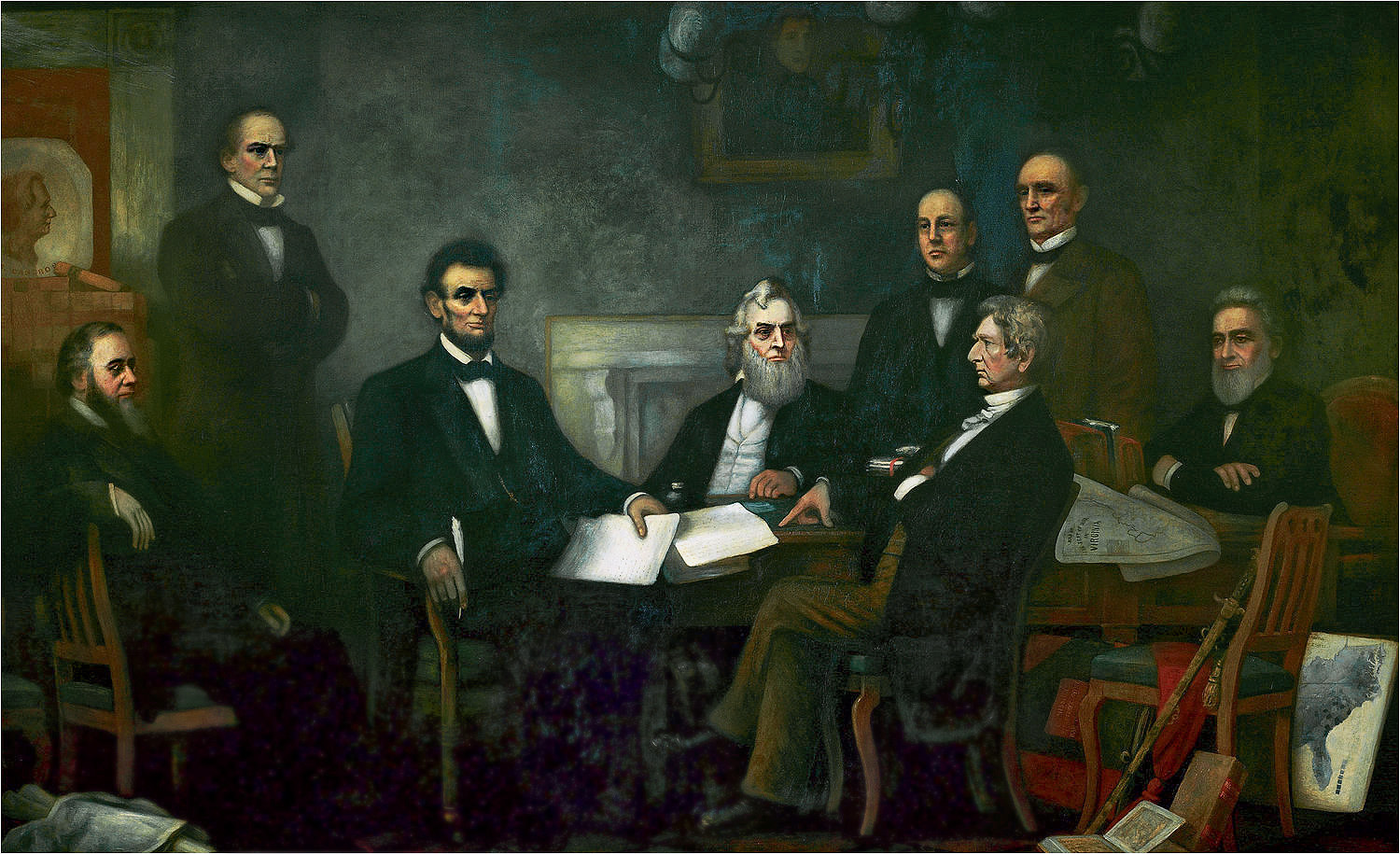
    Abraham Lincoln Meeting with His Cabinet in 1862. By: Francis Bicknell Carpenter.

    From the Union perspective, the dawn of 1862 presented as good an opportunity as ever for an attack on Richmond. If successful, it could force the Confederacy into surrendering and negotiating its reconciliation with the federal government with the only question being the extent of the retribution for secession. However, to be a successful strike on the Confederate capital, Abraham Lincoln must have known that military leadership as well as his administration heads would need to flawlessly execute a plan. This was particularly true given the Confederacy’s posture in the war: one that was entirely comfortable maintaining the status quo of defending its territory from the aggressor. (more…)

  • The Election of 1860

    1860photo_uscapitol_washingtoncanalvisiblie
    The United States Capitol in 1860. Courtesy: Library of Congress

    Every presidential election is consequential, but the Election of 1860 would play a significant role in whether the United States would remain one nation. The division of the North and South on the issue of slavery threatened to cause a secession of the South. The result of the election would determine whether that threat would materialize and cause a Second American Revolution. (more…)

  • Bleeding Kansas

    6615782369_473115a671_o
    Tallgrass Prairie, Kansas.

    After the passage of the Kansas-Nebraska Act, William Seward proclaimed to the Senate that “[w]e will engage in competition for the virgin soil of Kansas, and God give the victory to the side which is stronger in numbers as it is in right.” Congressional Globe, 33 Cong., 1 sess., appendix, 769. Rather than settling the issue of slavery in Kansas, the Act made Kansas the figurative and literal battleground for the issue of slavery.

    (more…)