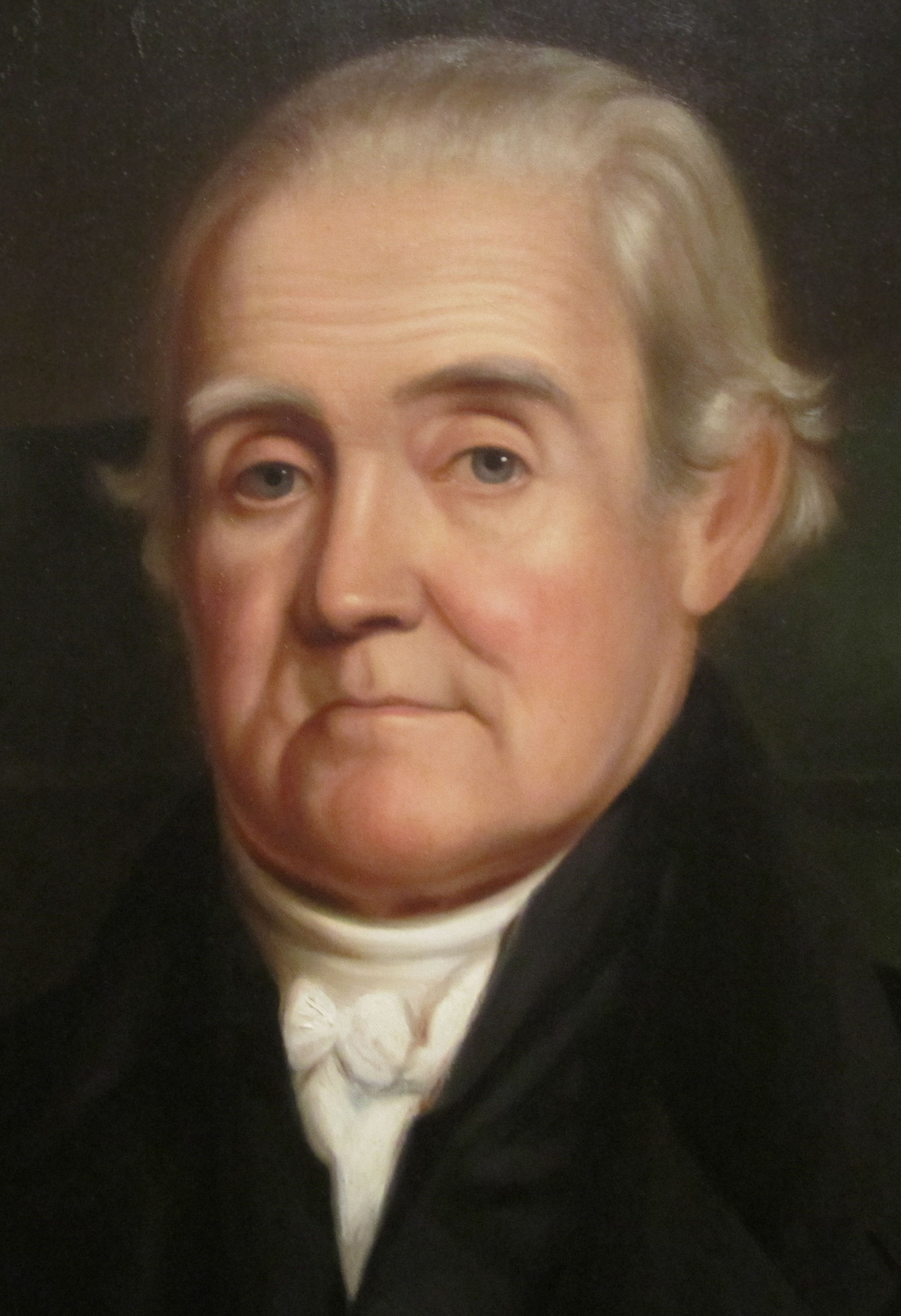
Prior to the creation and ratification of the Constitution, Americans struggled with legislatures who had run rampant. This, however, was the doing of the people themselves.
Prior to the creation and ratification of the Constitution, Americans struggled with legislatures who had run rampant. This, however, was the doing of the people themselves.
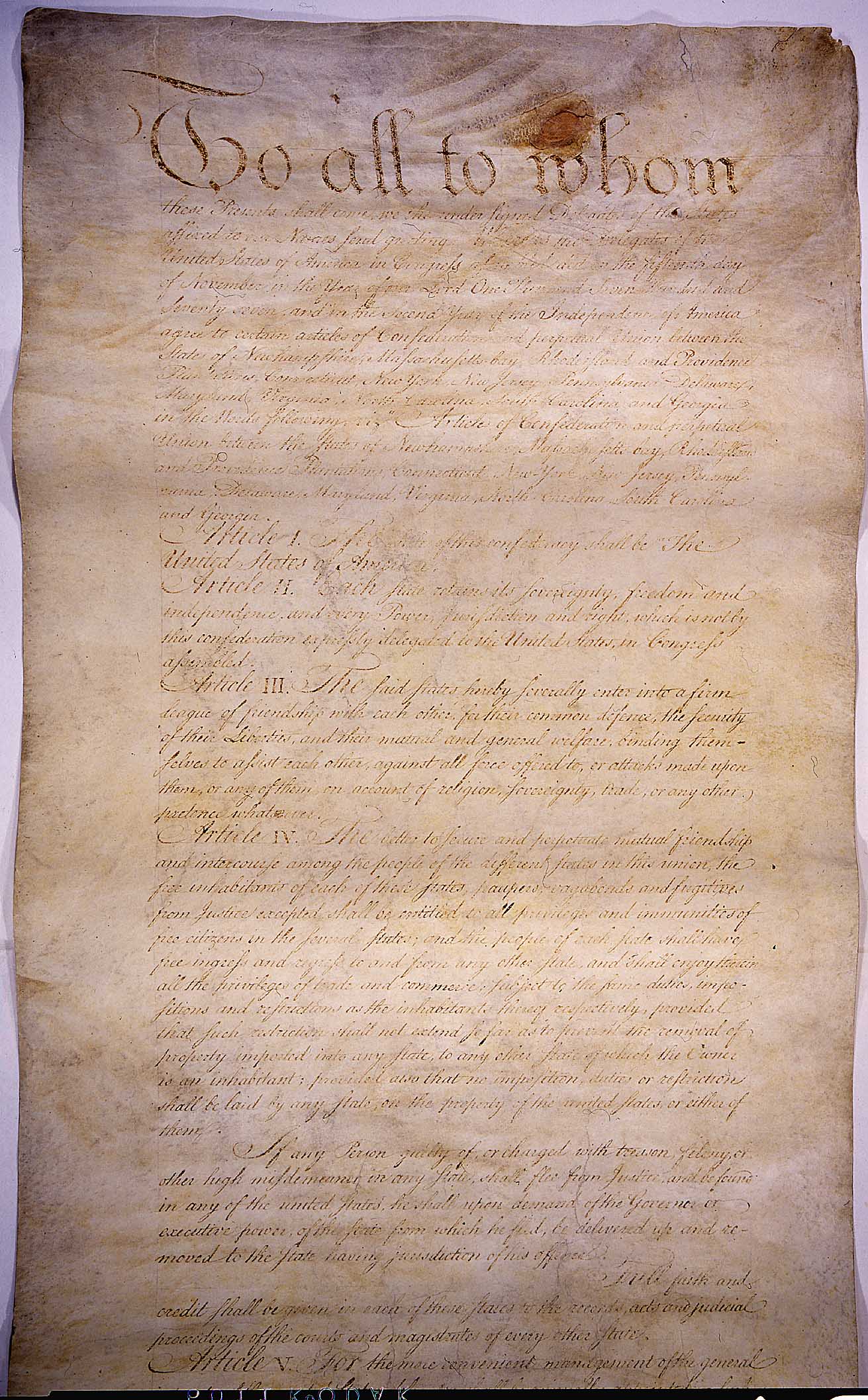
Despite the fact that the Articles of Confederation loosely held the states together, there was still a remarkable union achieved. There were privileges and immunities granted, “reciprocity of extradition and judicial proceedings among the states,” no “travel and discriminatory trade restrictions between states, and the substantial grant of powers to the Congress in Article 9 made the league of states as cohesive and strong as any similar sort of republican confederation in history—stronger in fact than some Americans had expected.” Gordon Wood, The Creation of the American Republic: 1776-1787, 359. (more…)

Americans had a keen understanding of the idea, popularized by Montesquieu, that “only a small homogeneous society whose interests were essentially similar could properly sustain a republican government.” Gordon Wood, The Creation of the American Republic: 1776-1787, 356. This idea created a fundamental problem for America: it was not a small homogeneous society, and it was rapidly expanding.

In the early 1770s, the colonists and Britain began to debate “the greatest Question ever yet agitated.” John Adams, entry, Mar. 4, 1773, Butterfield, ed., Diary of Adams, II, 77. That question was focused on sovereignty and John Adams expressed the view that it was necessary and “should some where be lodged a supreme power over the whole.” Id.
 Last Best Hope of Earth