-
Constitution Sunday: “Publius,” The Federalist LI [James Madison]
Independent Journal (New York) February 6, 1788 “But what is government itself but the greatest of all reflections of human nature?” This rhetorical question, which James Madison posed, is one that governments throughout the world—throughout history—have answered by showing that even the best-intentioned government fails where it does not take human nature into account.
-
The Civil War: Jefferson Davis: Message to the Confederate Congress
April 29, 1861 With only a few weeks at the helm of the Confederate government, president Jefferson Davis and the Confederate Congress had cause for concern—but also cause for inspiration. The whole of the South (and the whole of the North) was animated: men and women were mobilizing; making their preparations to contribute to the…
-
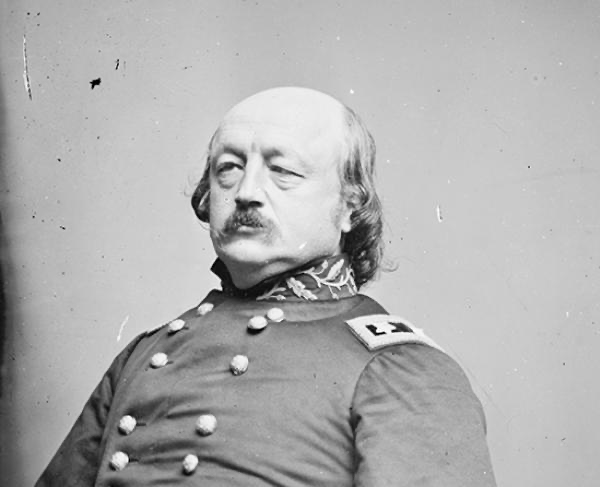
The Civil War: Benjamin F. Butler to Winfield Scott
One night in late May 1861, “three negroes”—who said they were field hands, slaves—delivered themselves to the picket line at Fort Monroe in Virginia. Fort Monroe, sat on the peninsula between the York River and James River, had at its helm Brigadier General Benjamin F. Butler. The fugitive slaves had come to the fort to…


-
The Civil War: William Howard Russell: from My Diary North and South
April 17, 1861 In the weeks and months leading up to the fall of Fort Sumter, the South had been brimming with excitement for the future. Charleston, South Carolina—with newly taken Fort Sumter in its harbor—was leading the South into that future both through its rhetoric and through its actions. Enthusiasm was abound for what…
-
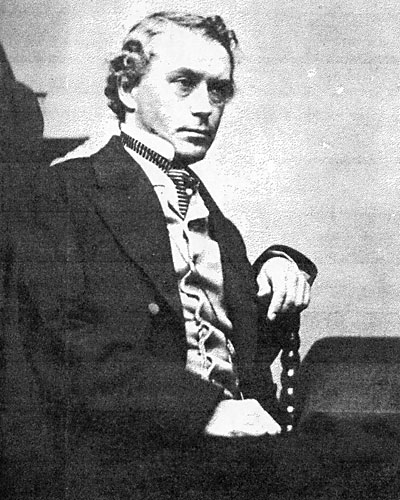
The Civil War: George Templeton Strong: Diary, April 13-16, 1861
Throughout the months leading up to the firing on Fort Sumter, there was widespread wonder about how the country would react to such a provocation; it was bound to be a cleave dividing the country and also its communities. Generations later—with the accordion of events neatly folded and the result of the war known—it would…
-

A Fee-Based Government
Rutherford B. Hayes, from the moment that he “won” the Election of 1876, had many opponents. And, because he believed that having opponents meant you must be doing something right, he relished the fight with his opposition. One issue that Hayes prioritized was reforming the fee-based governance system, the system that empowered government officials to…
-

Constitution Sunday: James Wilson Replies to William Findley
Pennsylvania Ratifying Convention. December 1, 1787 James Wilson, one of the most eloquent and artful of his time, spoke at Pennsylvania’s Ratifying Convention on December 1, 1787 about the merits of the draft Constitution. One of the crucial components of the draft was its creation of the legislature as a “restrained” legislature; a legislature that…
-
Constitution Sunday: Robert Whitehill at the Pennsylvania Convention
Pennsylvania Ratifying Convention. November 30, 1787. At the Pennsylvania Convention, Robert Whitehill rose to speak about the proposed Constitution including—and perhaps especially—its biggest flaw. To Whitehill, despite the fact that the country’s learned people devised the Constitution, “the defect is in the system itself,—there lies the evil which. no argument can palliate, no sophistry can…
-
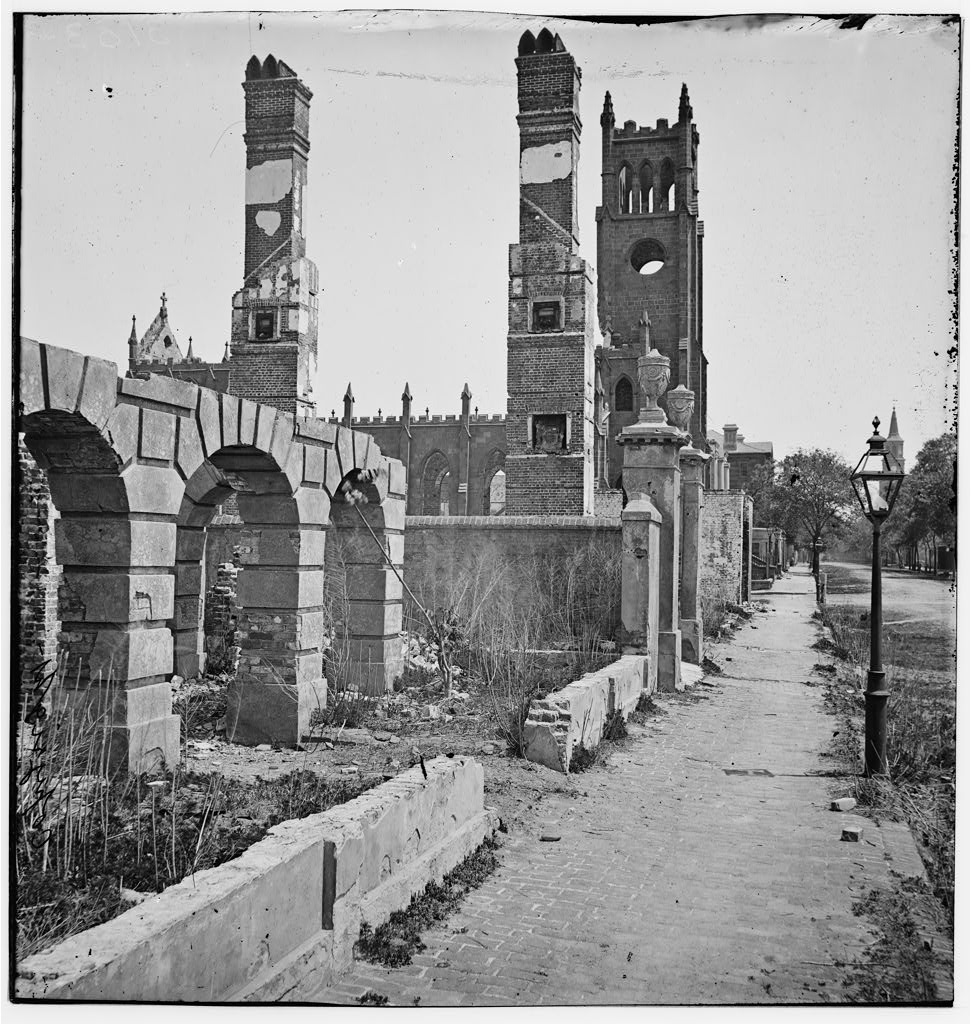
Reconstruction
The years after the Civil War, until 1877, were replete with novel uncertainties. The country had changed: the qualities that defined antebellum America had vanished; those who had been the most vocal before the war—soon-to-be Confederates—had seen their soapbox taken by the “Radical Republicans,” Republicans who sought to not only end slavery but to bring…
-

Constitution Sunday: James Wilson’s Opening Address
Pennsylvania Ratifying Convention. November 20 through December 15, 1787. James Wilson’s Opening Address. November 24, 1787 At the convention in Pennsylvania called for ratifying the draft Constitution, one of the foremost students of history and articulate Americans of his time, James Wilson, delivered the opening address. Just as every great storyteller knows to do, he…
-
Constitution Sunday: “Publius,” The Federalist XXXVII [James Madison]
“Publius,” The Federalist XXXVII [James Madison] Daily Advertiser (New York), January 11, 1788 In the course of human history, there have been innumerable types of governments—all of which serve as examples for those seeking to devise their own system of government. When the Constitutional Convention gathered, there was consensus that the Articles of Confederation would…

