-
Constitution Sunday: “Publius,” The Federalist LI [James Madison]
Independent Journal (New York) February 6, 1788 “But what is government itself but the greatest of all reflections of human nature?” This rhetorical question, which James Madison posed, is one that governments throughout the world—throughout history—have answered by showing that even the best-intentioned government fails where it does not take human nature into account.
-
The Civil War: Jefferson Davis: Message to the Confederate Congress
April 29, 1861 With only a few weeks at the helm of the Confederate government, president Jefferson Davis and the Confederate Congress had cause for concern—but also cause for inspiration. The whole of the South (and the whole of the North) was animated: men and women were mobilizing; making their preparations to contribute to the…
-
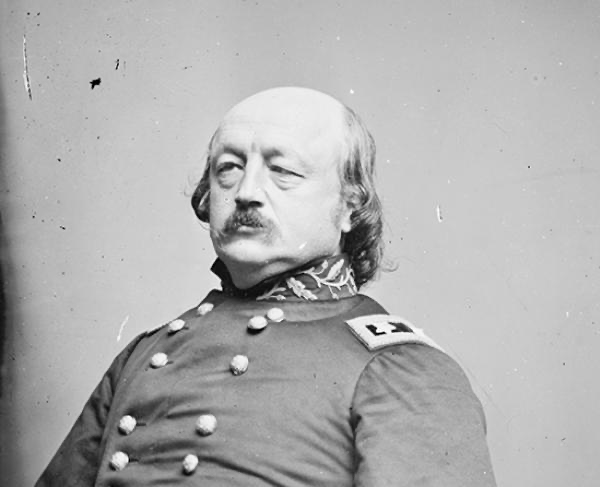
The Civil War: Benjamin F. Butler to Winfield Scott
One night in late May 1861, “three negroes”—who said they were field hands, slaves—delivered themselves to the picket line at Fort Monroe in Virginia. Fort Monroe, sat on the peninsula between the York River and James River, had at its helm Brigadier General Benjamin F. Butler. The fugitive slaves had come to the fort to…


-
The Civil War: William Howard Russell: from My Diary North and South
April 17, 1861 In the weeks and months leading up to the fall of Fort Sumter, the South had been brimming with excitement for the future. Charleston, South Carolina—with newly taken Fort Sumter in its harbor—was leading the South into that future both through its rhetoric and through its actions. Enthusiasm was abound for what…
-
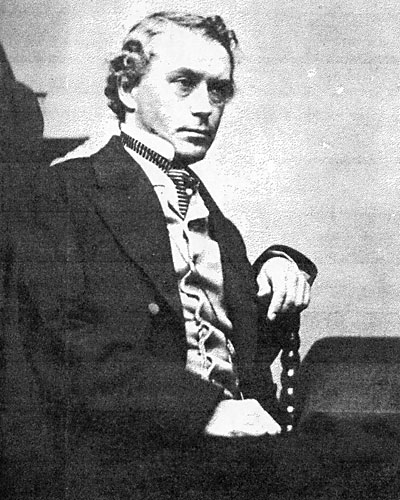
The Civil War: George Templeton Strong: Diary, April 13-16, 1861
Throughout the months leading up to the firing on Fort Sumter, there was widespread wonder about how the country would react to such a provocation; it was bound to be a cleave dividing the country and also its communities. Generations later—with the accordion of events neatly folded and the result of the war known—it would…
-

The Election of 1876
In celebrating America’s first centennial, on July 4, 1876, one must have recalled the tumult of that century: a war to secure independence, a second war to defend newly-obtained independence, and then a civil war the consequences of which the country was still grappling with eleven years after its end. But there also had been…
-
Constitution Sunday: “Mark Antony”
“Mark Antony” Independent Chronicle (Boston), January 10, 1788 The original sin in America’s Constitution was how it addressed—or failed to address—the issue of slavery. There was always going to be a question of how the country would transition away from slavery as the rest of the Western world was beginning to do by restricting importation…
-
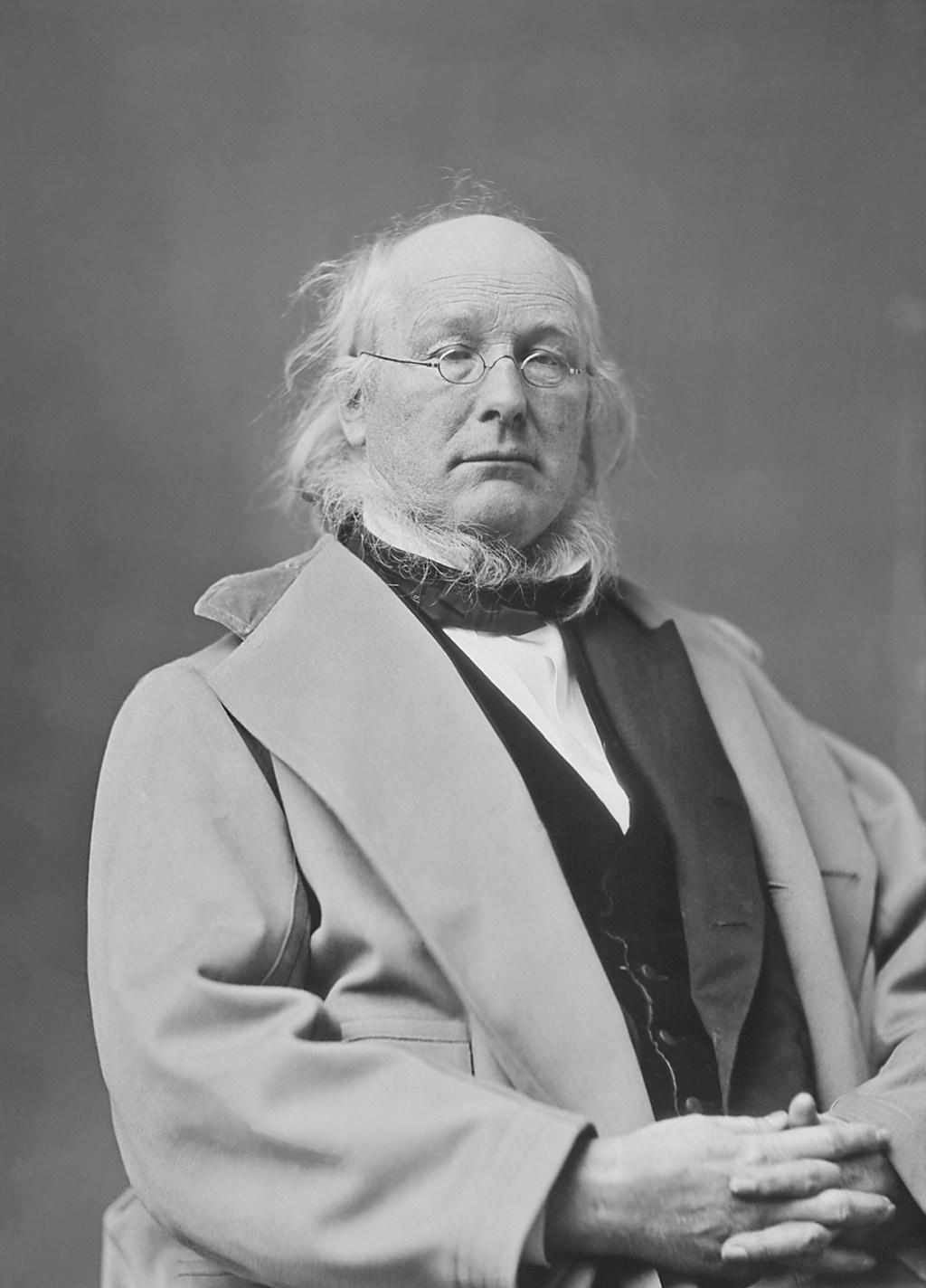
The Election of 1872
From the time that Ulysses S. Grant became a household name in America—during the Civil War—and particularly following Lincoln’s assassination, there was no more popular American in the remainder of the Nineteenth Century. The presidential election of 1868 showed the level of support that Grant had: although it was his first election, he won the…
-
Constitution Sunday: “Brutus” VIII
“Brutus” VIII New York Journal, January 10, 1788 In the draft of the Constitution was a clause that permitted the federal government to “borrow money on the credit of the United States, and to raise and support armies.” The author of an article in the New York Journal, using the pseudonym Brutus (undoubtedly referring to…
-
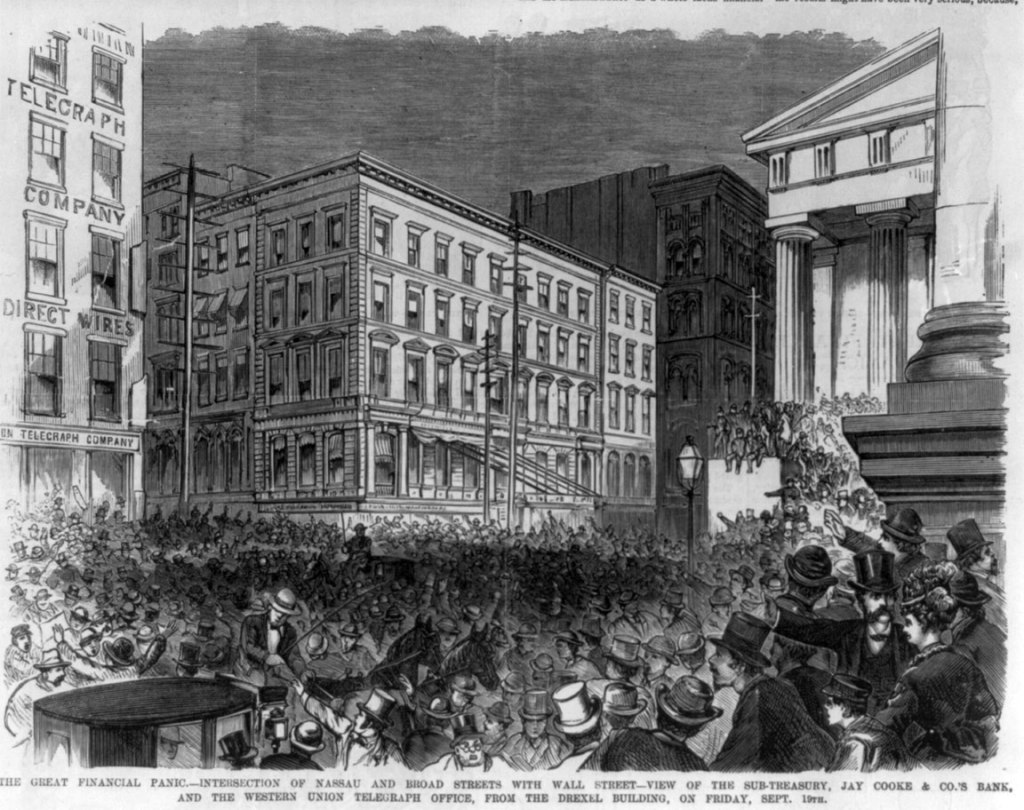
The Panic of 1873
Economic crises carry with them hugely devastating results: high rates of unemployment and bankruptcy are emblematic of the more modern ones. Often, a crisis is not precipitated by a flaw in the overall economy but instead a dangerous practice in a sector of that economy. Perhaps that sector has companies or individuals who have undertaken…
-
Constitution Sunday: Thomas B. Wait to George Thatcher
Portland, Maine, January 8, 1788 When drafting any written constitution or even any law, there is a question of whether every right should be explicitly laid out in the document. Where there are express rights in a constitution—such as the right to freedom of speech—a reader (including judges) may conclude that the list of rights…

