-
Constitution Sunday: “Publius,” The Federalist LI [James Madison]
Independent Journal (New York) February 6, 1788 “But what is government itself but the greatest of all reflections of human nature?” This rhetorical question, which James Madison posed, is one that governments throughout the world—throughout history—have answered by showing that even the best-intentioned government fails where it does not take human nature into account.
-
The Civil War: Jefferson Davis: Message to the Confederate Congress
April 29, 1861 With only a few weeks at the helm of the Confederate government, president Jefferson Davis and the Confederate Congress had cause for concern—but also cause for inspiration. The whole of the South (and the whole of the North) was animated: men and women were mobilizing; making their preparations to contribute to the…
-
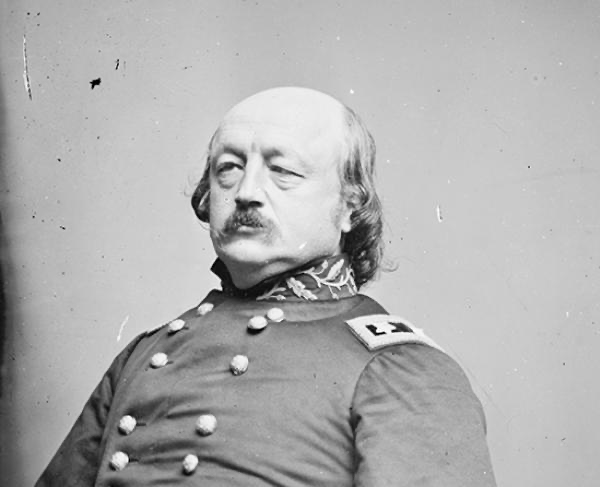
The Civil War: Benjamin F. Butler to Winfield Scott
One night in late May 1861, “three negroes”—who said they were field hands, slaves—delivered themselves to the picket line at Fort Monroe in Virginia. Fort Monroe, sat on the peninsula between the York River and James River, had at its helm Brigadier General Benjamin F. Butler. The fugitive slaves had come to the fort to…


-
The Civil War: William Howard Russell: from My Diary North and South
April 17, 1861 In the weeks and months leading up to the fall of Fort Sumter, the South had been brimming with excitement for the future. Charleston, South Carolina—with newly taken Fort Sumter in its harbor—was leading the South into that future both through its rhetoric and through its actions. Enthusiasm was abound for what…
-
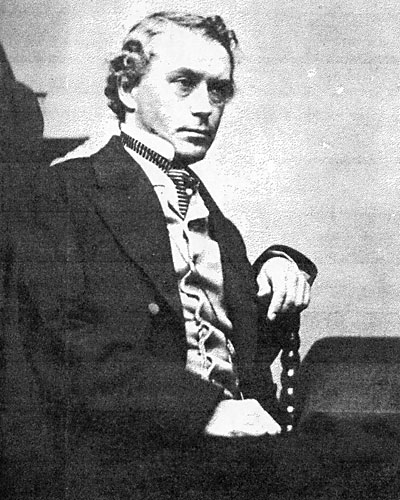
The Civil War: George Templeton Strong: Diary, April 13-16, 1861
Throughout the months leading up to the firing on Fort Sumter, there was widespread wonder about how the country would react to such a provocation; it was bound to be a cleave dividing the country and also its communities. Generations later—with the accordion of events neatly folded and the result of the war known—it would…
-

Crédit Mobilier
Americans’ trust in their government has always ebbed and flowed, and those ebbs and flows have largely depended on whether the government and its officers have acted in ways that earned the trust of its citizens or in ways that led the government to be mired in scandal—therefore sullying its reputation. Some of the largest…
-
Constitution Sunday: “The Republican” to the People
“The Republican” to the People Connecticut Courant (Hartford), January 7, 1788 Throughout the history of the United States, there have been numerous instances where its citizens questioned whether the Constitution and its amendments were sufficiently protecting the liberties of the people. Those questions have led to substantial change—such as the amendments to the Constitution and…
-

The Rise of Wage Labor
During the Gilded Age, millions of Americans saw their work lives transform: no longer would it be so common for the working man or woman to survive based on what he or she produced; rather, that worker would receive payment—from an employer or a contractor—for the time worked. That change allowed for the possibility during…
-
Constitution Sunday: Luther Martin, “The Genuine Information,” IX
Luther Martin: “The Genuine Information,” IX Maryland Gazette (Baltimore), January 29, 1788 Impeachment of a president has become a feature within the Constitution that is colored by its uses throughout history: the impeachments of Andrew Johnson, Bill Clinton, and Donald Trump and the near-impeachment of Richard Nixon. While none of the impeachment proceedings resulted in…
-
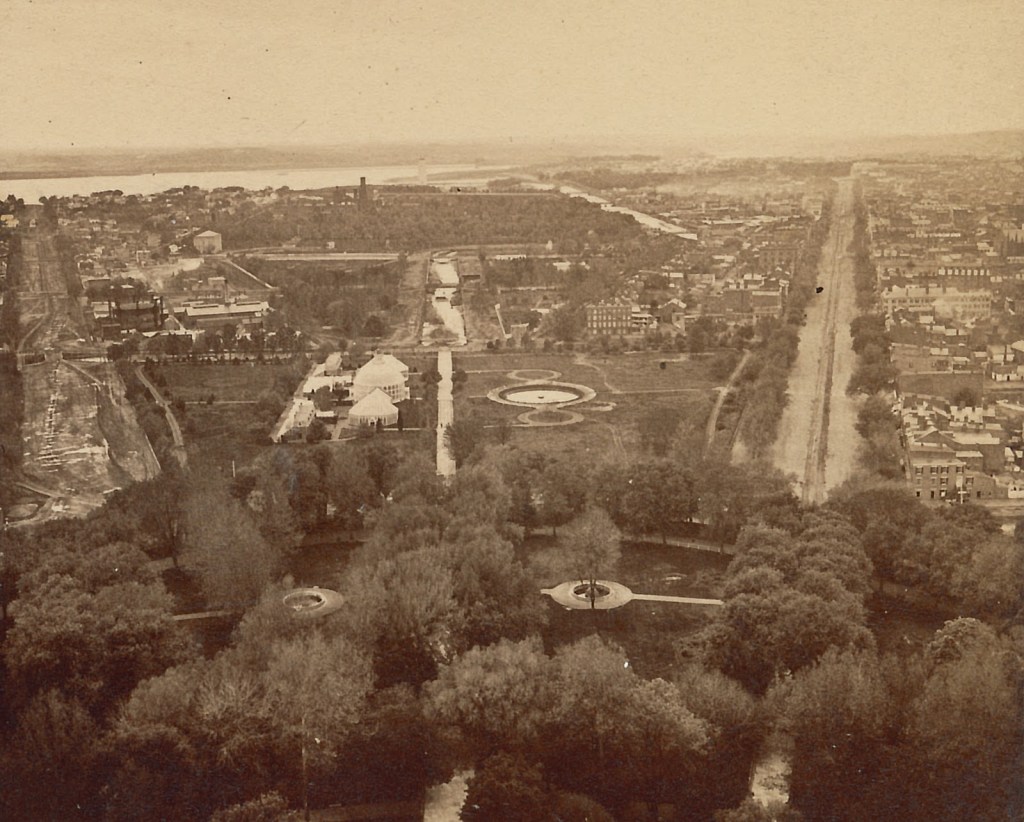
The Nineteenth Century Liberal
The two dominant American political parties of the late 1860s, the Republicans and the Democrats, are the parties that continue to dominate the political landscape into the early Twenty-First Century. Although they are the same parties in name, many of the policies they espouse—and the place on the political spectrum their supporters find themselves—have almost…
-
Constitution Sunday: Luther Martin, “The Genuine Information,” II
Luther Martin, “The Genuine Information,” II Maryland Gazette (Baltimore), January 1, 1788 Every form of government known to human history has been presented—on occasion—with the possibility of revolution or, perhaps euphemistically, a drastic reform of that government’s structure. While the causes may vary for a revolution or reform, the discontent that precedes it is universal:…

