-
Constitution Sunday: “Publius,” The Federalist LI [James Madison]
Independent Journal (New York) February 6, 1788 “But what is government itself but the greatest of all reflections of human nature?” This rhetorical question, which James Madison posed, is one that governments throughout the world—throughout history—have answered by showing that even the best-intentioned government fails where it does not take human nature into account.
-
The Civil War: Jefferson Davis: Message to the Confederate Congress
April 29, 1861 With only a few weeks at the helm of the Confederate government, president Jefferson Davis and the Confederate Congress had cause for concern—but also cause for inspiration. The whole of the South (and the whole of the North) was animated: men and women were mobilizing; making their preparations to contribute to the…
-
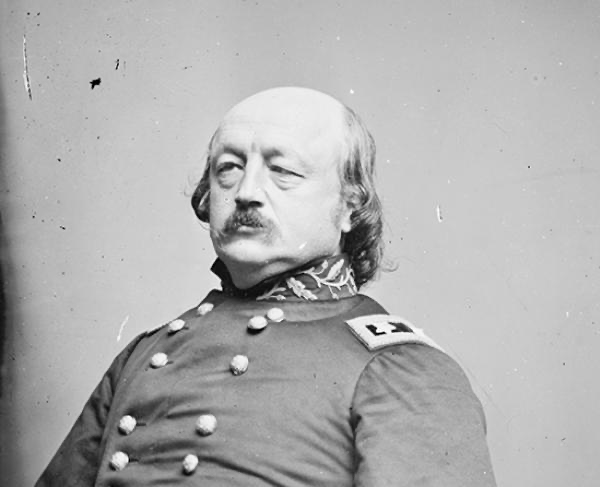
The Civil War: Benjamin F. Butler to Winfield Scott
One night in late May 1861, “three negroes”—who said they were field hands, slaves—delivered themselves to the picket line at Fort Monroe in Virginia. Fort Monroe, sat on the peninsula between the York River and James River, had at its helm Brigadier General Benjamin F. Butler. The fugitive slaves had come to the fort to…


-
The Civil War: William Howard Russell: from My Diary North and South
April 17, 1861 In the weeks and months leading up to the fall of Fort Sumter, the South had been brimming with excitement for the future. Charleston, South Carolina—with newly taken Fort Sumter in its harbor—was leading the South into that future both through its rhetoric and through its actions. Enthusiasm was abound for what…
-
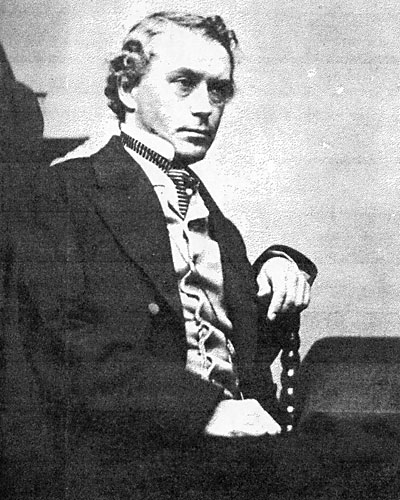
The Civil War: George Templeton Strong: Diary, April 13-16, 1861
Throughout the months leading up to the firing on Fort Sumter, there was widespread wonder about how the country would react to such a provocation; it was bound to be a cleave dividing the country and also its communities. Generations later—with the accordion of events neatly folded and the result of the war known—it would…
-

The Election of 1868
In 1864, as the election neared, President Abraham Lincoln, a Republican, wagered that his re-election prospects depended on having a unity ticket: rather than choose a fellow Republican for the nomination for Vice President, he opted for a War Democrat and southerner, Andrew Johnson. With Johnson being from the South, condemning the Confederacy, and supporting…
-
Constitution Sunday: A Cumberland County Mutual Improvement Society Addresses the Pennsylvania Minority
A Cumberland County Mutual Improvement Society Addresses the Pennsylvania Minority Carlisle Gazette, (Pennsylvania), January 2, 1788 One of the most frequent dooming political predictions that Americans—of any political persuasion—tend to make is that the end of the Republic, and therefore the end of liberty, has come. This prediction even goes back to the debate of…
-
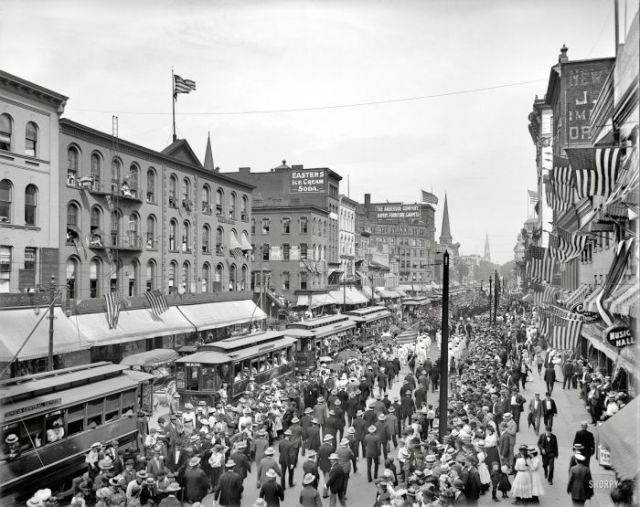
America in 1870
Although America, by 1870, was still not one hundred years into its life as a country, it had the blessings and curses of an industrialized nation—some inherited from the British but others uniquely American.[i] Among the blessings was widespread prosperity: the United States then had “74 percent of British and 128 percent of German per-capita…
-
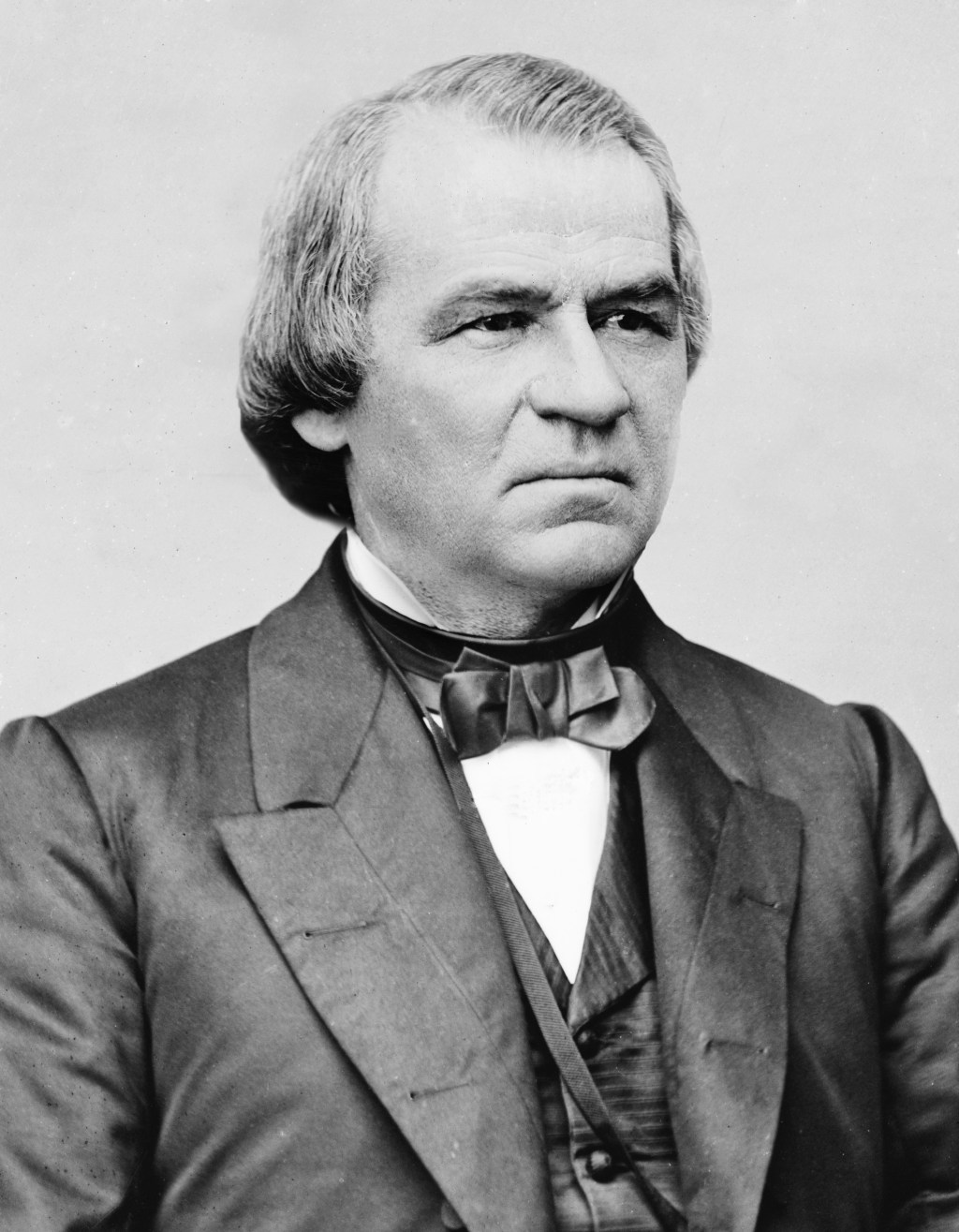
A Nation Reborn
In the same way that the Second World War would reshape the globe in the Twentieth Century, the Civil War reshaped America for the remainder of the Nineteenth Century. Veterans of both wars came to define their respective generations and rise to positions of power: just as Union General Ulysses S. Grant’s meteoric rise culminated…
-
Constitution Sunday: “Publius,” The Federalist XXII
“Publius,” The Federalist XXII [Alexander Hamilton] New-York Packet, December 14, 1787 A well-functioning democracy must be capable of recognizing and dealing with the friction that occurs between the minority and the majority on any given issue. As Alexander Hamilton wrote, in the Federalist XXII, the difference between a vote requiring a simple majority versus a…
-

The Second Father
In February 1861, Abraham Lincoln traveled to the Western Railroad Depot carrying his trunk tied with a rope and with the inscription, “A. Lincoln, White House, Washington, D.C.” Friends and family prepared him for the train ride from Illinois to Washington which would take twelve days and bring the President-elect into contact with tens of…

