-
Constitution Sunday: “Publius,” The Federalist LI [James Madison]
Independent Journal (New York) February 6, 1788 “But what is government itself but the greatest of all reflections of human nature?” This rhetorical question, which James Madison posed, is one that governments throughout the world—throughout history—have answered by showing that even the best-intentioned government fails where it does not take human nature into account.
-
The Civil War: Jefferson Davis: Message to the Confederate Congress
April 29, 1861 With only a few weeks at the helm of the Confederate government, president Jefferson Davis and the Confederate Congress had cause for concern—but also cause for inspiration. The whole of the South (and the whole of the North) was animated: men and women were mobilizing; making their preparations to contribute to the…
-
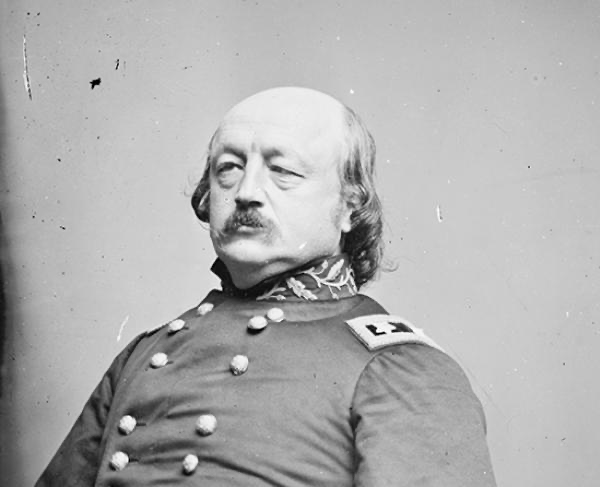
The Civil War: Benjamin F. Butler to Winfield Scott
One night in late May 1861, “three negroes”—who said they were field hands, slaves—delivered themselves to the picket line at Fort Monroe in Virginia. Fort Monroe, sat on the peninsula between the York River and James River, had at its helm Brigadier General Benjamin F. Butler. The fugitive slaves had come to the fort to…


-
The Civil War: William Howard Russell: from My Diary North and South
April 17, 1861 In the weeks and months leading up to the fall of Fort Sumter, the South had been brimming with excitement for the future. Charleston, South Carolina—with newly taken Fort Sumter in its harbor—was leading the South into that future both through its rhetoric and through its actions. Enthusiasm was abound for what…
-
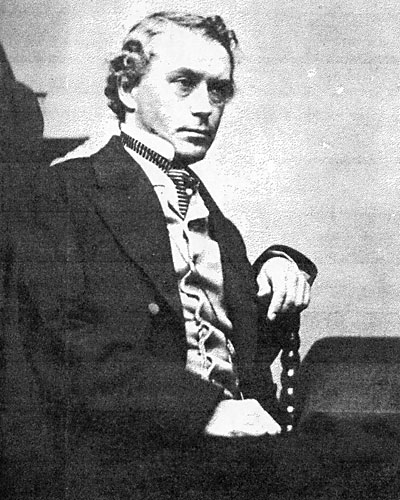
The Civil War: George Templeton Strong: Diary, April 13-16, 1861
Throughout the months leading up to the firing on Fort Sumter, there was widespread wonder about how the country would react to such a provocation; it was bound to be a cleave dividing the country and also its communities. Generations later—with the accordion of events neatly folded and the result of the war known—it would…
-
Constitution Sunday: “Americanus” V
“Americanus” V [John Stevens, Jr.] Daily Advertiser (New York, December 12, 1787 The structure of the American government, with its division into three branches and its layered arrangement from top (federal) to middle (state) to bottom (local), made it an exception in 1787 from what had been previously known. Even with the Constitution’s framework appearing…
-
Constitution Sunday: “Publius,” The Federalist XVI
“Publius,” The Federalist XVI [Alexander Hamilton] New-York Packet, December 4, 1787 When any union or confederacy of states or provinces decide to form a nation, it does so with its citizens knowing that members may “alarm the apprehensions, inflame the passions, and conciliate the good will even” in those states that were not “chargeable with…
-

Appomattox
Conceptualizing the Civil War’s end, even during the opening months of 1865, was nearly impossible: who could imagine Confederate General Robert E. Lee surrendering himself and his men to the custody of the Union army? How many members of the Confederate government would be taken prisoner and be tried for treason and any number of…
-
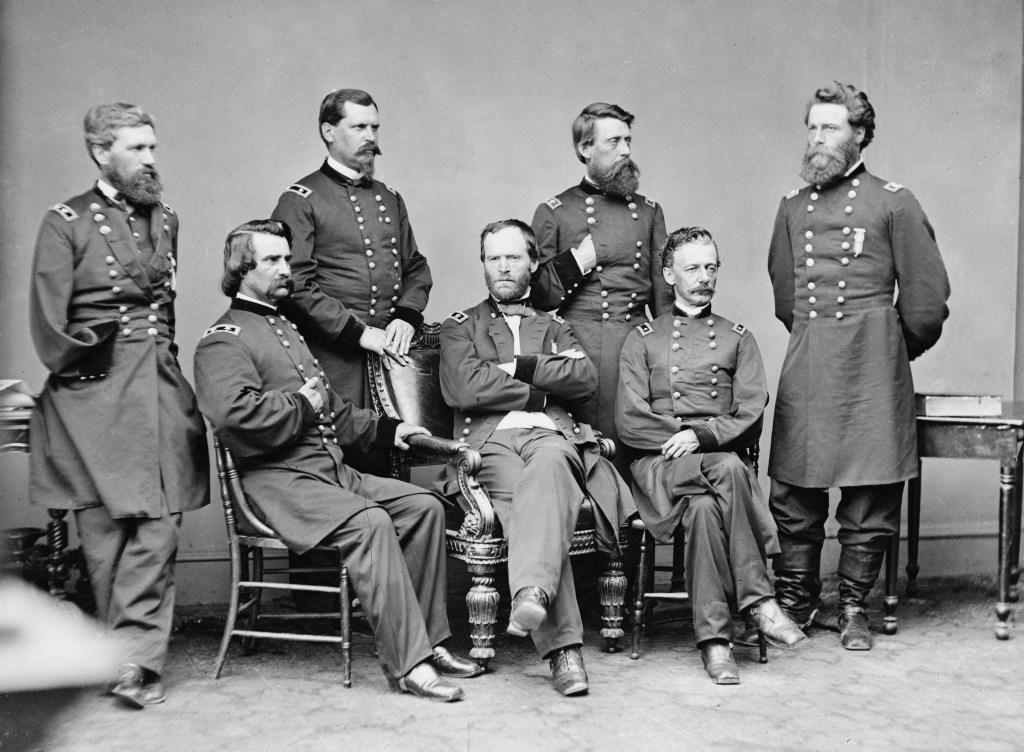
Tightening the Cordon
By the end of 1864—with Union General William Tecumseh Sherman having cut his way through Georgia, Union General Ulysses S. Grant having confined Confederate General Robert E. Lee to a defensive position in Virginia, and President Abraham Lincoln having won his bid for re-election—the Confederacy was desperate for any sign of encouragement. While the rhetoric…
-
Constitution Sunday: “Publius,” The Federalist XIV
“Publius,” The Federalist XIV [James Madison] New-York Packet, November 30, 1787 With the draft Constitution having been published for consideration by the residents of each state in 1787 came questions about whether and how the federal government would effectuate its responsibilities given the vast land that the states and territories had already comprised—which James Madison…
-

Andersonville Prison
Throughout the Civil War, there was no shortage of suffering on the battlefield, but even the newest soldier knew that being taken prisoner was likely to lead to more suffering. While a Confederate prisoner may have reasonably expected that he could obtain improved rations in a northern prison—particularly as the war progressed and rebel supplies…

