-
Constitution Sunday: “Publius,” The Federalist LI [James Madison]
Independent Journal (New York) February 6, 1788 “But what is government itself but the greatest of all reflections of human nature?” This rhetorical question, which James Madison posed, is one that governments throughout the world—throughout history—have answered by showing that even the best-intentioned government fails where it does not take human nature into account.
-
The Civil War: Jefferson Davis: Message to the Confederate Congress
April 29, 1861 With only a few weeks at the helm of the Confederate government, president Jefferson Davis and the Confederate Congress had cause for concern—but also cause for inspiration. The whole of the South (and the whole of the North) was animated: men and women were mobilizing; making their preparations to contribute to the…
-
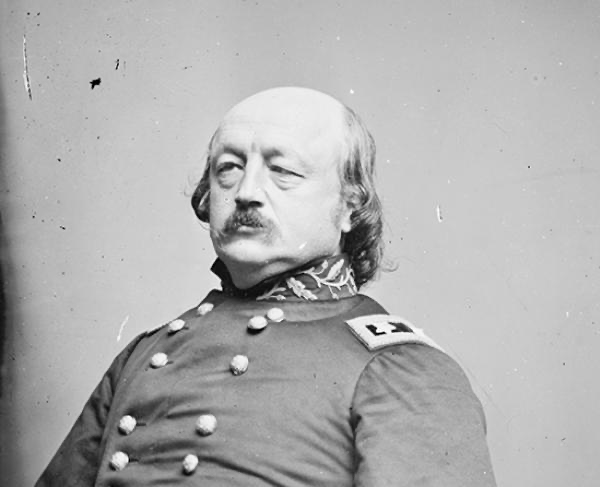
The Civil War: Benjamin F. Butler to Winfield Scott
One night in late May 1861, “three negroes”—who said they were field hands, slaves—delivered themselves to the picket line at Fort Monroe in Virginia. Fort Monroe, sat on the peninsula between the York River and James River, had at its helm Brigadier General Benjamin F. Butler. The fugitive slaves had come to the fort to…


-
The Civil War: William Howard Russell: from My Diary North and South
April 17, 1861 In the weeks and months leading up to the fall of Fort Sumter, the South had been brimming with excitement for the future. Charleston, South Carolina—with newly taken Fort Sumter in its harbor—was leading the South into that future both through its rhetoric and through its actions. Enthusiasm was abound for what…
-
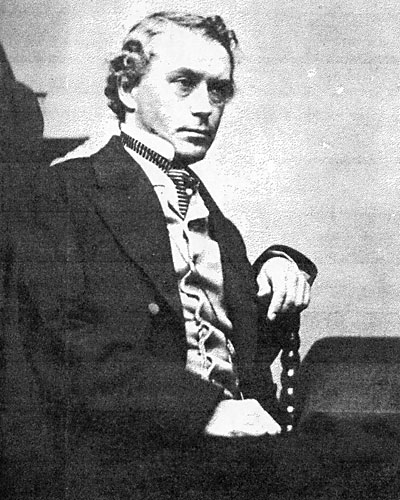
The Civil War: George Templeton Strong: Diary, April 13-16, 1861
Throughout the months leading up to the firing on Fort Sumter, there was widespread wonder about how the country would react to such a provocation; it was bound to be a cleave dividing the country and also its communities. Generations later—with the accordion of events neatly folded and the result of the war known—it would…
-

The March to the Sea
Throughout the Civil War, soldiers and citizens alike could view the events unfolding before them and question whether there was a better alternative than to prosecute the war to its bitter end. What had started as a spectator’s war—with men and women gathering near the battlefields to picnic and take in the action—had morphed, by…
-
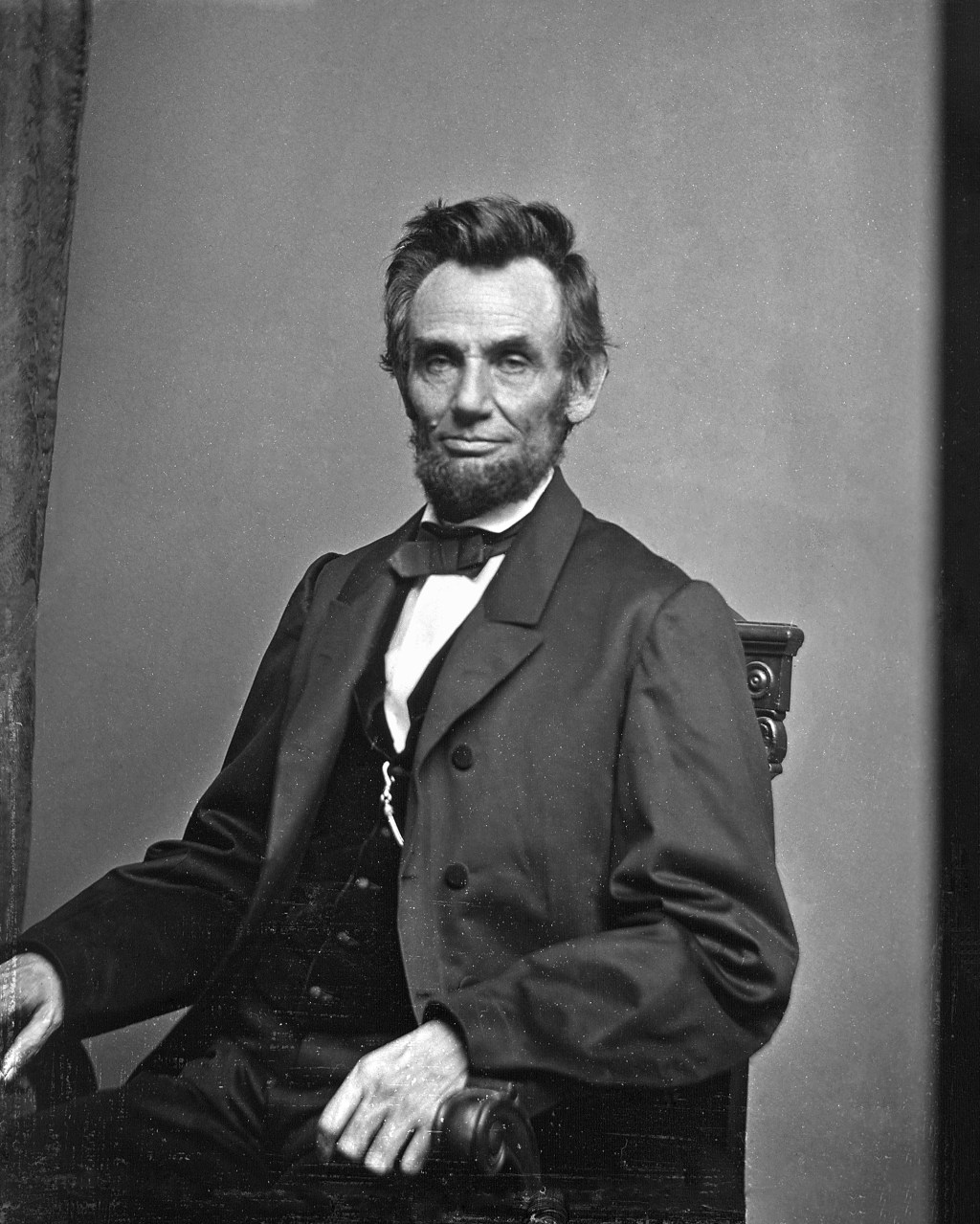
The Election of 1864
The summer of 1864 was one of dismay for President Abraham Lincoln and his administration: throughout the Union, the appetite for war had rapidly shrunk; particularly as compared to the heady days of 1860 that ushered Lincoln into the White House. While some voters in the North saw the continued prosecution of the war as…
-

The Taking of Atlanta
According to Confederate President Jefferson Davis, the fall of Atlanta into Union hands would “open the way for the Federal Army to the Gulf on the one hand, and to Charleston on the other, and close up those rich granaries from which Lee’s armies are supplied. It would give them control of our network of…
-

The Battle of the Crater
Although the Battle of Petersburg had ended with the Confederates retaining control of the city, the Union had started its siege; a strategy that had been effective at Vicksburg but required months to succeed. Prolonged trench warfare was virtually certain, and, despite federal efforts to disrupt Confederate General Robert E. Lee’s supply lines, many of…
-
The Atlanta Campaign
After over four years of fighting, the North and the South had become increasingly fatigued with the war and anxious for its resolution. Throughout the Confederacy, hope was growing that the Union, rather than continue to tighten its grip at the expense of casualties on both sides, would agree to a negotiated peace. Standing in…
-

The Battle of Petersburg
Consistent with every other battle in Ulysses S. Grant’s career that left him with a discouraging result, he had drawn up a plan to avenge the disaster at Cold Harbor and put the Confederates on their heels.

