-
Constitution Sunday: “Publius,” The Federalist LI [James Madison]
Independent Journal (New York) February 6, 1788 “But what is government itself but the greatest of all reflections of human nature?” This rhetorical question, which James Madison posed, is one that governments throughout the world—throughout history—have answered by showing that even the best-intentioned government fails where it does not take human nature into account.
-
The Civil War: Jefferson Davis: Message to the Confederate Congress
April 29, 1861 With only a few weeks at the helm of the Confederate government, president Jefferson Davis and the Confederate Congress had cause for concern—but also cause for inspiration. The whole of the South (and the whole of the North) was animated: men and women were mobilizing; making their preparations to contribute to the…
-
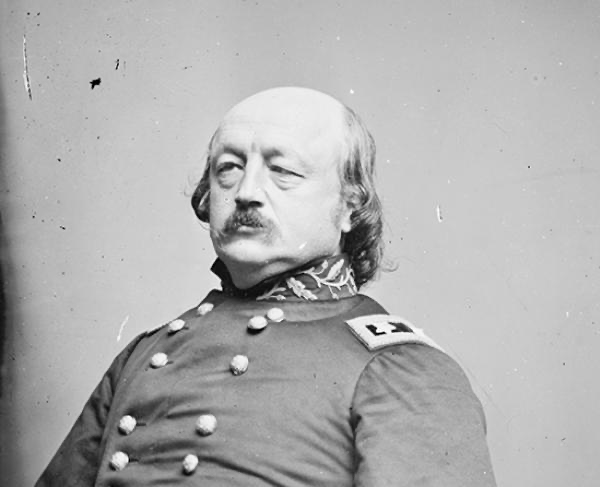
The Civil War: Benjamin F. Butler to Winfield Scott
One night in late May 1861, “three negroes”—who said they were field hands, slaves—delivered themselves to the picket line at Fort Monroe in Virginia. Fort Monroe, sat on the peninsula between the York River and James River, had at its helm Brigadier General Benjamin F. Butler. The fugitive slaves had come to the fort to…


-
The Civil War: William Howard Russell: from My Diary North and South
April 17, 1861 In the weeks and months leading up to the fall of Fort Sumter, the South had been brimming with excitement for the future. Charleston, South Carolina—with newly taken Fort Sumter in its harbor—was leading the South into that future both through its rhetoric and through its actions. Enthusiasm was abound for what…
-
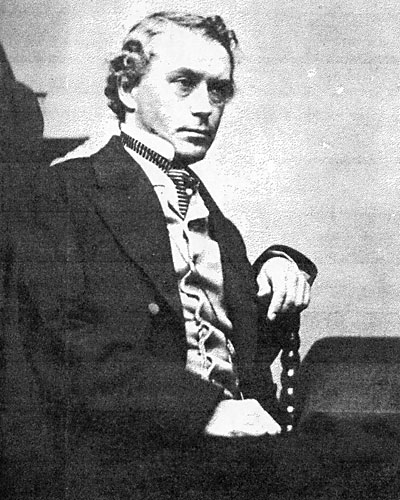
The Civil War: George Templeton Strong: Diary, April 13-16, 1861
Throughout the months leading up to the firing on Fort Sumter, there was widespread wonder about how the country would react to such a provocation; it was bound to be a cleave dividing the country and also its communities. Generations later—with the accordion of events neatly folded and the result of the war known—it would…
-

The Outbreak of the Civil War
Within a matter of weeks of Abraham Lincoln’s presidency beginning, the gravest crisis of perhaps any president confronted him and the nation: civil war.
-
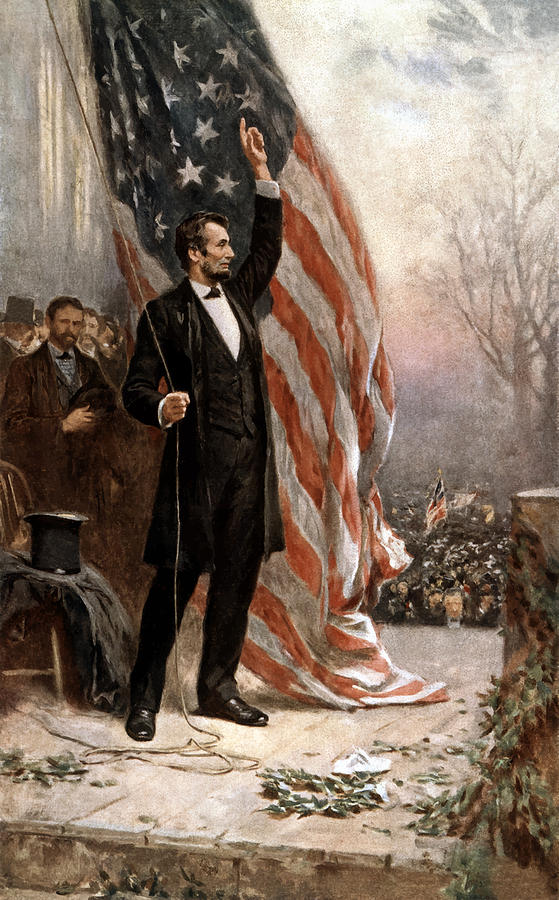
The Inauguration of Abraham Lincoln
From the time of the Election of 1860 to the beginning of Abraham Lincoln’s presidency, there was uncertainty as to how Lincoln and his administration would handle the growing Confederacy and existential crisis facing the country.
-
The Civil War: An Introduction
Few events in American history rival the magnitude and luridness of the Civil War, with its seemingly innumerable tales of sacrifice and Shakespearean drama. Each generation, from the War’s conclusion in 1865 to present, has taken up the task of dissecting and analyzing its causes and effects to discern its many lessons and to engage…
-
The North’s Attempt at Salvation
The Deep South’s animating of a Second American Revolution, by seceding from the Union and laying the foundation for an operational Confederate government, forced the North to either suppress the South’s uprising or craft a resolution. The likelihood of war would deter any widespread northern suppression, leaving the question: What compromise could the North propose that appeased…
-
The Secession of the Deep South
In the wake of the disconcerting result of the Election of 1860, the nature of southern secessionism suggested the imminent secession of at least some southern states from the Union. The timing and execution of states actually seceding from the Union was unclear, but the Deep South was prepared to act first.
-
Constitution Sunday: Answers to Mason’s “Objections”: “Marcus” [James Iredell] IV
Answers to Mason’s “Objections”: “Marcus” [James Iredell] IV Norfolk and Portsmouth Journal (Virginia), March 12, 1788 Following are excerpts from James Iredell’s responses to George Mason’s “Objections” to the Constitution: “VIIIth. Objection. ‘Under their own construction of the general clause at the end of the enumerated powers, the Congress may grant monopolies in trade and…

