-
Constitution Sunday: “Publius,” The Federalist LI [James Madison]
Independent Journal (New York) February 6, 1788 “But what is government itself but the greatest of all reflections of human nature?” This rhetorical question, which James Madison posed, is one that governments throughout the world—throughout history—have answered by showing that even the best-intentioned government fails where it does not take human nature into account.
-
The Civil War: Jefferson Davis: Message to the Confederate Congress
April 29, 1861 With only a few weeks at the helm of the Confederate government, president Jefferson Davis and the Confederate Congress had cause for concern—but also cause for inspiration. The whole of the South (and the whole of the North) was animated: men and women were mobilizing; making their preparations to contribute to the…
-
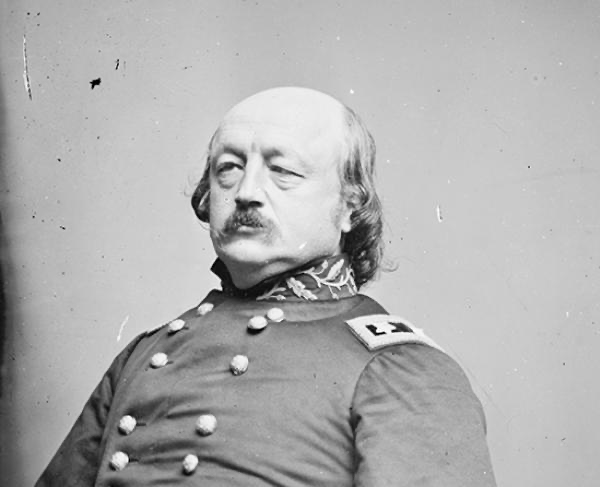
The Civil War: Benjamin F. Butler to Winfield Scott
One night in late May 1861, “three negroes”—who said they were field hands, slaves—delivered themselves to the picket line at Fort Monroe in Virginia. Fort Monroe, sat on the peninsula between the York River and James River, had at its helm Brigadier General Benjamin F. Butler. The fugitive slaves had come to the fort to…


-
The Civil War: William Howard Russell: from My Diary North and South
April 17, 1861 In the weeks and months leading up to the fall of Fort Sumter, the South had been brimming with excitement for the future. Charleston, South Carolina—with newly taken Fort Sumter in its harbor—was leading the South into that future both through its rhetoric and through its actions. Enthusiasm was abound for what…
-
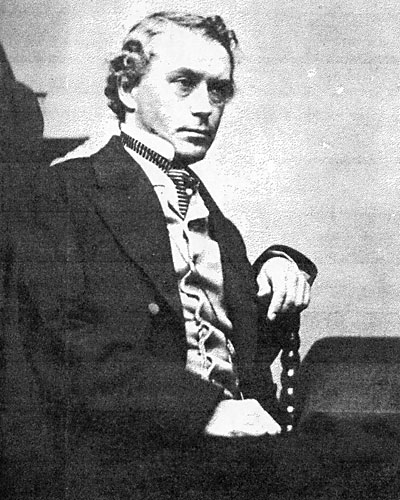
The Civil War: George Templeton Strong: Diary, April 13-16, 1861
Throughout the months leading up to the firing on Fort Sumter, there was widespread wonder about how the country would react to such a provocation; it was bound to be a cleave dividing the country and also its communities. Generations later—with the accordion of events neatly folded and the result of the war known—it would…
-
Constitution Sunday: “Brutus” XI
New York Journal January 31, 1788 The Constitution’s creation of the Supreme Court raised many questions about how such a court would operate. But an anonymous author, Brutus, laid out what was likely to come from the Court, and this author described—much of it with remarkable precision—what would indeed happen to the Court in the…
-

The Civil War: George Templeton Strong: Diary, November 20-December 1, 1860
November 20, 1860 to December 1, 1860 New York City State laws often have an outsized influence on discussions of national politics. This is despite the fact that one state’s laws have no binding effect in other states; then, add to that the fact that some states will pass laws with little intent or resources…
-
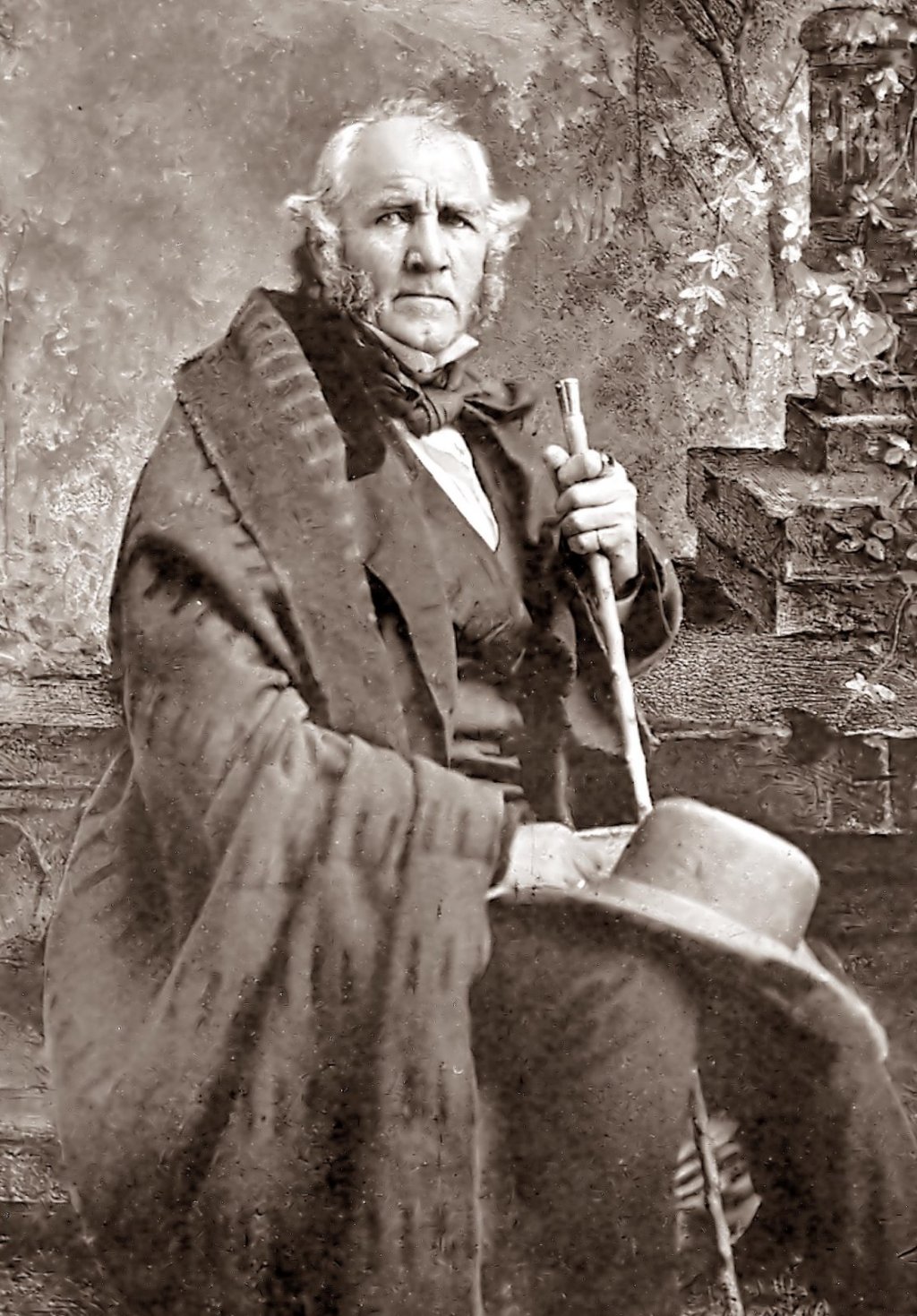
The Civil War: Sam Houston to H.M. Watkins and Others
Sam Houston to H.M. Watkins and Others November 20, 1860 Politicians who have become household names have an ability to sway public opinion—and they know it. They can use their precious political capital to that end. But it’s a risky proposition. If they see odds they like and place their bets only to lose, they…
-
Constitution Sunday: David Ramsay to Benjamin Lincoln
Charleston, South Carolina January 29, 1788 A letter from a South Carolinian to a Massachusettsan—and from a budding historian to a Revolutionary War hero—captured the spirit of the moment as South Carolina was preparing to assemble its convention to consider the Constitution. David Ramsay, who would soon publish a two-volume book about the American Revolution,…
-
Constitution Sunday: “Publius,” The Federalist XLVI [James Madison]
New-York Packet January 29, 1788 James Madison, who would later become the fourth President of the United States, sought to quell fears of an overreaching and overly powerful federal government. The Constitution’s opponents had shared their fears—fears that Madison called “chimerical”—of a federal government that took power from the states and dominated the country’s governing.…
-
The Civil War: New York Daily News: The Right of States to Secede
November 16, 1860 With the idea of secession permeating the public discourse, there were questions of whether states even had the right to secede. These questions were not confined to academics and lawyers; even the newspapers of New York City explored these questions—one of which, the New York Daily News, was a conservative newspaper that…

