-
Constitution Sunday: “Publius,” The Federalist LI [James Madison]
Independent Journal (New York) February 6, 1788 “But what is government itself but the greatest of all reflections of human nature?” This rhetorical question, which James Madison posed, is one that governments throughout the world—throughout history—have answered by showing that even the best-intentioned government fails where it does not take human nature into account.
-
The Civil War: Jefferson Davis: Message to the Confederate Congress
April 29, 1861 With only a few weeks at the helm of the Confederate government, president Jefferson Davis and the Confederate Congress had cause for concern—but also cause for inspiration. The whole of the South (and the whole of the North) was animated: men and women were mobilizing; making their preparations to contribute to the…
-
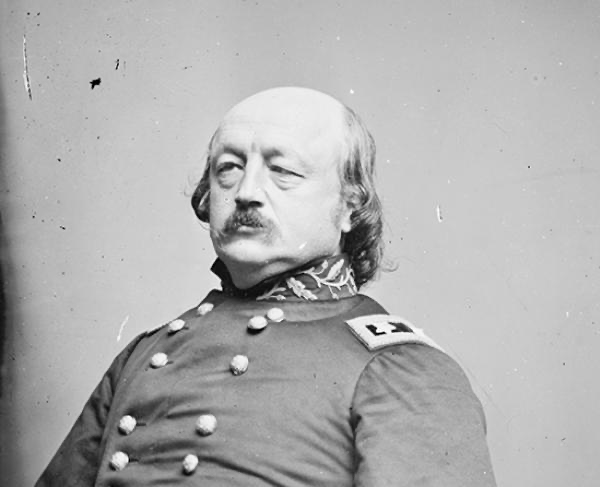
The Civil War: Benjamin F. Butler to Winfield Scott
One night in late May 1861, “three negroes”—who said they were field hands, slaves—delivered themselves to the picket line at Fort Monroe in Virginia. Fort Monroe, sat on the peninsula between the York River and James River, had at its helm Brigadier General Benjamin F. Butler. The fugitive slaves had come to the fort to…


-
The Civil War: William Howard Russell: from My Diary North and South
April 17, 1861 In the weeks and months leading up to the fall of Fort Sumter, the South had been brimming with excitement for the future. Charleston, South Carolina—with newly taken Fort Sumter in its harbor—was leading the South into that future both through its rhetoric and through its actions. Enthusiasm was abound for what…
-
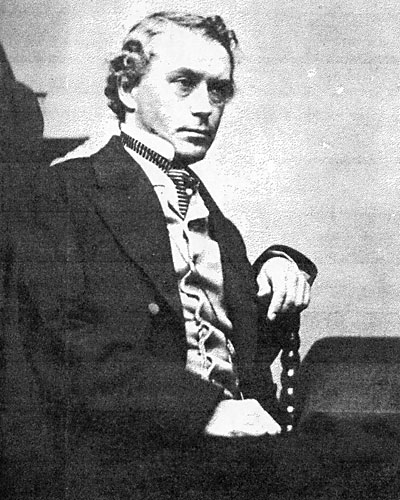
The Civil War: George Templeton Strong: Diary, April 13-16, 1861
Throughout the months leading up to the firing on Fort Sumter, there was widespread wonder about how the country would react to such a provocation; it was bound to be a cleave dividing the country and also its communities. Generations later—with the accordion of events neatly folded and the result of the war known—it would…
-
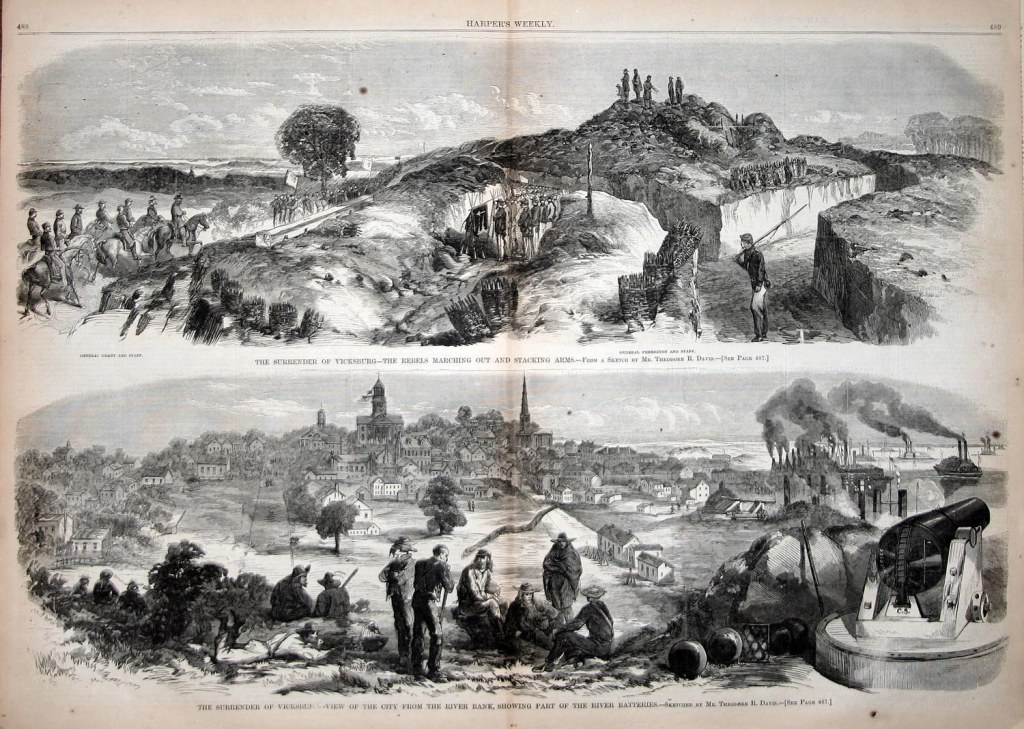
The Siege of Vicksburg
In the western theater of war, Ulysses S. Grant had set his sights on a goal early in his campaigning: Vicksburg, a town hugging the Mississippi River on the border of Louisiana and Mississippi. Taking the city would not only secure the Mississippi River; taking it would give the Union a lasso around the Confederacy.…
-
The Battle of Chancellorsville
Joseph Hooker, at the head of the Army of the Potomac, was filled with confidence that he would not suffer the same fate as previous Union commanders facing Confederate General Robert E. Lee. While General Ambrose Burnside and General George McClellan earned their soldiers’ admiration with their leadership, they respectively fell at Fredericksburg and during…
-
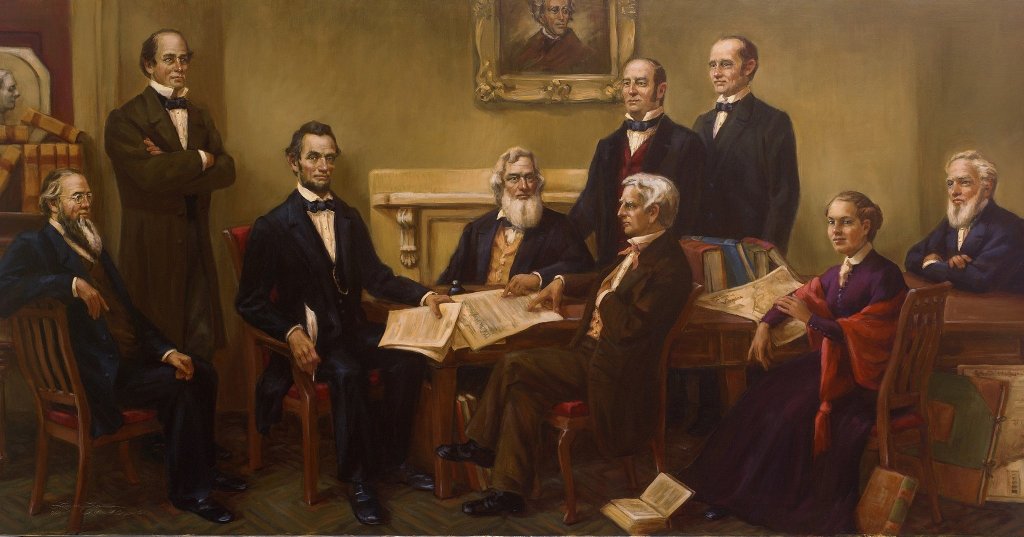
The Emancipation Proclamation
American history is replete with instances of the public pressuring a president to take action on an issue. On far fewer occasions, presidents, through speaking to voters, calling for congressional action, or issuing executive orders, have risked political capital to lead the public to advance on a prominent issue. In the middle of 1862, President…
-
Constitution Sunday: “The Republican” to the People
“The Republican” to the People Connecticut Courant (Hartford), January 7, 1788 The liberties that Americans hold dear are not inherently self-sustaining. While the Constitution secures many liberties, it requires Americans to be vigilant in fulfilling their civic duties. This week’s Constitution Sunday highlights the Connecticut Courant, which explored these issues amidst the debate about ratifying the Constitution:
-
The Battle of Fredericksburg
Throughout 1862, the Union embraced a defensive, passive approach to prosecuting the Civil War—shying away from incisive troop movements and relentless pursuits even after battles that left Confederates fatigued and fleeing—while the Confederacy had most recently displayed its more aggressive strategy by its attack near the Antietam Creek in Maryland. At the helm of the…
-
The Battle of Antietam
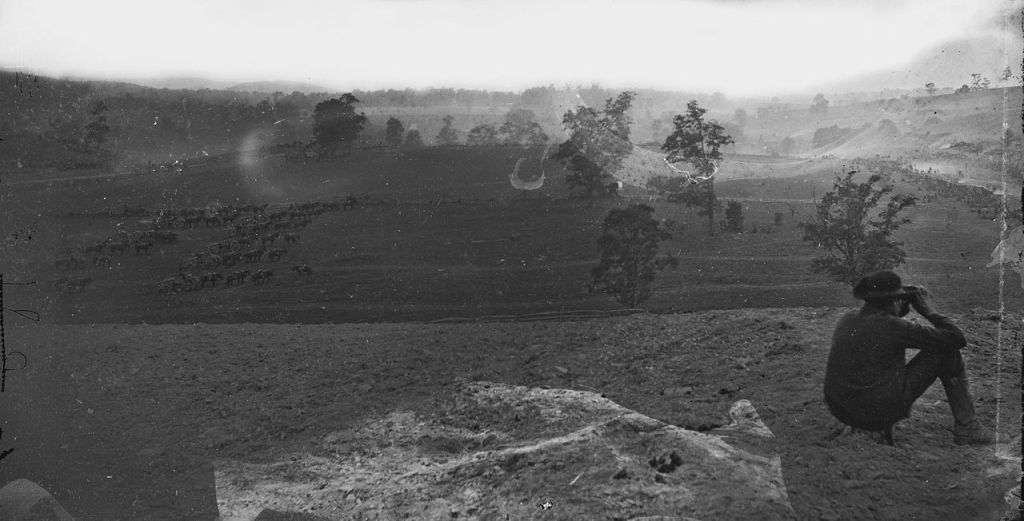
Years before the Civil War started, Harpers Ferry, Virginia was the site of a federal armory that abolitionist John Brown raided with the hope of starting a revolution, causing distress throughout the Union that a revolution was in the making. In September 1862, Harpers Ferry became a thorn in the Union side yet again as…

