-
Constitution Sunday: “Publius,” The Federalist LI [James Madison]
Independent Journal (New York) February 6, 1788 “But what is government itself but the greatest of all reflections of human nature?” This rhetorical question, which James Madison posed, is one that governments throughout the world—throughout history—have answered by showing that even the best-intentioned government fails where it does not take human nature into account.
-
The Civil War: Jefferson Davis: Message to the Confederate Congress
April 29, 1861 With only a few weeks at the helm of the Confederate government, president Jefferson Davis and the Confederate Congress had cause for concern—but also cause for inspiration. The whole of the South (and the whole of the North) was animated: men and women were mobilizing; making their preparations to contribute to the…
-
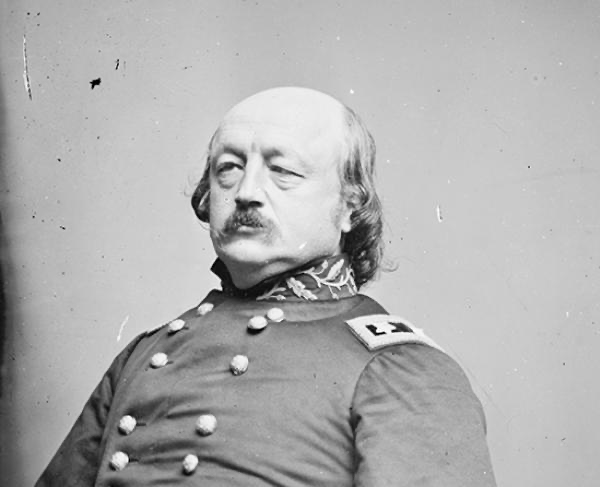
The Civil War: Benjamin F. Butler to Winfield Scott
One night in late May 1861, “three negroes”—who said they were field hands, slaves—delivered themselves to the picket line at Fort Monroe in Virginia. Fort Monroe, sat on the peninsula between the York River and James River, had at its helm Brigadier General Benjamin F. Butler. The fugitive slaves had come to the fort to…


-
The Civil War: William Howard Russell: from My Diary North and South
April 17, 1861 In the weeks and months leading up to the fall of Fort Sumter, the South had been brimming with excitement for the future. Charleston, South Carolina—with newly taken Fort Sumter in its harbor—was leading the South into that future both through its rhetoric and through its actions. Enthusiasm was abound for what…
-
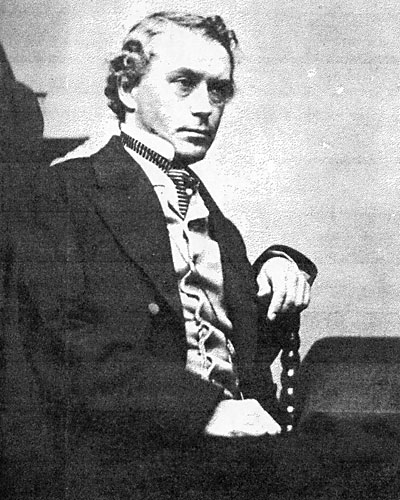
The Civil War: George Templeton Strong: Diary, April 13-16, 1861
Throughout the months leading up to the firing on Fort Sumter, there was widespread wonder about how the country would react to such a provocation; it was bound to be a cleave dividing the country and also its communities. Generations later—with the accordion of events neatly folded and the result of the war known—it would…
-
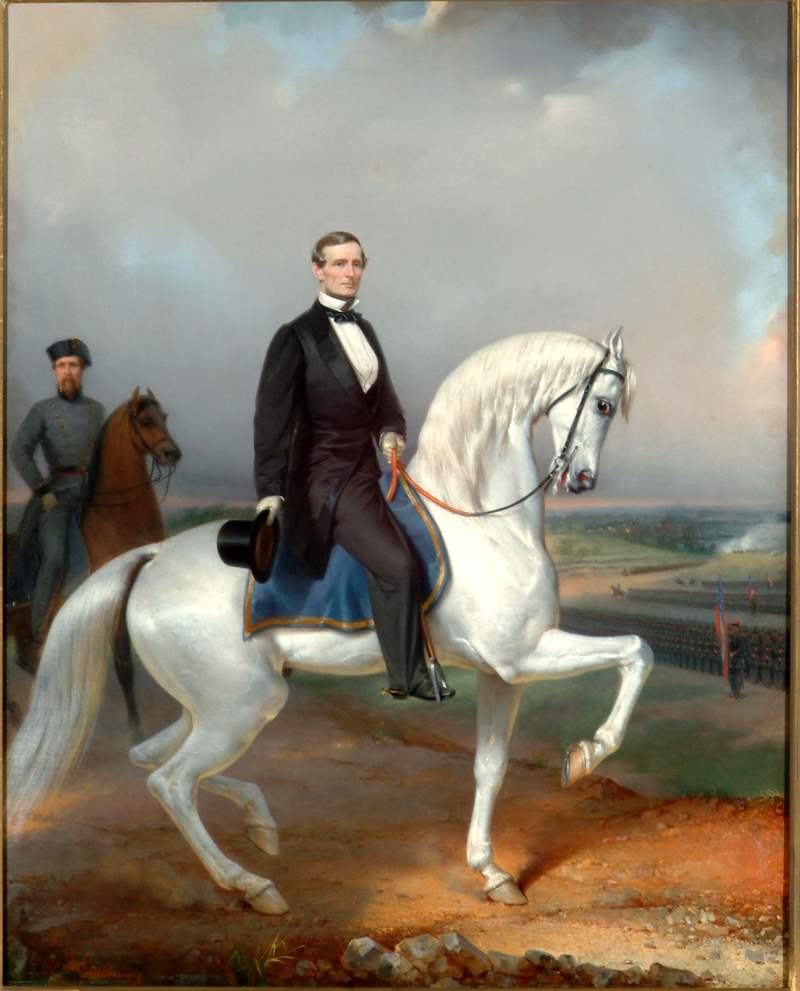
The Second Inauguration of Jefferson Davis
Confederate President Jefferson Davis, on the 130th anniversary of George Washington’s birthdate, was due to be inaugurated for a second time. Davis ran unopposed in the first (and only) presidential election in the Confederate States of America and was set to begin his six-year term on February 22, 1862. His daily responsibilities as president left…
-
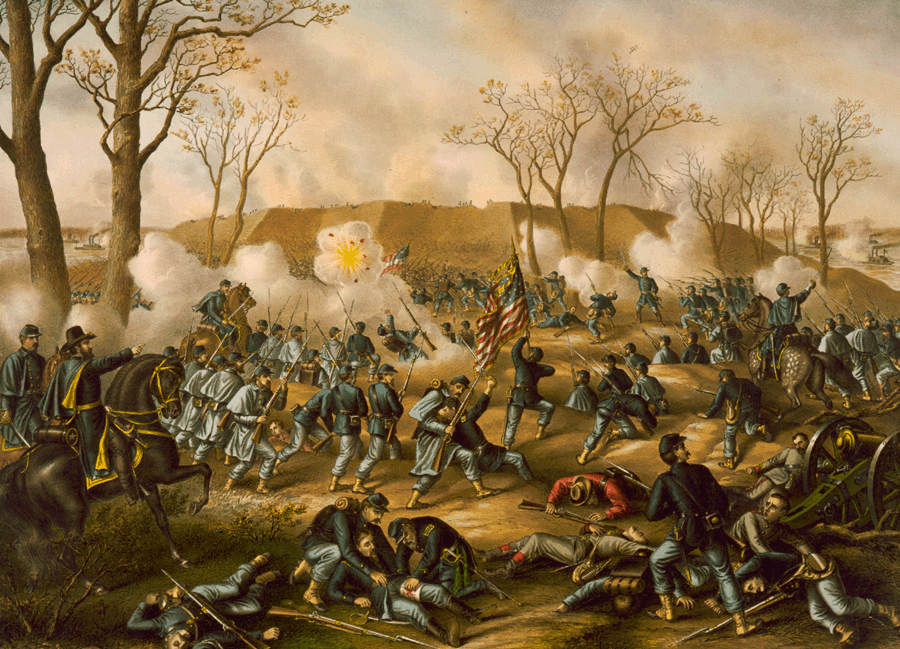
The Battle of Fort Donelson
Sited on the banks of the Cumberland River and only a matter of miles from Fort Henry, Fort Donelson was slated for Union assault even before General Ulysses S. Grant’s taking of Fort Henry. The close proximity between the two forts ensured that the Confederates would not be taken by surprise when Grant went onto…
-
Grant’s Taking of Fort Henry
In early 1862, heartened by his troops’ performance at the Battle of Belmont, Brigadier General Ulysses S. Grant had determined that he was capable of making inroads into the Confederacy. Securing the network of rivers feeding into the Mississippi River as well as the Mississippi itself would hinder the Confederacy’s mobility and economy, and accomplishing…
-

The Battle of Belmont
When fighting erupted between Confederate and Union forces in Mississippi County, Missouri, few could have expected that one man, a newly-promoted Brigadier General, would emerge from obscurity and tragedy and begin his upward trajectory to the heights of American myth and legend. Nonetheless, at the end of the Battle of Belmont, that man—Ulysses S. Grant—had…
-

The Anaconda Plan
Although George McClellan succeeded Winfield Scott as general in chief of the Union army in late 1861, Scott had already set a plan in motion that would, in one form or another, last the duration of the war. It was a plan that would be a factor in constricting the Confederate economy, choking the Confederacy…
-

The Battle of Ball’s Bluff
By the end of 1861, the Union changed its commander but also suffered its third major defeat; this one northwest of Washington at Ball’s Bluff on the banks of the Potomac River.

